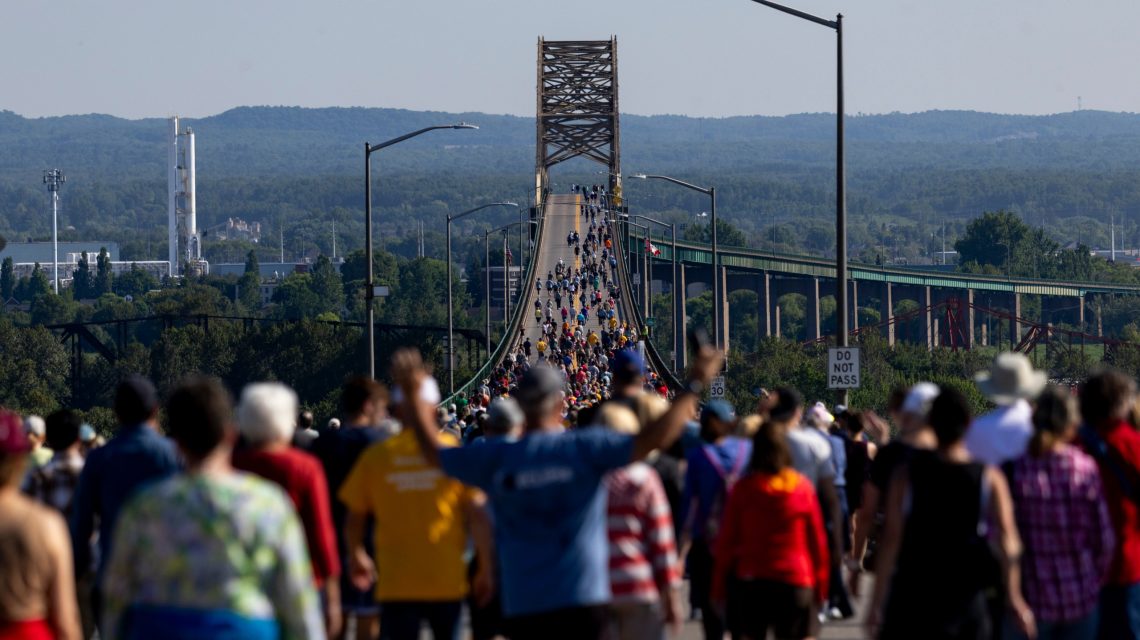
On the northeast edge of Michigan’s Upper Peninsula, around 1,100 people participated in the International Bridge Walk in late June. This event takes place on the long span connecting Sault Ste. Marie, Michigan, with Sault Ste. Marie, Ontario. The mood was positive. ‘We don’t like to say there’s a border there, because we’re twin cities. We’re one family, the countries of Canada and the United States,’ said Don Gerrie, mayor of the Michigan Sault. He wore a black cap from his Ontario counterpart, featuring both nations’ flags with ‘Stronger Together’ and ‘Allies and Friends.’
Participants included Canadians in patriotic attire with maple leaves on their clothing and Americans with star-spangled shirts commemorating the nation’s 250th birthday. Despite this camaraderie, increased tensions with the U.S. have affected travel over the bridge. Traffic is down significantly. Recently, President Trump imposed new tariffs on Canadian products amid tensions over wildfire smoke crossing the border. This led to a 50% tariff on various Canadian goods, citing unfair treatment of American products, followed by an additional 10% tariff.
A new publicly owned bridge, the Gordie Howe, opened between Detroit and Windsor, Ontario, but without the presence of President Trump at its opening ceremony. At the Sault bridge event, the local congressional representative was absent. During Trump’s first term, Rep. Jack Bergman praised relations with Canada and the bridge as a significant connector. However, he has remained mostly silent on the new tariffs and their impact on local areas.
There were 270,000 fewer crossings last year at the Sault Ste. Marie International Bridge, nearly a 24% decline from 2024. This far exceeds similar drops at other Michigan border crossings.
According to the International Bridge Administration, the local area lost over $82.9 million last year due to fewer crossings. On the Michigan side, the loss was $62.7 million, and on the Ontario side, it was $20.2 million. Auto traffic remains at a lower level, while commercial traffic has fallen nearly 15% more. Nationwide, Canadian returns from the U.S. dropped by over 25%.
Michael Broadway, a geographer at Northern Michigan University, stated that many Canadians are effectively boycotting the U.S. over these policies. Commerce on the bridge, an essential crossing for hundreds of miles, has declined due to these issues. Businesses like Bird’s Eye Outfitters in Michigan rely heavily on Canadian customers, especially in the off-season. However, fewer Canadian visitors and increased costs have led to a 27% drop in business compared to the previous year.
Sen. John Damoose of Michigan noted that the relationship deterioration affects regions like Mackinac Island. Even after past collaborations, such as during an ice storm when Canadians assisted locals, it seems the weakening ties are having a significant impact. States are limited in addressing these issues, as tensions are primarily influenced by federal politics.
Sens. Gary Peters and Elissa Slotkin have criticized Trump’s tariff approach, seeking more transparency, but have not entirely opposed tariffs. Bergman, earlier supportive of relations with Canada, has been silent on tariff matters since Trump began his second term. As tariffs disrupt trade, Michigan’s agriculture reports a 12.3% drop in exports to Canada, stressing the importance of their trading relationship.
The White House noted that Canadian imports of U.S. goods have fallen significantly. Prime Minister Mark Carney criticized the tariffs, citing violations of the North American trade deal, which is up for review. Discovering new trading partners has become essential for Canada. Carney emphasized correcting weaknesses that stem from their previous close ties to America.
 Assassin of Chilean Diplomat Orlando Letelier Faces Deportation 50 Years After Assassination
  Gorillaz and Macklemore Respond to Controversy Over Israel-Palestine Statements
 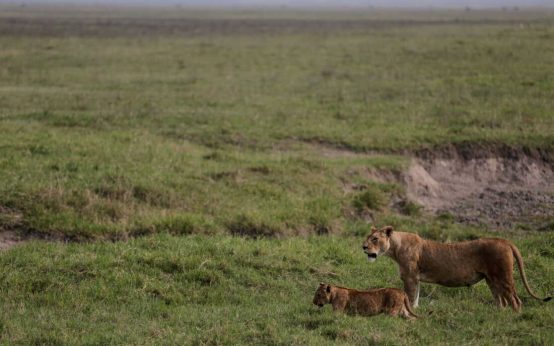 Investigation into Lion Deaths in Tanzania
 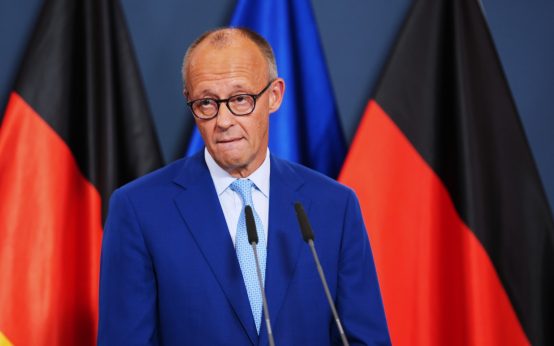 Merz Stays Resolute Amid Electoral Shifts in Germany
  The Impact of Arts and Closure on Democracy
 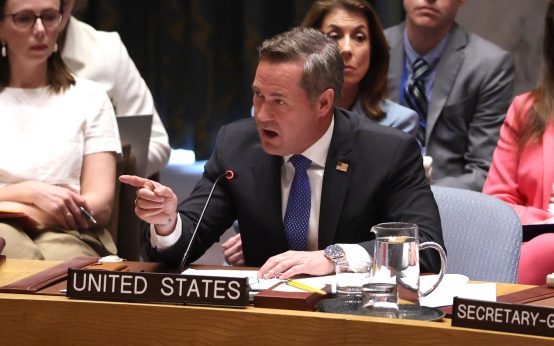 U.S. Ambassador Comments on Iran War Duration Amid Political Concerns