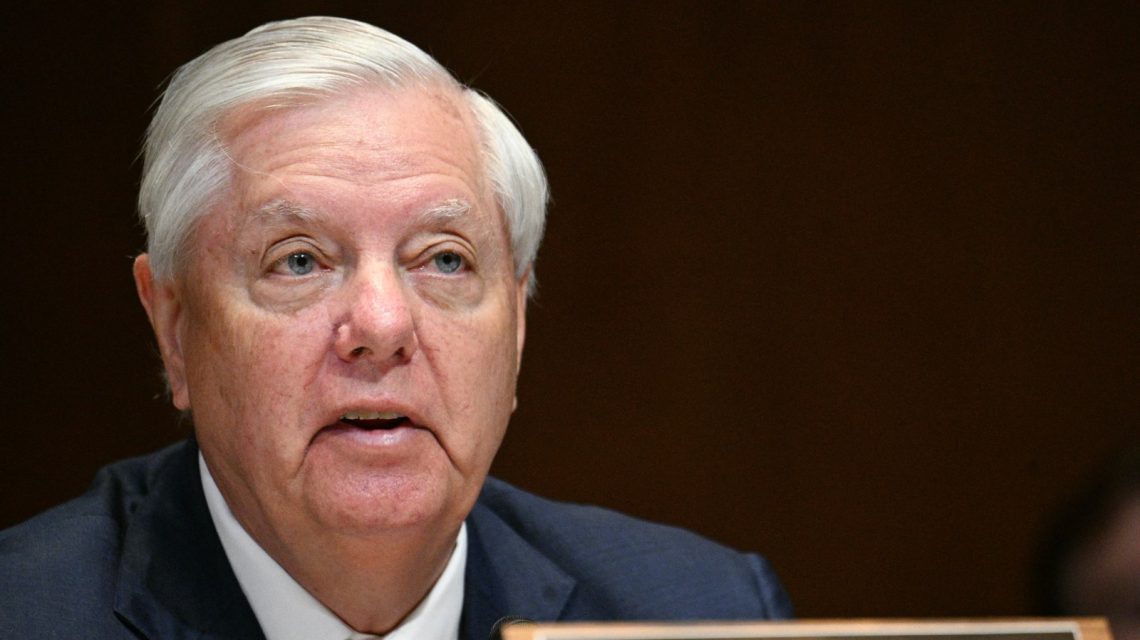
The passing of Senator Lindsey Graham introduces significant challenges to advancing several of President Donald Trump’s priorities. A South Carolina Republican, Graham was 71 at the time of his death. He closely allied with Trump and served as chairman of the Senate Budget Committee, playing a pivotal role in major legislation during Trump’s second term.
Graham’s ability to negotiate across political lines made him a critical figure in pushing Trump’s agenda, including increasing military funding and confirming nominees. His death leaves Republicans without a key strategist, especially as Mitch McConnell remains hospitalized, limiting their majority to 51-47 in the Senate.
Newsweek investigates the implications for Trump’s goals in Graham’s absence.
Challenges Facing Todd Blanche’s Confirmation
Todd Blanche’s confirmation as attorney general marks an immediate test for Senate Republicans. Previously serving as Trump’s personal attorney, Blanche’s hearings are scheduled for July 15 and 16. With Graham gone, the committee has 11 Republicans and 10 Democrats. Any Republican dissent could jeopardize Blanche’s confirmation.
According to Politico, Graham’s support was crucial. Senator Thom Tillis has also highlighted his stance against nominees who minimize the violence against law enforcement during the Capitol attack. A lack of independence from Blanche during hearings might sway Tillis’ vote.
Impact on the SAVE America Act
The Safeguard American Voter Eligibility (SAVE) America Act faces setbacks following Graham’s death. This legislation seeks stringent requirements for voter ID and proof of citizenship. Even before Graham’s passing, the act struggled to reach the necessary 60-vote threshold.
In an NBC interview, Trump disclosed Graham’s reassurance about the act’s progress shortly before his death. Graham’s relentless advocacy for the act means his absence poses a significant hurdle.
Military Budget Uncertainty
Graham’s absence also clouds the proposed $1.5 trillion military budget. Republican leaders intended to discuss the National Defense Authorization Act (NDAA) before the August recess, with Graham expected to be influential in floor debates. However, Senate Democrats plan to block the NDAA over issues related to the Iran war and Israel ties, complicating the passage.
Reconciliation Package Under Scrutiny
Efforts to pass new budget reconciliation, including $350 billion in defense funding, face uncertainty. Reconciliation permits Senate passage with a simple majority, bypassing the 60-vote threshold. Graham’s role was essential for advancing these bills.
Senator Ron Johnson, Graham’s successor as Budget Committee chair, expresses concern over military expenditure and advocates deficit reduction. This position introduces uncertainty for the package’s future.
 The Impact of Arts and Closure on Democracy
 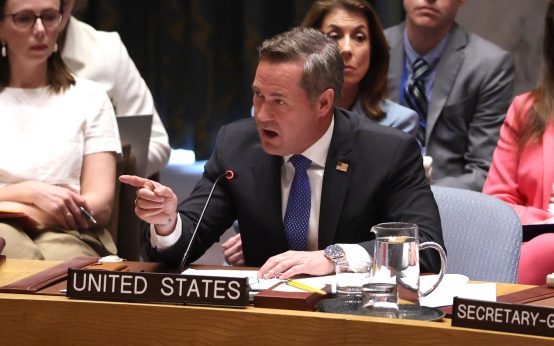 U.S. Ambassador Comments on Iran War Duration Amid Political Concerns
 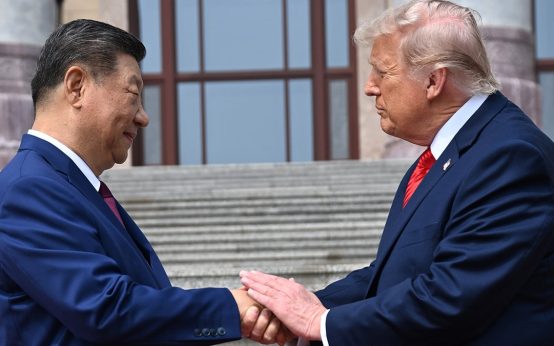 US-China Relations Under Scrutiny: Expert Warns of Escalating Tensions
  No Timeline for End of Iran Conflict
  German Chancellor Merz Vows to Pursue Reforms Despite Election Setbacks
 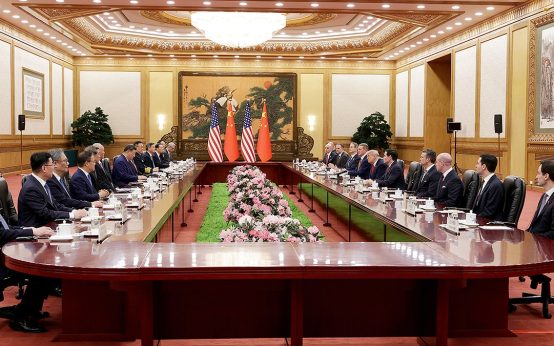 The Technology Rivalry: Trump’s Meeting with Xi and the AI Ecosystem Clash