Saharan Dust Plume Expected to Reach the U.S.
A large dust plume from Africa’s Sahara Desert is making its way across the Atlantic Ocean. It is anticipated to affect parts of the southeastern United States. Residents in these areas may experience hazy skies, vibrant sunsets, and potential air-quality issues.
According to forecasters monitoring the Saharan Air Layer, the dust cloud is on track to reach Florida and the Gulf Coast soon as it travels westward from the Caribbean. This event aligns with the peak of the Atlantic hurricane season and could influence regional weather patterns. The National Oceanic and Atmospheric Administration (NOAA) notes that the dry, hot air linked with the Saharan Air Layer might decrease the development and intensification of tropical cyclones by creating less favorable storm conditions in the Atlantic basin.
Tracking the Dust Plume
Maps following the dust movement show it stretching westward from North Africa over the Atlantic toward the Caribbean and southeastern U.S. Regions most likely to be impacted include Florida and parts of the Gulf Coast. However, dust concentrations are expected to reduce somewhat before reaching the continental U.S. Typically, Caribbean islands face the highest dust levels, with the plume dispersing as it moves further west. Nevertheless, enough dust might remain to cause noticeable haze in affected states.
Understanding the Saharan Air Layer
The Saharan Air Layer is a significant mass of dry, dusty air that forms over the Sahara Desert in late spring and summer. Tropical waves elevate dust particles into the atmosphere, where strong easterly winds transport them across the Atlantic. According to the National Hurricane Center’s Tropical Analysis and Forecast Branch, this is a routine phenomenon during this time of year.
NOAA indicates that the dust layer can be 2 to 2.5 miles thick and frequently travels from Africa to the Caribbean, Gulf, and U.S. between June and September.
Effects on Residents
NASA’s dust modeling shows multiple dust plumes moving across the basin in the coming days. The dust might cause hazy or milky skies and localized air-quality issues. Those with asthma, allergies, or other respiratory conditions should be cautious. Health experts suggest that sensitive groups limit prolonged outdoor activity during high dust periods.
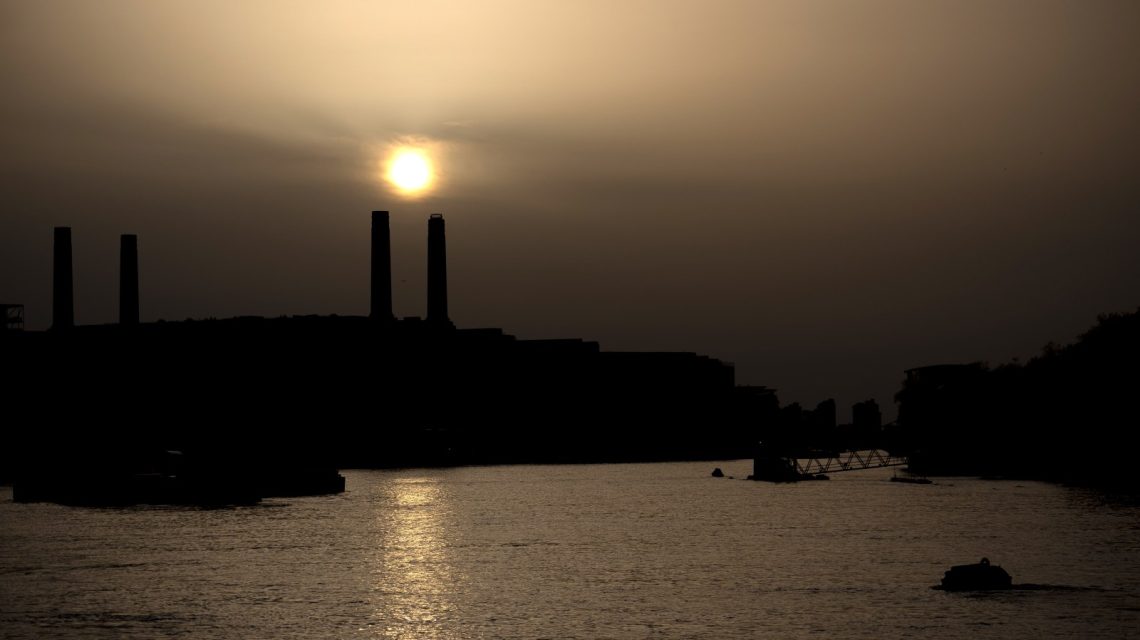
The dust is likely to cause hazy skies and vibrant sunrises and sunsets. NOAA reports that thick dust layers can suppress thunderstorm development. Although widespread hazardous conditions are not expected, people with respiratory issues may experience irritation or worsened allergy symptoms. Health officials recommend reducing strenuous outdoor activities when dust concentrations rise.
Impact on Hurricane Season
Forecasters monitor Saharan dust outbreaks as they can decrease the chance of tropical development temporarily. The warmth, dryness, and strong winds tied to the Saharan Air Layer can impede the formation and strengthening of tropical systems. While this does not eliminate hurricane risk, it can serve as a temporary suppressor while the dust is present over parts of the Atlantic.
For further information on this topic, contact Newsweek editors Gabe Whisnant and Gray R. Thomas.
 Fat Bear Week 2026 Highlights: Meet the Competitors
  Annual Fat Bear Week Begins at Katmai National Park
  Understanding Hurricane Development
  California Prepares for El Niño-Fueled Storms with Emergency Declaration
  California’s Growing EV Adoption: Challenges and Benefits
  Data Centers in Virginia face Growing Opposition