
On Friday, April 17, 2026, a customer at Fuel City in Dallas concluded a purchase by replacing the gasoline pump nozzle. The scene reflects the ongoing concerns over fuel prices, significantly impacted by geopolitical events.
Democrats are set to gain a strong presence in Congress, largely driven by public outrage over the soaring fuel costs linked to the conflict in Iran. Prior to the war, approximately 20% of global oil shipments passed through the Strait of Hormuz. The conflict has severely disrupted this route, causing a spike in oil prices. Brent crude oil, once $70 per barrel, now hovers around $95. Consequently, refined products’ costs have surged; the average price per gallon of gas climbed to $4.12, an increase of about $1 from the previous year. Diesel reached an unprecedented $6.52 per gallon in September before settling slightly but remains $2.50 higher year-over-year.
These increased costs have boosted profits for major oil companies but continue to strain consumers and transport-dependent sectors. The outcome of the midterm elections has raised questions about potential shifts in fuel pricing. Experts caution against expecting quick reductions.
Democratic Strategies and Limitations
The newly formed Congress, taking office in January, faces restrictions in directly influencing global oil prices, which operate in complex international markets. President Trump, in efforts to mitigate electoral setbacks, lifted several regulations prior to the elections, including those affecting dyed diesel and easing sanctions to reintroduce Russian diesel to the U.S. market. Yet, these measures had limited success.
The Democratic Congress plans to pressure the president to conclude the conflict in Iran. This strategy might involve tying conditions to military expenditures and using Congressional resolutions to hinder escalation.
“A unified Democratic Congress can make escalation considerably more costly,” stated Claudio Galimberti, Rystad Energy’s chief economist.
President Trump retains executive controls over military and economic measures impacting the conflict, presenting a mixed stance on potential de-escalation. Despite some aggressive rhetoric, the administration recognizes voter concern over fuel prices.
Potential Scenarios for Price Reduction
Should a deal to end the war emerge, immediate reactions in oil markets might lead to a swift $15-$20 drop in crude prices. However, for retail prices to mirror this decrease, logistics must adjust. Ships avoiding the Strait must revert to quicker routes, alleviating bottlenecks. Market stabilization could allow prewar price levels after several months.
“In an optimistic scenario, it could take around three months for fuel prices to decrease significantly post-ceasefire,” noted Jaime Brito of Dow Jones Energy.
Yet, delays and disruptions could extend this timeline. Jorge León of Rystad Energy suggests a more cautious outlook of six months to a year for full price normalization.
Influencing Factors
Other variables complicate a reduction in fuel costs. The war in Ukraine remains a disruptor, particularly impacting diesel due to Russia’s dominant role in its production. Potential disruptions in U.S. refinery operations or renewed conflicts could further hinder progress.
The economic ramifications extend to freight logistics. The prolonged conflict has inflated transport costs due to longer shipping routes and increased insurance premiums, adding to the price pressures in the oil trade.
“For prices to return to previous lows, there must be a conclusive end to the conflict,” Brito emphasized.
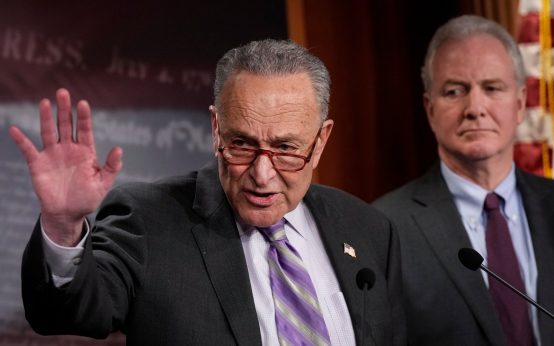 Chuck Schumer Faces Potential Leadership Challenge from Chris Van Hollen
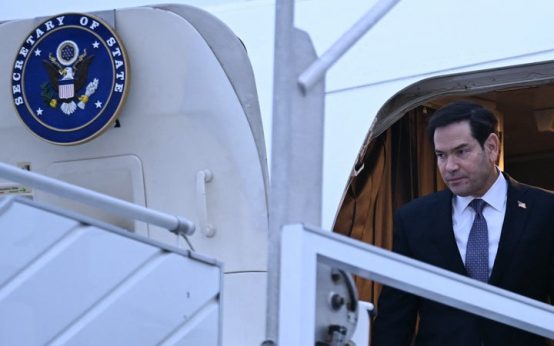 G7 Foreign Ministers Discuss Global Crises Amid U.S. Political Changes
 Mississippi State Auditor Shad White Announces Gubernatorial Bid
 Trump Dismisses Third Impeachment Prospects
 Custody Dispute Involving Rep. Max Miller Delayed
 Attorney General Addresses Post-Midterm Democratic Threats