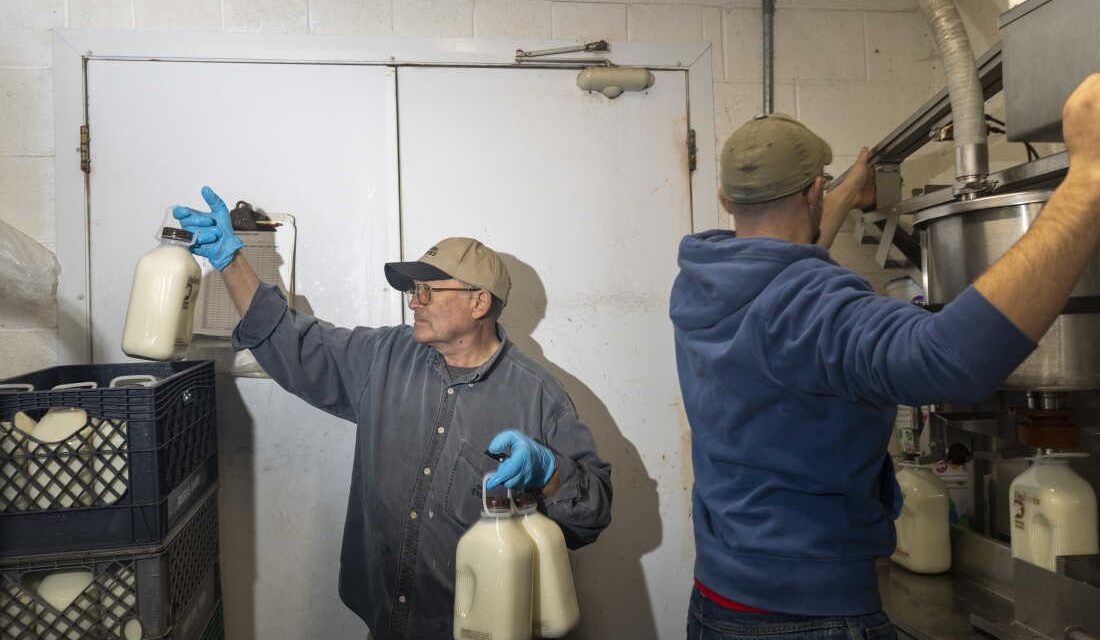
Located in Rigby, Idaho, Daloris Dairy is operated by Dale Mortimer and his son Brett, who fill milk jugs on their farm. Twin Falls, Idaho, offers stunning views of Snake River Canyon, marked by the history of Evel Knievel’s 1974 stunt attempt. Twin Falls is now recognized for its significant contributions to agriculture, especially Idaho’s multi-billion-dollar dairy industry. This success owes much to undocumented immigrant labor.
Rick Naerebout, CEO of the Idaho Dairymen’s Association, estimates that around 90% of the workforce at Idaho’s 350 dairies lack legal status. He states, “We’re not taking jobs from Americans. The physical nature of the jobs and exposure to elements make them unattractive to Americans.”
The ongoing immigration policies under President Trump have not significantly impacted American farmers despite aggressive crackdowns. Naerebout expresses concern about the potential impact of increased enforcement on food production.
Idaho has experienced less stringent immigration enforcement compared to neighboring blue states, according to legal professionals and immigrant advocates. Nevertheless, ICE deportation planes frequently operate in areas like Twin Falls, prompting protests from human rights activists like Heather Muth. She describes the deportations as disruptive to families and communities.
In Burley, the actions of ICE have affected residents such as Susan Rios, who moved to Idaho as a child to work in agriculture. Her daughter and son-in-law recently chose to self-deport to avoid potential detention. This highlights the anxiety building in regions dependent on immigrant labor.
A significant labor shortage is evident, as Idaho advertised 7,500 jobs through the H2A visa program yet received only four local applications. Dairy jobs offer more pay than typical service jobs in rural areas, but the reliance on immigrant labor continues.
Political dynamics in Idaho favor the state’s dairy industry due to its substantial economic impact. Despite limited ICE raids, political support helps maintain stability. Brandy Perez, an immigration attorney, credits the industry’s influence on state legislators for limited enforcement.
Attempts to address labor issues have seen little progress. President Trump promised solutions in 2025 but the promised action remains pending. The dairy industry waits for legislative fixes regarding agricultural visas despite a GOP-backed bill with bipartisan support.
Meanwhile, dairy operations continue daily, relying heavily on migrant labor amidst uncertain political landscapes.
 U.N. Report Highlights U.S. Airstrike on Iranian School
 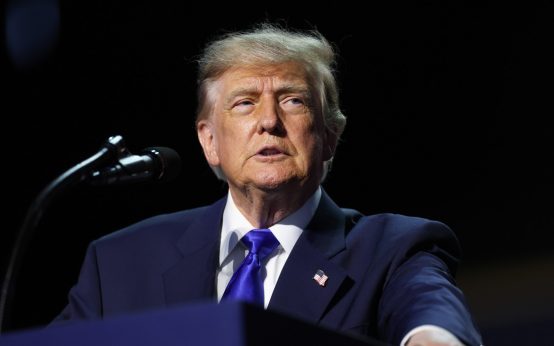 Trump’s Taxpayer-Funded Ads Spark Republican Debate
  Analysis of Proposed Rule Affecting Childcare Assistance Eligibility
 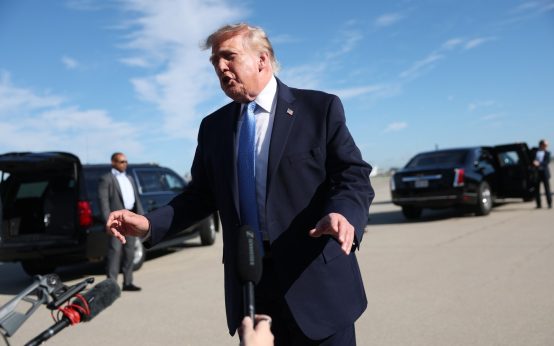 Controversy Surrounds U.S. Government-Funded Advertisements Under Trump Administration
  Concerns Over Trump’s Government-Paid Political Ads
  Navigating Global Challenges: Trump’s Legacy and Crisis Management