The Illinois General Assembly concluded its spring session with significant legislative decisions early Monday morning. Democratic lawmakers presented Gov. JB Pritzker with a range of bills focused on immigration enforcement, electric vehicles, and voting rights.
Key Measures Passed
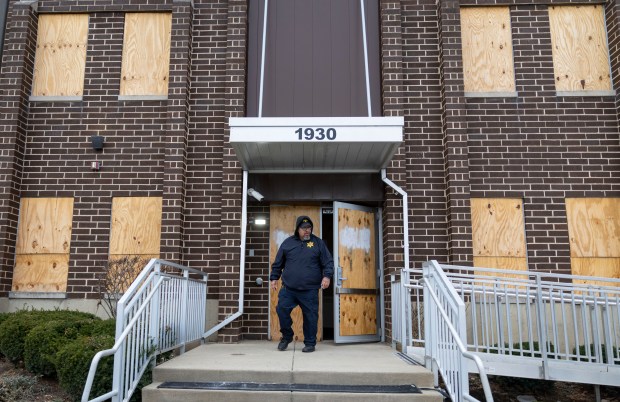
One notable bill prohibits federal immigration detention centers from being constructed within 1,500 feet of community spaces such as schools and parks. This measure responds to previous clashes in Broadview during mass deportation operations. The Senate approved the bill with a 39-17 vote, while the House passed it 72-35. House Speaker Emanuel “Chris” Welch and Senate Majority Leader Kimberly Lightford, representing affected districts, emphasized community impact and burdens.
Broadview Mayor Katrina Thompson commended the legislation, highlighting that it protects communities from absorbing detention facilities near vital areas. Although legal risks exist due to previous rulings by the 9th U.S. Circuit Court of Appeals, Illinois lawmakers remain optimistic about progress.
Prescription Drug Affordability and Police Quotas
Efforts to establish a Prescription Drug Affordability Board fell short in the Senate after passing in the House. Advocates saw it as a measure against high drug costs, but others worried it would add bureaucratic layers.
The proposal to ban police quotas, which passed the House, failed in the Senate. Police chiefs argued these metrics are needed for performance evaluations.
Electric Vehicle Regulations
Legislature approved rules for electric bicycles, motorcycles, and scooters. New regulations include driver licenses, titles, registrations, and insurance requirements. High-speed e-bikes and e-motos will now need to adhere to safety standards.
Secretary of State Alexi Giannoulias emphasized the importance of these regulations, citing safety concerns with high-speed electric vehicles.
Voting and AI Legislation
The Jesse Jackson Sr. Young Voter Empowerment Law aimed to facilitate voter registration for high school students. While optional, this initiative reflects efforts to expand electoral participation among youth.
AI-related regulations also passed, focusing on establishing limits for large AI companies and banning bots from purchasing event tickets excessively. Additional AI legislation, such as restrictions on grading student work, faced obstacles in the assembly.
 Political Strategies for the Upcoming Midterm Elections
  Trump Considers Diesel Export Ban Amid Rising Fuel Prices
  Texas Senate Race: Talarico Takes Lead in Youth Vote
  Criticism Arises Over Michigan Senate Nominee’s Association with Streamer
  Homeland Security Takes Action Against Voter Fraud
  Iowa Senate Election: Turek Leads in Polls Amid Economic Concerns