A report from Chicago’s anti-hunger organization reveals a growing hunger crisis. Affordability issues and cuts to assistance programs are intensifying the problem. Data from the Greater Chicago Food Depository, as of June 2026, shows approximately 417,000 households in Chicago, or one in three, face food insecurity.
Food insecurity means lacking consistent access to adequate food. Many families in Chicago do not know where their next meal will come from. This issue affects communities on the South and West sides most significantly.
“All of it is what we have experienced and what we see every day, somehow, seeing the numbers attached to it just gives it so much more weight.” – Kate Maehr, CEO, Greater Chicago Food Depository
Maehr expressed concern over the report’s findings, particularly regarding children. Nearly half of the households with children experience food insecurity. This extends beyond immediate effects, potentially impacting children’s health and well-being for decades.
Maehr highlighted that food insecurity reflects broader economic instability, not a lack of effort. Most adults in these households are working or unable to work due to various reasons. Over half (56%) are employed but still struggle to afford basic needs.
The report noted disparities across Chicago. Root causes include poverty, systemic inequity, and structural racism. On the South Side, 41% of households face food insecurity. On the West Side, the figure rises to 45%.
Years of public policy and underinvestment have left these areas lacking resources, affecting food access. Saria Lofton, a researcher, uses terms like “food apartheid” to describe the situation in affected neighborhoods such as West Garfield Park and Englewood.
The crisis impacts housing and job security, causing immense stress for many people, according to Lofton. Benefits reduction or loss adds to this pressure.
Significant portions of households in other areas, including higher-income regions, are also affected. About 20% of households in the north-central area report food insecurity. Hispanic households show a 44% rate, Asian-Pacific Islander households at 31%, and Black households at 61%. White households report a 14% rate.
Many Chicagoans, including 70% of food-insecure households, had to delay payments for other essentials to buy food last month. Snap benefits cuts have worsened the situation, adding financial strain.
Between 173,000 and 200,000 Illinois residents were removed from SNAP as a result of new eligibility requirements. The Greater Chicago Food Depository’s survey shows 52% of food-insecure households and 10% of food-secure households receive SNAP benefits, underlining the program’s importance.
Illinois launched the FRESH initiative, providing a $400 cash deposit for those experiencing SNAP benefit reductions recently. Local food pantries play a crucial role, but they cannot replace a robust nutrition safety net.
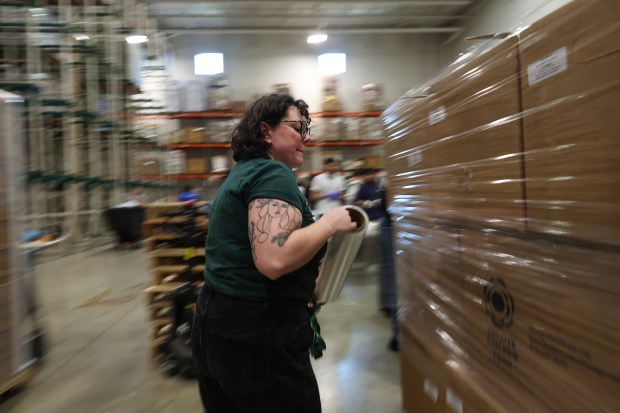
New Life Centers, operating food pantries across the city, serves 600 to 750 families weekly. Verenice Martinez, director of food distribution services, notes the diverse demographic shift among pantry users.
Alongside elderly and single mothers, students and young workers now utilize pantries. The New Life Centers also aim to break the stigma around using food pantries, promoting them as welcoming spaces for all.
Efforts include the Statesman Market at Kennedy-King, operated by the Greater Chicago Food Depository and City Colleges of Chicago, providing free, healthy food for students and families.
Systemic gaps affecting access to food include Chicago Public Schools food service strikes, leaving some children without expected meals during summer programs.
“The entire first week of my kids’ summer camp, they didn’t have lunch. I am blessed to have the flexibility of being able to run out to grab them food, but what about all the parents who can’t do that?” – Verenice Martinez
Rising costs of summer camps add to challenges, leaving families to cover meals previously provided by these services.
Surveys for the 2026 Hunger in Chicago report involved 1,194 Chicago residents, funded by the Greater Chicago Food Depository. Maehr calls the report a wake-up call for the city’s future.
 Lymphatic Drainage and Ice Sculpting: Emerging Wellness Trends
  The Rising Trend of GLP-1 Medications Among College Students
  The Challenges and Opportunities of Testosterone Therapy for Menopausal Women
  Concerns Rise Over NIPSCO Permit In Jasper County
  Long-Term Health Impacts of 9/11 and the Continuing Response
  Mental Health Challenges for Women with Type 2 Diabetes