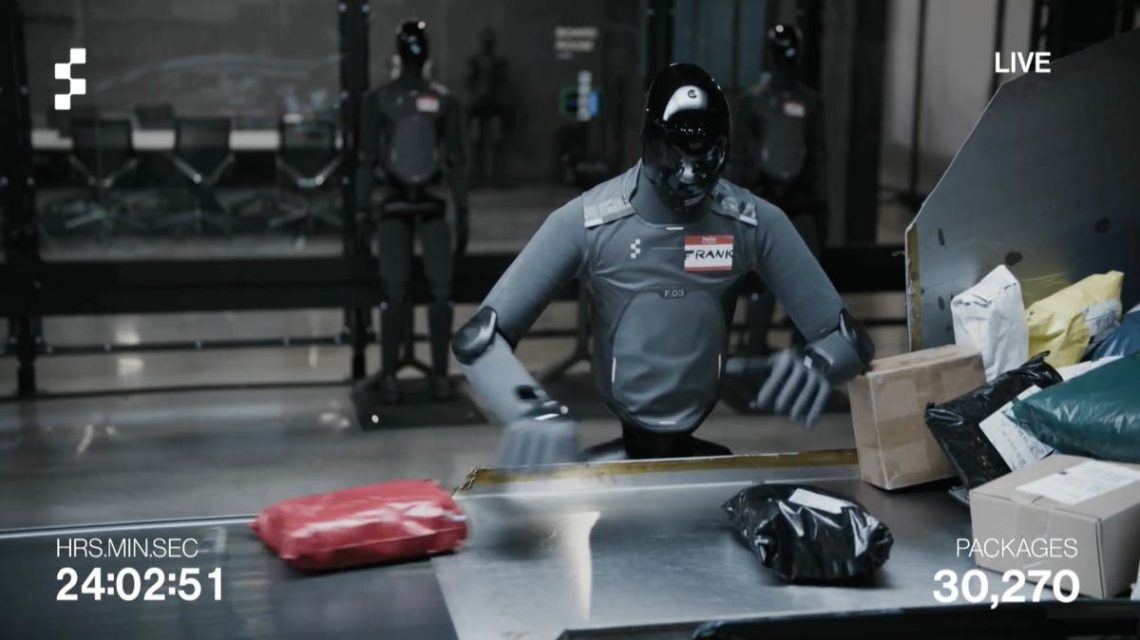
Figure AI reported a significant milestone in autonomous robotics as three humanoid robots completed over 24 hours of continuous operation. Initially intended for an eight-hour test, these robots exceeded expectations by sorting small packages without human intervention.
The California-based robotics firm utilized its Helix-02 AI system, which supported the robots in scanning, picking up, and placing packages. Over the course of the operation, the robots sorted more than 28,000 packages and operated at speeds comparable to human workers.
Helix-02 Powers the Robots
Helix-02 is described as a neural network incorporating elements like vision, touch sensing, body awareness, and movement control. These capabilities allow humanoid robots to perform complex tasks, such as handling packages and adjusting their posture. The system ensures the robots operate autonomously, as confirmed by CEO Brett Adcock, without remote steering from individuals.
Public Engagement through Livestream
The livestream of the operation allowed viewers to observe the robotic undertaking in real-time. As the test extended beyond its original duration, viewers started naming the robots Bob, Frank, and Gary. This personalization added a human touch to the demonstration, making it more engaging and accessible.
“If robots can endure long shifts, what does this mean for human workers?”
Figure AI added visible name tags to the robots in response to viewer interest. The demonstration highlighted the question of the future role of human workers in environments increasingly reliant on automation.
Recovery and Maintenance Features
Figure AI emphasized the robots’ ability to perform an automatic reset when encountering unexpected situations. This feature reduces downtime and improves the robots’ usability in real workplaces. Additionally, robots can leave the floor for maintenance, with another robot readily taking over the task.
Competitive Landscape
Figure AI faces competition from companies like Tesla, Agility Robotics, and Apptronik, all pursuing humanoid robotic solutions for warehouses and logistics. With existing tests at BMW facilities, Figure AI aims to bring its technology into industrial spaces.
The test presents a straightforward application of the technology: repetitive package sorting. With proven reliability and efficiency, such robots could soon serve in broader operational roles.
Challenges and Future Prospects
Despite the promising results, broader tests are necessary to verify the robots’ capabilities in real-world conditions. Companies will seek evidence of reliability, failure rates, and maintenance demands beyond initial demos. Warehouses can be chaotic environments, presenting challenges that these robots must address.
For consumers, humanoid robots sorting packages may seem distant, yet these innovations could impact delivery times and overnight staff requirements in warehouses. The potential shift towards robots filling repetitive roles introduces concerns about employment for human workers.
The CyberGuy’s Insights
Kurt Knutsson, known as the CyberGuy, hosts a free live class on phone security improvements. Sharing insights and tech tips, he advocates informed digital practices and awareness.
Automation in warehouses can transform the industry, balancing efficiency with employment concerns. Robots performing mundane tasks mark the beginning of widespread automation, a development that companies must carefully navigate.
 Teen Behind International Ransomware Operation: A Case Study
  Concerns Surrounding ChatGPT for Teens
  OpenAI Researchers Challenge Their Dismissals in Public Letter
  AI’s Role in Enhancing Human Connection Through Innovative Ventures
  OpenAI Reveals Russian and Iranian AI-Driven Influence Operations
  Vance Targets Microsoft’s Use of Foreign Workers