
Human activities are rapidly changing natural ecosystems without fully understanding the potential consequences. These alterations contribute to climate change, which escalates damage to ecosystems. The Nepal-Tibet flood disaster serves as a critical reminder that humanity must cease efforts to dominate nature.
This disaster, originating in the Himalayas near Tibet-Nepal, underscores the myth that humans can control nature. An immense ice-and-rock avalanche fell from a glacier on Nepalese territory, causing devastation across the Tibetan basin controlled by China. It highlights how human interventions can intensify nature’s fury.
Nepal, although not responsible for the flash floods, suffered greatly. Infrastructure-focused changes in the Tibetan border region heightened downstream impacts due to vulnerabilities in physical and operational structures.
“It’s not nice to fool Mother Nature.”
This saying from a 1970s advertisement encapsulates the lesson. Countries have historically tried to manipulate rivers, landscapes, and weather for development, providing energy and prosperity. Yet ignoring the intrinsic logic of natural systems can turn manageable risks into catastrophic events.
The Tibet-Nepal disaster illustrates why respecting nature is crucial. Much analysis has centered on climate change, overshadowing the broader damage caused by ecosystem alterations. Climate change is a consequence of these wider impacts.
The Himalayas offer a geological laboratory. Large-scale construction and river engineering can compound risks. Bearing the strain of tectonic collisions, the region is seismically active and fragile, prone to landslides, collapses, and flash floods.
Human constructions shape events as much as natural processes. Natural features dissipate water energy, while concrete infrastructure forces water through narrowed paths, magnifying destructive power as previously warned by scientific studies.
The disaster exemplifies a global pattern where modern states alter natural systems. China is especially ambitious, with projects like the Three Gorges Dam and massive water diversion programs, reflecting a belief that nature can be manipulated.
Complex ecosystems don’t function like machines. Human interventions disrupt interconnected processes, leading to consequences that affect distant locations or emerge later.
The Tibet-Nepal disaster reflects a universal truth:
Disrupting one part of a natural system creates cascading consequences.
Humanity’s engineering capacity is vast, along with its ability to magnify hazards. It’s crucial to understand safe limits by working with nature, not against it.
Sustainable development involves stewardship of nature, respecting natural flows, and preserving ecosystems. We can choose to work harmoniously within nature’s design rather than imposing human ambitions on it.
Human ambition faces judgment by natural forces, as demonstrated by the Himalayas.
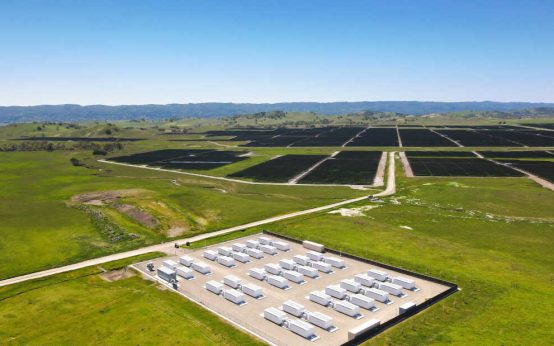 How Battery Innovations Transform Renewable Energy
  Data Centers Stir Controversy in Texas Amid Growth Boom
 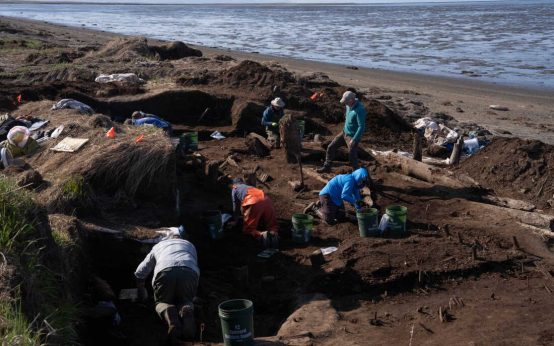 Urgent Archaeological Efforts in Quinhagak Stay Ahead of Erosion
 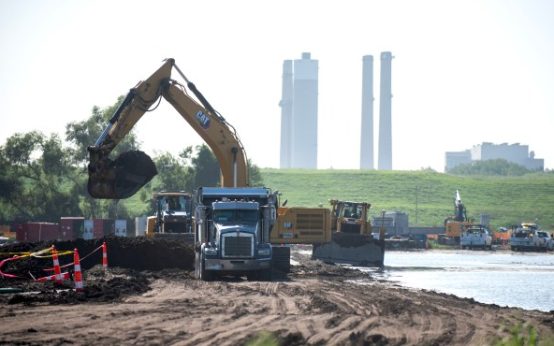 Concerns Rise Over NIPSCO Permit In Jasper County
  Reader Reactions on Grizzlies and Data Centers
 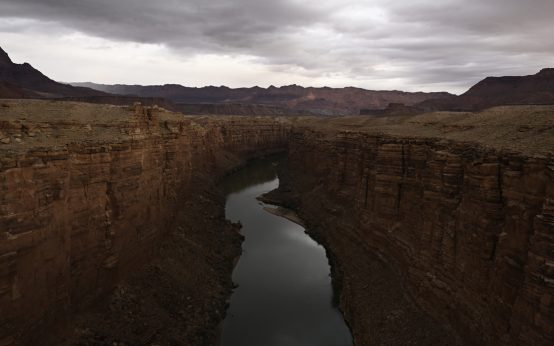 Managing the Crisis of Drying Rivers