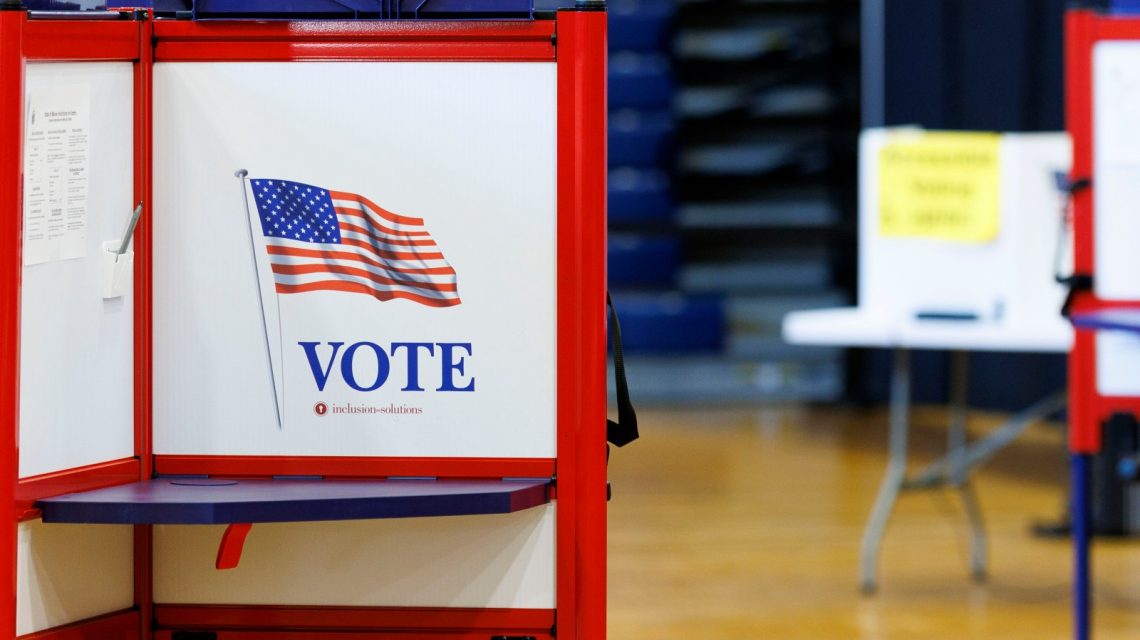
The 2026 midterm elections occurring this Tuesday are under intense scrutiny concerning election security. Officials are dealing with threats such as voter intimidation, cybercrime, AI-generated misinformation, and concerns about public confidence in the election results. The implications extend beyond party control of Congress, with credibility of close or disputed results depending on traceable ballots, preservation of physical records, verification of vote totals, and distinguishing irregularities from fraud evidence.
Voters, poll workers, and state and local election officials will depend on a variety of safeguards. Experts believe these make widespread manipulation tough, although uneven resources, cyber threats, and rapidly spreading false information pose vulnerabilities.
Complex U.S. Election System
All 435 House and 35 Senate seats are up for grabs, along with gubernatorial, state, and local contests. Thousands of jurisdictions will administer these elections, leading to significant procedural differences.
“America’s election system has a genuine strength that is sometimes overlooked: it is decentralized,” said Daniel Schatz, political scientist.
This decentralization involves multiple layers of checks, including paper records, bipartisan procedures, ballot tracking where available, post-election audits, and judicial reviews, reducing a single point of failure.
Local administration fosters innovation and resilience against centralized attacks. However, less-resourced communities might struggle to recruit expertise or provide the same level of service.
The system’s security is better understood by reviewing the journey of an individual ballot and how reported totals can be later verified rather than viewing Election Day as a single event.
Ballot Tracking and Mail Voting Security
Mail ballots, filled out outside polling places, attract strong scrutiny. Jurisdictions use various methods to verify eligibility and protect ballots pre-counting. Protections include voter declarations, witness statements, ID documentation, password systems, multiple envelopes, signature verification, ballot tracking, and observer access to ballot-receiving sites.
“The integrity measures used in the U.S. are among the most rigorous in the world,” noted Therese Pearce Laanela.
Ballot tracking, distinct from the final count, offers voters information on their ballot’s journey through the election process, while custody rules and verification procedures handle official operations.
Fraudsters exploit these processes at critical communication points. Washington’s legitimate ballot-status texts, for instance, can be spoofed, misleading unsuspecting voters. Aaron Rose advises navigating directly to state or county election sites for information.
Role of Election Observers
Election observation adds accountability. Security depends on whether election procedures can be scrutinized, not just on existing rules. Observer access can be a safeguard, while transparent procedures bolster public confidence.
Observers do not determine ballot validity or investigate crimes. Transparency offers candidates, voters, and stakeholders assurance that procedures are followed. The chain of custody becomes paramount once ballots are in election officials’ hands, emphasizing the need for careful attention to custody for physical ballots.
Voter Intimidation and Threats
Federal law bans voter intimidation, threats, or coercion. Security needs to be neutral and independent, though law enforcement presence laws vary by state.
“Nobody should be scared away from the polls,” asserted Timothy Gallagher, encouraging careful online presence management.
Election administrators must prepare for disruptions. Large jurisdictions plan well, but smaller areas might lack resources. Backup plans are key to maintaining voting operations amid incidents.
Cybersecurity Distinctions
Differentiating between cyberattacks on elections and evidence of vote tampering is crucial. Observed threats often target voters, poll workers, and staff rather than systems counting votes.
During one month, researchers detected 5,430 new domains related to voting. Credential information linked to Oklahoma’s election board was also found, but no confirmed evidence showed it affected votes.
AI-Driven Misinformation
AI allows rapid creation of misleading information, reaching voters before officials can respond. AI poses risk, particularly combined with targeted social network messaging.
A false claim on procedures or election outcomes can affect participation and public trust. Voters should verify election-related information against official sources.
Misleading information might involve fake videos or alerts, highlighting the source’s importance over the data’s appearance.
Internet Voting Concerns
Internet voting presents risks, albeit for a limited group like military and overseas voters. Internet systems often lack updates, raising alarm. Publicly revealing internet vote totals can help identify anomalies.
Ballot-marking devices also pose concerns but present lower risks across the entire system today compared to before. The U.S. uses diverse technologies across jurisdictions, so understanding a true vulnerability requires examining specific equipment or procedures involved.
Handling Disputed Election Results
Preliminary results on election night are not final. A secure count demands processing ballots as per jurisdiction rules. In disputes, voters should prioritize evidence over viral claims or urgency.
Examine allegations against physical ballots, custody records, audits, recount procedures, lawful canvass, or independent evidence. Seemingly urgent claims may be administrative errors rather than systemic fraud.
“The essential safeguard is not blind faith in the system, but transparent procedures that can be independently checked and clearly explained,” said Schatz.
Voters should verify voting times and places with official election authorities, approach urgent social media claims critically, and seek evidence when questioning election integrity.
 Mississippi State Auditor Shad White Announces Gubernatorial Bid
 Trump Dismisses Third Impeachment Prospects
 Custody Dispute Involving Rep. Max Miller Delayed
 Attorney General Addresses Post-Midterm Democratic Threats
 Senator Elizabeth Warren and the Future of Crypto Regulation
 Bipartisan Opportunities in Foreign Policy