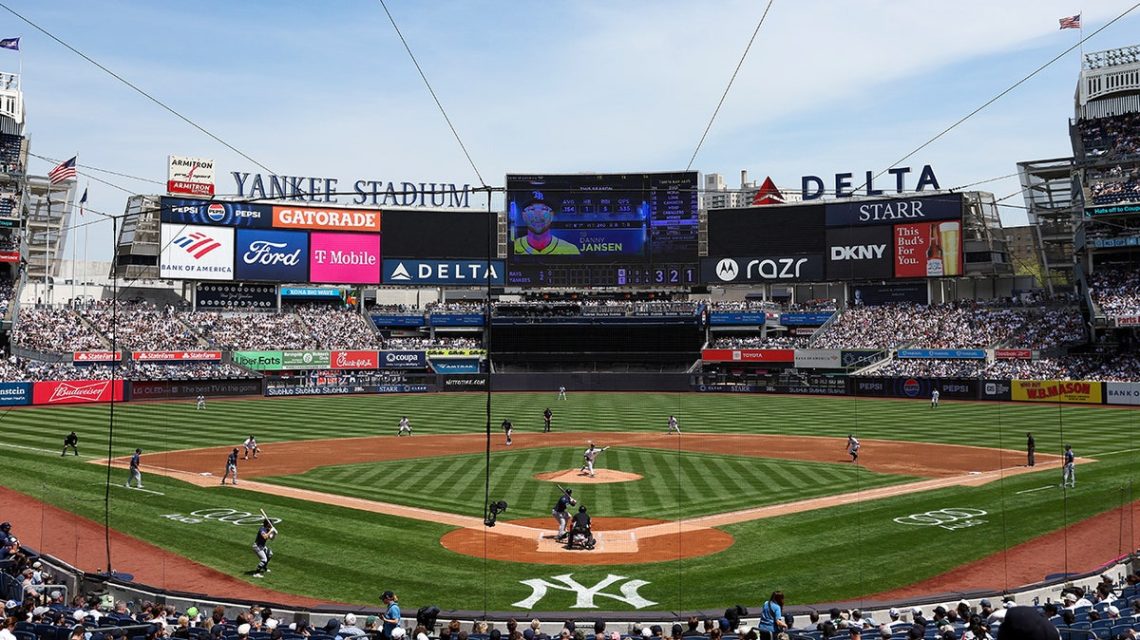
Health officials have taken immediate action to address 10 rooftop cooling towers in the South Bronx after preliminary tests revealed the presence of Legionella bacteria. This comes amid a growing cluster of Legionnaires’ disease cases that have affected nine individuals and resulted in one death.
The New York City Department of Health and Mental Hygiene has mandated the cleaning and disinfection of the impacted sites. These include key locations like Yankee Stadium and Lincoln Hospital. The recurrence of outbreaks in these areas points to larger systemic vulnerabilities, according to experts.
“In New York City, outbreaks of Legionnaires’ disease frequently arise in the Bronx or Harlem,” stated Dr. Tyler Evans, CEO of the Wellness Equity Alliance and former chief medical officer for New York City. “The risk of infections is common in historically marginalized communities.”
The department identified the outbreak after noticing an increase in cases starting in late August. Of the 24 towers tested, 10 showed traces of Legionella. While PCR tests deliver rapid results, they do not differentiate between live and dead bacteria. Consequently, officials have opted for immediate cleaning while culture tests, which take up to two weeks, are conducted.
Late-summer heat has exacerbated conditions conducive to bacterial growth. Higher temperatures can increase the risk of bacteria thriving in industrial cooling systems and subsequently becoming airborne. Dr. Evans emphasized that extreme heat can lead to accelerated bacterial exposure.
Legionnaires’ disease is a severe form of pneumonia that does not spread between individuals or through drinking water. However, high-risk groups, especially those over 65 or with existing health conditions, may experience severe health effects.
Health authorities are advising anyone who has been in ZIP codes 10451 and 10456 since late August to be vigilant about their health. Symptoms to monitor include high fevers, severe shortness of breath, chest pain, and coughing up bloody mucus.
Evans highlighted the importance of early medical intervention, as antibiotic treatments are effective when the illness is detected promptly. He noted that bacteria, unlike viruses or fungi, can be effectively treated with antibiotics.
While the city is taking immediate steps to address the towers, Evans stressed that long-term prevention demands continuous public investment. He suggested regular testing of cooling towers during high-risk periods when temperatures rise.
Efforts by city health officials are commendable but require adequate funding. Cuts in federal public health funding complicate these efforts, making prevention measures more challenging.
Fox News Digital has reached out to Yankee Stadium and Lincoln Hospital for comments.
Khloe Quill, a lifestyle writer with Fox News Digital, covers various topics including health, travel, and food.
 Concerns Over Food Safety and Its Impact on Families
  A Mother’s Tragic Journey Under Abortion Ban
  Medical Diagnosis Errors: Understanding the Crisis
  Lymphatic Drainage and Ice Sculpting: Emerging Wellness Trends
  The Rising Trend of GLP-1 Medications Among College Students
  The Challenges and Opportunities of Testosterone Therapy for Menopausal Women