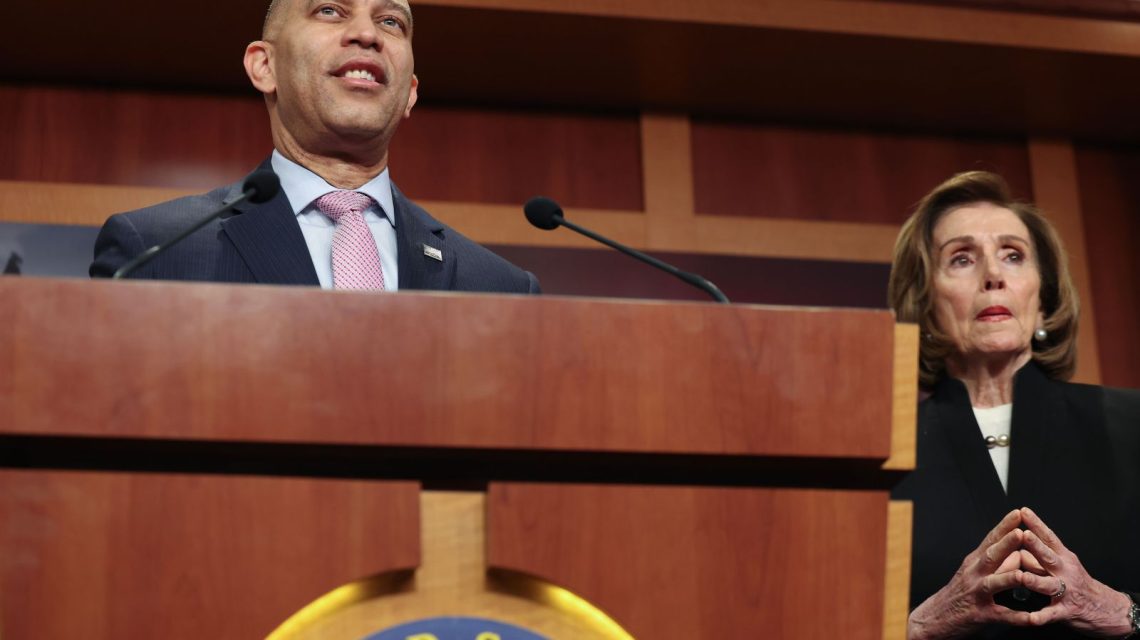
Jeffries’ Leadership Tested as Pelosi’s Successor
Hakeem Jeffries has led the House Democratic Caucus from the same office Nancy Pelosi occupied for twenty years. A procedural vote recently took place, highlighting differences in leadership styles. Maine Representative Jared Golden and Washington Representative Marie Gluesenkamp Perez aided Speaker Mike Johnson’s agenda, defying their leadership. This surprise move disrupted plans by a group of five conservative Republicans to vote against the rule, which, without Democratic support, would have failed at a 210-208 vote.
Pelosi, who had endorsed Jeffries in 2023, openly distinguished her leadership style, “I, as speaker, never considered that anybody would do that,” she remarked. Critics argue Jeffries lacks the control over his caucus that Pelosi maintained.
Comparisons to Pelosi’s Reign
Pelosi managed the caucus effectively, with fewer occurrences of members straying on procedural votes. Her leadership emphasized maintaining unity. The recent vote has ignited criticisms of Jeffries’ ability to maintain discipline.
Emma Vigeland, a progressive commentator, expressed disappointment, emphasizing Jeffries’ weakness in mastering the essentials of his role and the need for stronger leadership. Pelosi herself has commended Jeffries publicly, highlighting the potential for progress under his guidance. Yet, two years into his tenure, concerns about his leadership have intensified.
Political Climate Shifts
The past summer marked a trying period for Jeffries. His management faced scrutiny after Jared Moskowitz’s appointment as ranking member of a key subcommittee during heightened criticisms of Israel’s actions in Gaza. The backlash was compounded when Jeffries met privately with Jared Kushner, discussing common issues, which sparked further criticism.
Veteran strategist James Carville criticized engagements with Republicans, insisting Democrats should avoid unnecessary meetings. Jeffries’ perceived alignment with AIPAC has also attracted criticism from the party’s left wing, prompting election considerations.
Polling and Public Perception
Polling indicates a decline in Jeffries’ popularity. A July CNN poll showed a 16-point unfavorable rating gap, reaching a peak since December 2022. A YouGov survey ranks Jeffries 22nd in favorability among Democrats, trailing behind more popular figures.
Jim Kessler anticipates future challenges as Jeffries could navigate leadership in the majority, having to manage discord within his caucus.
Internal Tensions and Party Dynamics
The Democratic Caucus’s internal discord didn’t originate with Jeffries. Past frustrations over leadership structure resurfaced post-Pelosi’s era. Despite Jeffries allowing members latitude for strategic defection, leaders note potential vulnerability.
Strategist Basil Smikle highlighted defection could signify strategic strength, allowing members to align with constituency demands. Yet, frequent defection in stable districts could elevate criticism.
Kessler emphasized obligation to adhere to leadership on critical procedural resolutions.
Party Standing Among Voters
Broader voter discontent plagues the Democratic Party, seen in a Fox News poll showing 56 percent unfavorability, the first time in a decade Republicans earned better public perception.
Golden and Gluesenkamp Perez’s Decisions
Golden and Gluesenkamp Perez backed Republican initiatives, driven by specific interests. Golden pursued support for a local bill impacting his district’s fishing regulations. Gluesenkamp Perez communicated her environmental stance through social media.
Jeffries and other leaders issued statements accusing these actions as a breach of trust, prompting internal deliberations for response.
Reaction from Within the Caucus
Responses varied across the caucus. Representative Jared Huffman praised taking a firm stance. Representative Mark Pocan focused on procedural norms. Representative Jim McGovern opposed punitive measures, preferring a non-Republican approach.
Anonymous aides criticized the actions as selfish, with discussions on potential disciplinary measures circulating.
Leadership faces decisions about preserving caucus unity while adapting strategies to cater to current political demands.
 A Mother’s Tragic Journey Under Abortion Ban
  U.S. Strategic Goals Remain Unmet Amid Prolonged Conflict
  The Impact of Arts and Closure on Democracy
 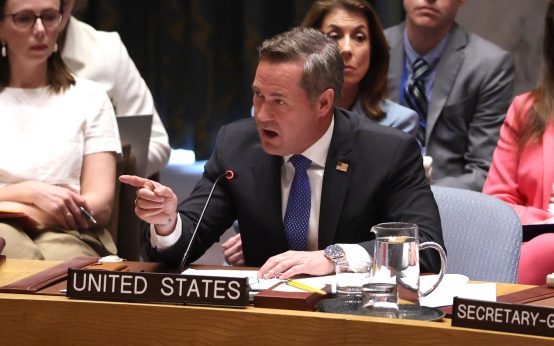 U.S. Ambassador Comments on Iran War Duration Amid Political Concerns
 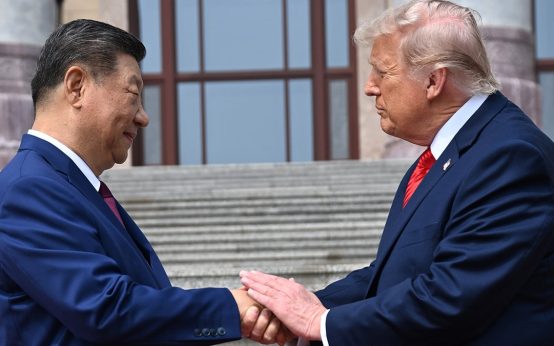 US-China Relations Under Scrutiny: Expert Warns of Escalating Tensions
  No Timeline for End of Iran Conflict