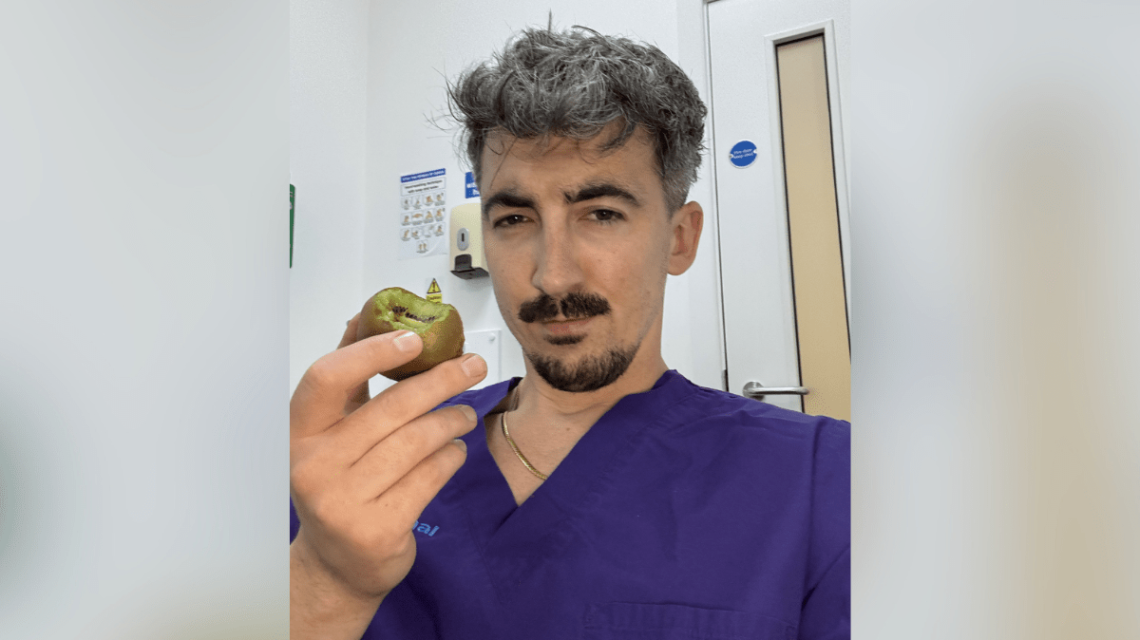
Jordan Haworth, a gastrointestinal physiologist at the Functional Gut Clinic in the U.K., has identified five foods he avoids to maintain gut health. With a decade of experience in digestive health, Haworth stresses the importance of understanding gut health and its impact on overall well-being, including mood, metabolism, skin, and immunity.
The Importance of Gut Health
Gut health’s relevance has grown, yet awareness remains limited. A 2024 survey by Danone North America revealed that 41% of Americans had not heard of the gut microbiome, and 50% did not grasp its influence on gut health. The gut microbiome consists of trillions of bacteria and microbes in the digestive system, aiding food digestion, producing beneficial compounds, supporting immunity, and defending against harmful pathogens.
Foundations of Good Gut Health
Haworth advises against overcomplicating gut health. He believes the concept is often misused by retailers and supplement companies. Instead of costly supplements, he suggests focusing on the “three Fs”:
- Fiber: Consume beans, oats, apples, pears, whole grains, chia seeds, and psyllium.
- Phenols (polyphenols): Include foods like blueberries, red cabbage, coffee, dark chocolate, and olive oil.
- Fermented foods: Eat yogurt, kefir, kimchi, and sauerkraut.
To further enhance gut health, prioritize sleep, manage stress, and engage in at least 150 minutes of exercise each week.
Understanding Food Poisoning
Food poisoning significantly impacts gut health. Haworth identifies it as a major disruptor due to lasting gut effects from the bacteria causing foodborne illnesses. Studies indicate about one in five people develop post-infectious IBS after a Campylobacter infection, linked to bacteria producing the toxin CdtB, which damages the gut and increases sensitivity to certain foods.
Proper food storage and cooking reduce risk. However, many food poisoning cases occur outside the home, leading Haworth to avoid typical sources like buffets and kebabs.
Foods to Avoid
1. Raw Oysters
Oysters, as filter feeders, absorb bacteria and pathogens from surrounding water. Haworth prefers cooked or depurated oysters, which undergo a UV-treated water process to lower harmful bacteria.
2. Rare Beef Burgers
Haworth avoids rare beef burgers due to potential bacterial distribution in minced meat. Unlike steak, the surface bacteria distribute throughout the patty during processing.
3. Sushi
While sushi-grade fish undergoes deep freezing to eliminate parasites, bacterial risks remain. Rapid consumption post-preparation is crucial. Haworth advises caution with discounted sushi that sits on shelves too long.
4. Sprouts
Despite their healthful reputation, sprouts pose food safety concerns due to growth in warm, wet conditions, ideal for bacterial growth. Sprouts also grow near soil and are typically consumed raw.
5. Pre-Packaged Salad Bags
Haworth’s unexpected caution with pre-packaged salads stems from contamination risks during harvesting, processing, and shipping. Leafy greens often implicate food poisoning outbreaks since they’re consumed raw.
He recommends thoroughly washing individual spinach or greens instead of pre-packaged bags to reduce cross-contamination risks.
 Measles Exposure in Philadelphia Raises Health Concerns
  Lawsuits Claim Vision Loss Risk from GLP-1 Medications
  States Tighten Regulations on Tianeptine, Known as ‘Gas Station Heroin’
  Medicare Lab Test Payments: Upcoming Changes and Their Implications
  Gen Z Faces Economic Barriers to Dating and Intimacy
  Understanding and Preventing Suicide: A Public Health Priority