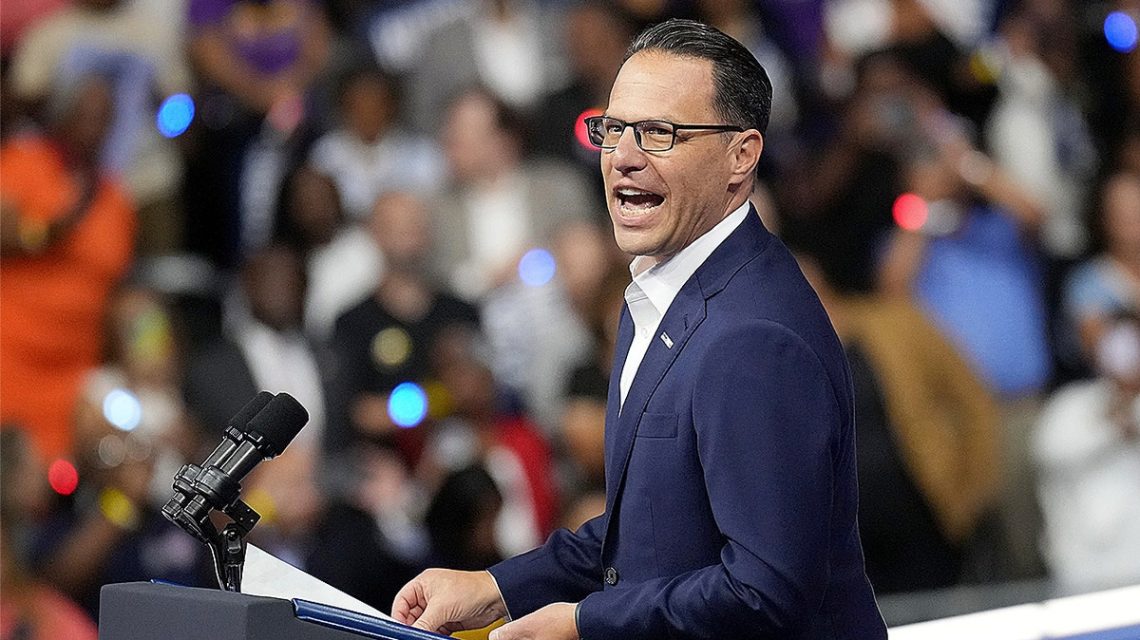
Pennsylvania Governor Josh Shapiro recently took a controversial step on MS NOW’s “Morning Joe” by aligning with other Democratic leaders who support significant changes to the Supreme Court. Shapiro discussed the need for “radical reform,” which includes strategies that aim to establish a liberal majority capable of overturning recent Supreme Court rulings and advancing a progressive agenda.
The governor’s stance is noteworthy because he had the potential to be an alternative voice within his party, challenging the path chosen by others like Kamala Harris and Pete Buttigieg. Shapiro, who was reportedly not considered for a vice-presidential role due to his Jewish identity, could have stood as a moderating influence, advocating for restraint and preserving core institutions.
Despite the independence shown by the Court, which has ruled against the Trump administration on several occasions, Shapiro’s comments echo those by figures such as Senator Elizabeth Warren, asserting the Court’s illegitimacy based on its decisions contradicting public opinion. This aligns with a broader movement seeking radical reforms to ensure the representation of the people’s voices.
Historical context, as explored in books like “Rage and the Republic,” highlights the purpose of institutions like the Supreme Court, designed to protect minority rights and maintain constitutional checks on public impulses. Shapiro’s stance supports ideas from influential voices like Michael Klarman, who suggested that packing the Court could prevent Republican electoral success. Eric Holder and James Carville have also vocalized plans to expand the Court under favorable Democratic conditions.
Shapiro appears to follow in these footsteps, advocating for reforms without directly addressing the court-packing narrative. His viewpoint suggests dissatisfaction with the existing checks and balance system, highlighting perceived executive overreach despite the Court’s recent decisions against presidential actions.
This approach has sparked concerns about turning to mob influence rather than stable democratic principles. Shapiro’s decision not to join the 250th anniversary celebration and his critical remarks reflect broader tensions within his party and with factions that demand profound structural changes.
Figures like Shapiro risk falling out of favor with a party leaning towards radicalism, driven by increasingly aggressive campaigns. His recent actions demonstrate the complexities of navigating such landscapes and the potential pitfalls when aligning with factions calling for drastic measures.
 A Mother’s Tragic Journey Under Abortion Ban
  U.S. Strategic Goals Remain Unmet Amid Prolonged Conflict
  The Impact of Arts and Closure on Democracy
 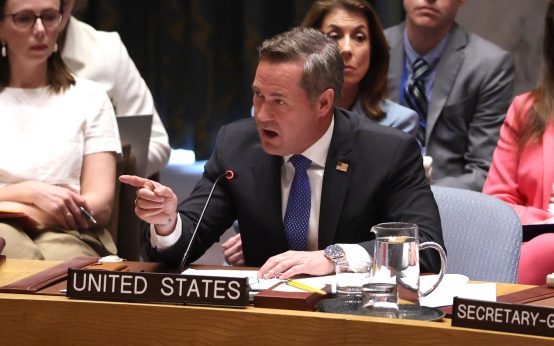 U.S. Ambassador Comments on Iran War Duration Amid Political Concerns
 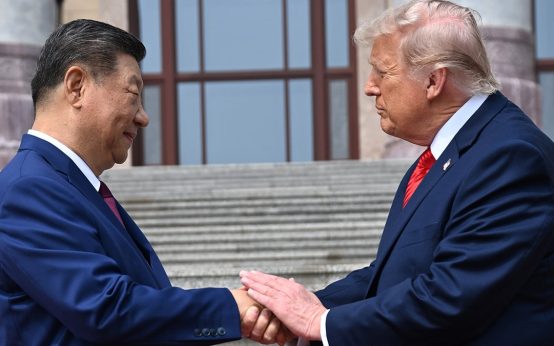 US-China Relations Under Scrutiny: Expert Warns of Escalating Tensions
  No Timeline for End of Iran Conflict