
In Melbourne, Australia, a Google executive testified before an inquiry regarding a YouTube video that falsely accused a Sydney antisemitic massacre survivor of being a crisis actor. The video alleged that Arsen Ostrovsky, a survivor of the December attack on a Hanukkah celebration that resulted in 15 fatalities, was faking his injuries with makeup. Despite the controversy, Google Australia manager Rachel Lord confirmed that the video met YouTube’s standards and would remain accessible.
Lord addressed the government inquiry, which focused on the spread of antisemitism in Australia. She was specifically questioned about Ostrovsky’s complaint concerning the video. It was reported that Ostrovsky faced online hostility after a photo of his bloodied head appeared on social media shortly after being shot.
During her testimony, Lord stated that YouTube’s decision to let the video remain had been reviewed by senior levels within the company. She emphasized the ongoing efforts to determine acceptable content boundaries. Richard Lancaster, the lawyer presenting evidence at the inquiry, referenced the video transcript to prevent displaying the sensitive images publicly.
The contentious video featured four men discussing Ostrovsky’s head wound, describing it as “very crisis actor-ish” and attributing it to “makeup.” They also labeled him as an “intelligence asset” with a “degree in theater.” Furthermore, the video claimed the massacre was a “false flag operation.” Police have alleged that the attack was perpetrated by Sajid and Naveed Akram, a father and son team inspired by the Islamic State group.
Lancaster highlighted the video as evidence of a “serious deficiency” in YouTube’s hate speech guidelines. In response, Lord expressed gratitude for Lancaster’s feedback. She stated that three days after the massacre, YouTube informed Australia’s online safety regulator of its commitment to providing accurate information about the tragedy.
Ostrovsky has previously testified to experiencing online hate, abuse, vilification, and AI manipulation following his injury on December 14. During the inquiry, an AI-generated image depicting Ostrovsky laughing while fake blood was applied to his head was shown as part of the evidence.
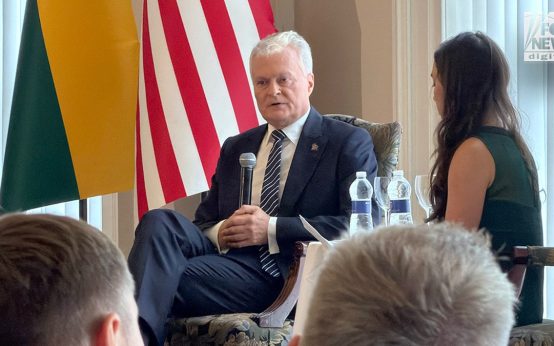 Lithuanian President Urges U.S. to Maintain Military Presence Amid NATO Challenges
 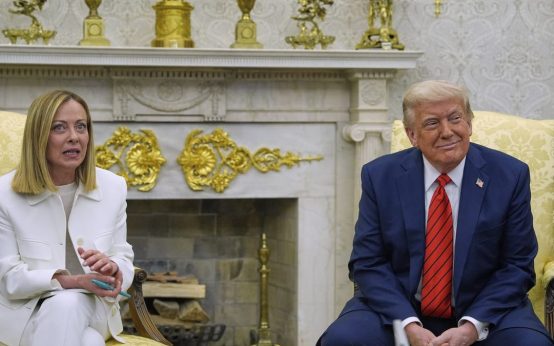 Italian PM Giorgia Meloni Skips UN General Assembly Amid U.S. Tensions
 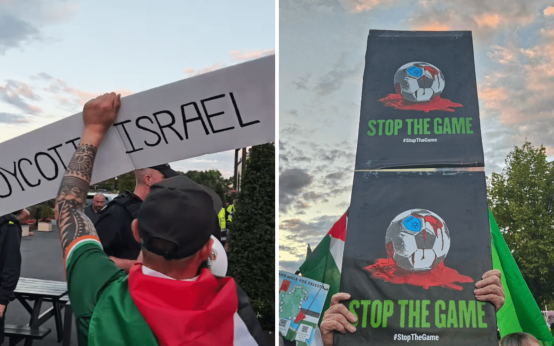 Ireland Faces Calls to Boycott Matches Against Israel
  Social Media Influencer Faces Serious Charges
  U.S. Military Expansion in Greenland
  The Autocratic Age: A Closer Look