
The Impact of Gerrymandering
Gerrymandering, the manipulation of electoral district boundaries, is becoming increasingly prominent in political discourse. Often resulting in skewed representation and the entrenchment of political power, gerrymandering can undermine the democratic process.
Scholar’s Concerns and Call for Reform
Amid these concerns, a collective of scholars has publicly expressed alarm through an open letter addressed to Congress. Their message underscores the significant ramifications gerrymandering poses to democratic integrity.
They advocate for proportional representation, a system that could foster fairer elections by ensuring that political parties receive legislative seats in proportion to their share of the vote. This approach may offer a solution to counteract the negative effects of current redistricting practices.
Discussion with Pamela Karlan
Amna Nawaz of PBS News Hour held a conversation with Stanford Law Professor Pamela Karlan to delve deeper into the scholars’ proposal. Karlan emphasized the necessity of reform and highlighted how proportional representation could potentially rectify some issues inherent to gerrymandering.
Through informed discourse and public engagement, evolving the electoral landscape towards proportional representation may present a path to more equitable political representation.
 A Mother’s Tragic Journey Under Abortion Ban
  U.S. Strategic Goals Remain Unmet Amid Prolonged Conflict
  The Impact of Arts and Closure on Democracy
 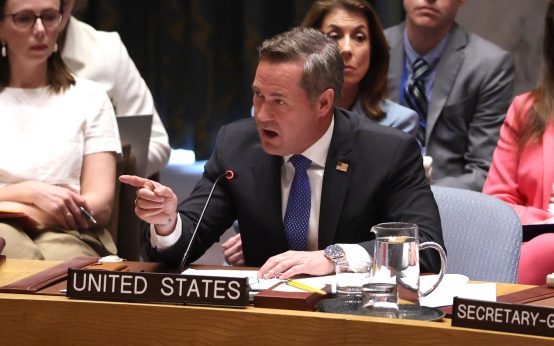 U.S. Ambassador Comments on Iran War Duration Amid Political Concerns
 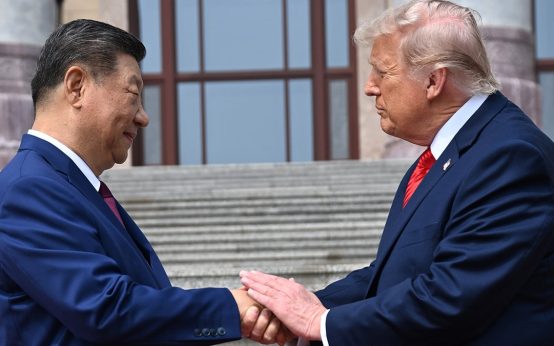 US-China Relations Under Scrutiny: Expert Warns of Escalating Tensions
  No Timeline for End of Iran Conflict