Previous research has suggested that obesity impacts men and women differently. A recent study using animal models has provided insights into why this could occur. Researchers from the University of California, Riverside have discovered that in mice, the variation might stem partly from a specific type of immune cell. This immune cell appeared to function differently in male and female mice.
Key Findings
The study challenges the notion that eosinophils, a type of white blood cell engaged in fighting parasites, bacteria, and allergens, are the same in both men and women. This finding opens the door to creating more targeted treatments. Meera Nair, a professor of biomedical sciences at the University, emphasized that biological sex plays a fundamental role in how immune cells operate. The research showed immune cells like eosinophils might be ‘flexible’ as their functions and gene expression can change depending on tissue environment and external factors like infections.
Nair explained that good metabolic health relies on immune cells’ behavior in fat tissue, which could be targeted for improved outcomes.
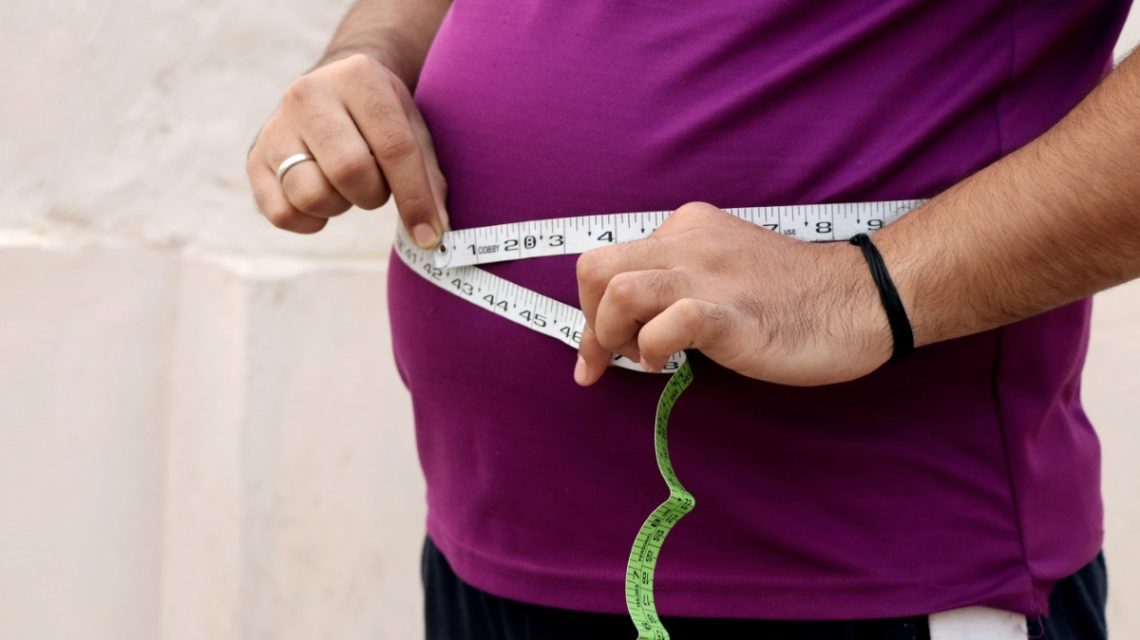
The study published in PNAS Nexus in November also revisited prior findings. Women often have a higher overall prevalence of obesity, but men are more likely to accumulate visceral fat. This type of fat, which is stored deep in the abdomen, heightens the risk of cardiovascular diseases and type 2 diabetes. Possible explanations for this difference include hormonal effects, such as estrogen’s role in fat storage in women, variations in gut microbiome, and sociocultural influences.
Detailed Observations
The researchers identified six distinct clusters of eosinophils in the fat tissue of mice, each with slightly different functions. Some clusters were linked to protection against obesity. In healthy scenarios, eosinophils help soothe the fat tissue environment, managing inflammation and maintaining metabolic balance. They are seen as cellular caretakers, ensuring inflammation is kept at bay, thus preventing metabolic and cardiovascular diseases.
Intriguingly, while female mice contained a higher overall number of these cells in their fat tissue, one cluster was particularly effective when working alongside macrophages, another immune cell type. This interaction helped in maintaining a healthy metabolic rate. Conversely, a specific eosinophil cluster in male mice developed more rapidly when on a high-fat diet, contributing to inflammation.
As a result, female mice enjoyed a stable immune environment that shielded them from weight gain-induced inflammation, whereas male mice saw an increase in inflammatory eosinophils and altered cell communication, leading to obesity-related inflammation.
Implications of the Study
Nair proposed focusing on targeted cellular reprogramming as a therapeutic strategy, rather than simply increasing eosinophil counts. The findings emphasize the importance of sex-specific medicine. Treatments could potentially alter the genetic programming of inflammatory eosinophils to mimic the behavior of protective ones found in females.
Although these results were derived from mice and not yet confirmed in humans, previous research has noted the presence of eosinophils in human fat tissue, correlating a higher eosinophil count with obesity. Dr. Caroline Apovian, director of the Mass General Brigham Weight Center, remarked that it’s understood women are somewhat protected from visceral fat due to hormonal differences, primarily estrogen, until menopause.
She highlighted that fat tissue acts as an endocrine organ, with hormones and immune cells communicating systematically throughout the body. This study further supports the notion that obesity is a disease influenced by hormones produced by fat and other organs.
 Nationwide Hormone Therapy Shortage Affects Menopausal Women
 Making Exercise Fun: The Impact of Fitness Gamification
 Federal Government Freezes Minnesota’s Medicaid Funds Amid Fraud Probe
 California Approves Proposition 38 for Immunology Research
 Andrew Huberman Joins Hims & Hers Board to Guide Consumer-Health Strategy
 Increase in Infant Bleeding Cases as More Parents Refuse Vitamin K Shots