Gas prices have risen above $4 per gallon as efforts to resolve the Iran conflict stall, while various supply-side risks threaten to worsen the situation. This poses political challenges for the Republican Party as the elections approach.
Impact of Iran Conflict on Fuel Prices
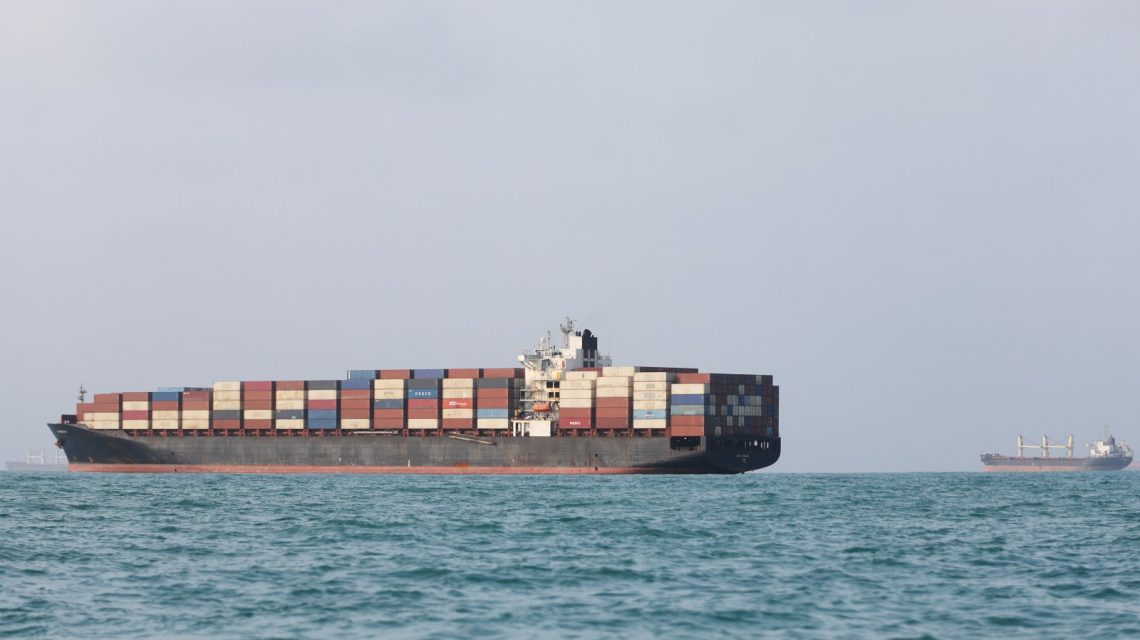
The Iran war has blocked the Strait of Hormuz, affecting Middle Eastern output and increasing fuel costs in the U.S. Temporary recoveries followed announced agreements but were reversed due to negotiation breakdowns and ongoing strikes.
The Strait of Hormuz remains crucial to oil price increases, says Carole Nakhle, CEO of Crystol Energy, who emphasizes daily price swings due to diplomacy changes.
Nakhle warns of global and domestic issues further elevating drivers’ costs.
Gas Price Variations Across States
AAA reports the average price for regular unleaded is $4.04, rising from $3.88 a month ago. California records the highest price at $5.58 per gallon, followed by Hawaii and Washington. Western regions face risks due to reliance on Middle Eastern imports.
Indiana has the lowest prices at $3.52 per gallon, with Texas and Louisiana following.
Factors Keeping Gas Prices Elevated
The Iran war leads to market volatility and fluctuating prices based on developments in Hormuz and U.S.-Iran negotiations. Prices remain around $90 a barrel amidst renewed regional violence.
Khawaja Asif, Pakistan’s defense minister, suggests progress towards a peace deal. A credible agreement could quickly ease pressure on prices.
Nakhle notes overlapping risks beyond the war continue to pressure U.S. gas prices.
The Strategic Petroleum Reserve (SPR) dropped to under 300 million barrels, with earlier releases aimed at curbing prices.
Bob McNally, president of Rapidan Energy Group, highlights the possibility of higher future prices due to reduced SPR levels.
Ukrainian attacks on Russian refineries also impact supplies, further influencing prices.
Thomas Kloza of Gulf Oil calls the Russia/Ukraine war a major driver of global fuel prices.
Gas Prices and Political Implications
Supply challenges and rising prices pose political risks for Republicans before elections. Voter frustration over gas costs affects polling, with many blaming the administration.
Francesco D’Acunto, from Georgetown University, stresses high inflation from gas prices as a crucial election issue.
Ending the Iran conflict to fully open the Strait of Hormuz could reduce voter frustration.
A Harris Poll showed 95% of Americans view the U.S. as facing an affordability crisis. AP-NORC polls reveal disapproval of Trump’s economic handling.
Politico polling shows 57% believe cost of living worsened, with more blaming Trump for the economy.
Oil Market Trends and Future Risks
Reports from energy organizations highlight supply and demand trends amid the Iran conflict.
The International Energy Agency (IEA) reports significant market impacts from the Strait of Hormuz closure. Risks are high, with urgent reopening needed as inventory buffers deplete.
The U.S. Energy Information Administration (EIA) predicts continued constraints on Hormuz transits through the year.
Contact Newsweek editors: John Fitzpatrick and James Debens.
 Exploring Orange County’s Anti-Mexican Political History
 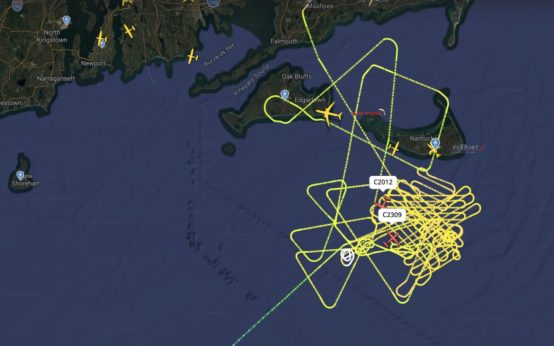 Search Underway for Missing Aircraft Near Nantucket
  Tennessee Prison Chief Resigns After Failed Execution
  Revelations in Thomas Crooks’ Assassination Attempt on Donald Trump
  Challenges in Prosecuting Assault Cases Involving Alcohol or Drugs
  Extended Heatwave Expected in Los Angeles with Temperatures Approaching 100 Degrees