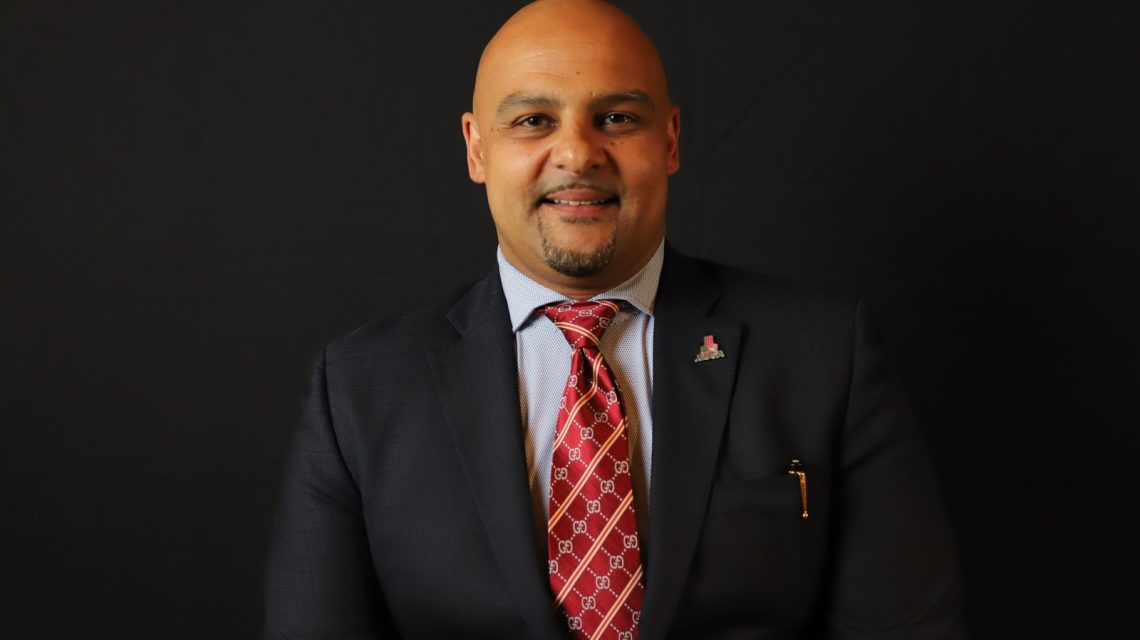
In 1995, when I entered prison at 17 years old, dial-up internet was a novelty. I knew no one who used it. Yet, when I was released in 2010, aged 32, the technological landscape had drastically transformed. The fourth iPhone was widespread, and touchscreens had become the norm, supplanting keyboards. Job applications, government services, healthcare portals, and everyday communication had gone digital. During my time inside, the digital revolution unfolded without me.
Upon returning home, I dedicated myself to hard work. I held two full-time jobs and a part-time one. I was employed at a pizza shop, answered phones for a payday loan company, and did janitorial work at a church. My work weeks ranged from 100 to 140 hours. I believed I was making progress.
However, my first tax filing at H&R Block was eye-opening. With W-2s in hand, I watched as the accountant tallied my earnings. I was shocked to learn my annual income was $24,600. It felt insufficient. That amount cannot support basic living expenses like housing, transportation, food, clothing, and healthcare. My family’s support was crucial during this period. That realization shattered my illusion of success, making clear why many lose hope and consider alternative paths. Forced into a corner, some choose differently, especially if they see another way to earn $24,000 a month, even if it means risking past behaviors.
Reflecting on my journey, I recognized the issue wasn’t merely low wages. I lacked the digital tools the modern economy demands. Although motivated and resilient, I lacked digital literacy, a significant disadvantage by 2010. Think about the pace of technological change. Missing six months of updates alone can leave us perplexed. I missed more than updates; I missed essential building blocks of digital knowledge.
My unfamiliarity extended to digital job applications, online benefits systems, and employer portals. These tools are crucial in today’s economy. Hard work alone couldn’t bridge this gap. As I pursued a career in reentry advocacy, I often pondered how mastering basic digital skills might have altered my life. These include resume creation, online job applications, email setup, course enrollment, and staying in touch with family. Navigating systems that had become routine for others was foreign to me.
In prison, secure digital technology access distinguishes a returning citizen equipped for modern life from one who might revert to old habits. Leading TimeDone, part of the Alliance for Safety and Justice, I meet many people with past arrests and convictions who return home motivated but face obstacles unrelated to their effort or character.
The recurring theme is that reentry cannot begin only upon release. Individuals need tools, training, connections, and support before they exit to promote successful transitions. We created resources to link individuals to peer support, technology, savings, mental health services, and meaningful relationships.
In the past, a connecting bridge was absent for me. Today, my efforts focus on creating this bridge to ensure access to essential tools before people leave prison and safety nets ready should they falter after release. I aim to prevent others from enduring the challenges I faced.
Saad Soliman serves as the national director of TimeDone at the Alliance for Safety and Justice, advocating for policy and systemic reforms for those with past convictions. His expertise in reentry spans work with the U.S. Department of Justice, federal courts, and national policy roles.
All opinions in this article reflect the author’s perspective.
Want to share your personal essay with Newsweek? Send it to [email protected].
 Athlete Controversy: The Case of Sophie Cunningham
  Elon Musk: The Fifth Musketeer in Modern Geopolitics
  The Ambassador’s Removal Highlights Trump’s Ethical Inconsistencies
  Exceptional Off-Loop Production of ‘A Strange Loop’
  Democrats Face Challenges and Opportunities in Upcoming Elections
  A Vision for American Infrastructure