
The unprecedented dismissal of Jocelyn Samuels, a former Democratic commissioner of the Equal Employment Opportunity Commission (EEOC), took place as part of a plan to restructure civil rights enforcement under President Donald Trump. Samuels ended her lawsuit against Trump’s decision, citing a Supreme Court ruling that expanded presidential authority over independent agencies.
Initially dismissed by Trump, Samuels, along with another Democrat, represented a shift in the EEOC’s enforcement direction. The agency under Trump focused on eliminating diversity initiatives, weakening transgender worker protections, and promoting discrimination claims involving white and U.S.-born workers. The EEOC’s new regulatory agenda introduced proposals such as discontinuing the annual collection of workplace demographic data. They also planned to reverse guidance against enforcing English-only workplace policies, which could be seen as discriminatory.
Trump’s early efforts as president included changing the Democratic majority within the EEOC, which consisted of two vacant seats. His dismissal of commissioners before their terms ended was unprecedented since the EEOC’s creation under the 1964 Civil Rights Act.
Samuels’ lawsuit highlighted Congressional intentions for EEOC commissioners to serve staggered terms, ensuring stability free from political influence. The legal landscape shifted when the Supreme Court upheld Trump’s dismissal rights for independent agency heads.
EEOC Chair Andrea Lucas supported this Supreme Court decision, which reaffirmed the EEOC as an executive agency. The EEOC spokesperson announced commitment to Trump’s civil rights agenda, emphasizing balanced enforcement of civil rights laws. However, Democratic commissioner Kalpana Kotagal criticized the new agenda, expressing that the changes compromise worker protections and enforcement efficacy.
The agenda proposed ending a requirement for larger companies to provide demographic data. Lucas warned against using such data for diversity initiatives, citing potential discrimination. Critics argued gender or racial imbalance data prompted EEOC actions implying discrimination. Despite this, supporters valued the data in identifying discriminatory trends and assessing civil rights progress since the Civil Rights Act.
Kotagal expressed concerns over ceased data collection by the understaffed, underfunded EEOC, questioning the agency’s decision to reduce its discrimination investigatory capabilities.
The EEOC also planned to revoke 1980 guidelines on language usage, arguing outdated presumptions in English-only work policies. Recent actions removed guidelines on voluntary affirmative actions aimed at employment parity for women and minorities.
Additionally, there were plans to revise enforcement of the Pregnant Workers Fairness Act, aimed at accommodating pregnancy-related conditions in the workplace. Lucas opposed provisions allowing accommodations, such as leave for medical appointments, related to abortion.
The Associated Press’ reporting on workforce issues receives financial backing from Pivotal Ventures; however, the AP is solely responsible for content creation.
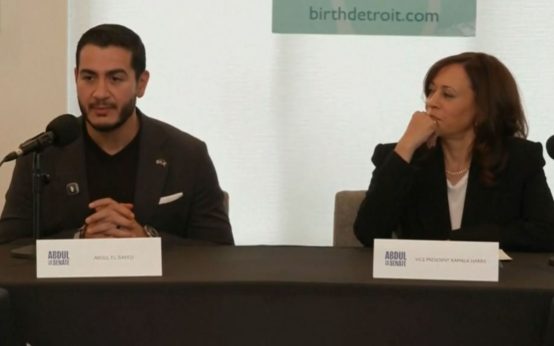 Kamala Harris Joins Abdul El-Sayed in Michigan Senate Campaign
  Texas Man Arrested in Shooting of 5-Year-Old Girl
  Public Confidence in the Supreme Court at Record Lows
  Federal Authorities Arrest California Lawmaker’s Aide for Visa Overstay
 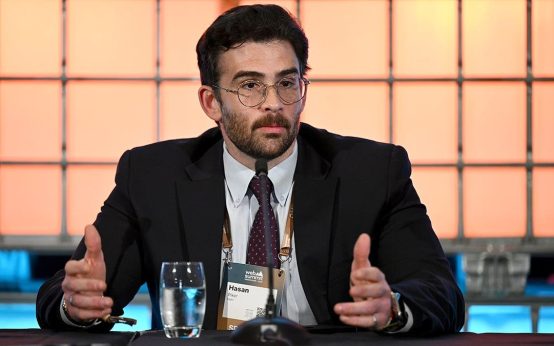 Hasan Piker Addresses Controversial Comments and Political Involvement
  Star Meat Delivery Inc. Recalls Over 167,000 Pounds of Meat