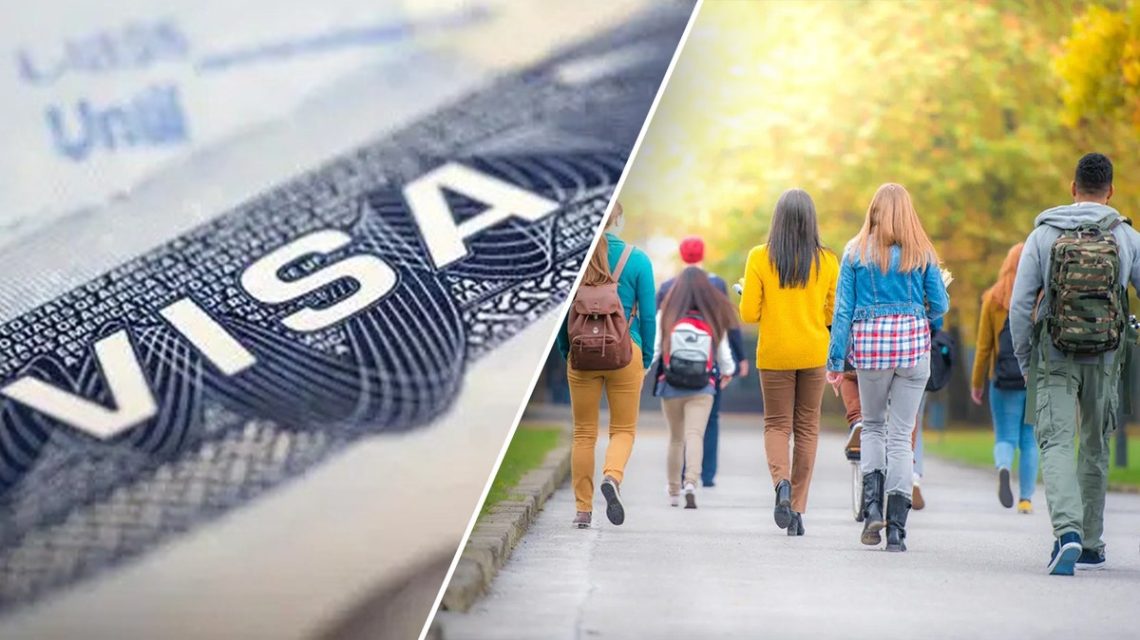
A federal judge in Boston has halted the Trump administration’s decision to impose a $100,000 fee on H-1B visas, describing it as an unauthorized tax lacking congressional approval. The policy, introduced in the previous year, significantly increased the visa fee from a range of $2,000 to $5,000, emphasizing a preference for U.S. citizens. In response, the White House has indicated plans to appeal the court’s decision.
This immigration regulation, proposed by the Trump administration to address perceived issues in the visa system, faced a judicial block by District Judge F. Dennis Saylor IV. Appointed by former President George W. Bush, Judge Saylor ruled that the Department of Homeland Security (DHS) exceeded its authority. The regulation imposed stricter limitations on visas for international students, exchange visitors, and foreign journalists.
Judge Saylor’s decision marks a triumph for labor unions and university presidents who contested the rule. It represents another setback in the Trump administration’s legal efforts to restrict immigration. The DHS rule intended to alter a long-standing policy by restricting international students to fixed study periods, typically limited to four years. Extensions would have required an additional application. Previously, international students could study without a fixed timeframe as long as they maintained legal status and were enrolled in a university.
The rule aimed to introduce new limitations on transferring schools, changing academic programs, and pursuing extra degrees. It proposed additional immigration reviews to counteract fraud and security threats. However, Judge Saylor pointed out that the final rule would prevent students from entering the U.S. for further studies, contradicting the original intent of F-1 visas to encourage educational opportunities.
“DHS is trying to stop or deter the very activities that Congress intended to allow and promote,” Judge Saylor highlighted. “The statute does not provide DHS with broad authority to undermine the F-1 visa program.”
Judge Saylor had previously halted the rule’s implementation in September. His latest ruling completely invalidated it, citing the DHS’s violations of federal administrative law. DHS officials disagreed with the judge’s assessment, stating that indefinite admission periods hinder immigration officials from regularly reassessing visa compliance.
They argued that mandatory extensions create chances to identify fraud and security issues, citing past cases of student visa system abuses. Despite this, Judge Saylor stressed DHS’s failure to substantiate its claim that the new rule outperformed existing systems in preventing visa fraud.
“DHS has not clearly shown how relying on an unreviewable, fully discretionary renewal system, after four years in the country, enhances fraud detection,” the judge remarked.
Currently, DHS uses the Student and Exchange Visitor Information System (SEVIS) to monitor student visa fraud. SEVIS is a federal database that tracks international students’ enrollment and immigration status through information submitted by educational institutions. The agency labeled SEVIS as a “data-reporting tool for schools,” inadequate for total fraud and security screening.
Judge Saylor’s rulings resonate with his Republican affiliations. A 2014 profile highlighted his connections with former Massachusetts Governor Mitt Romney and considered for a Bush administration position. Confirmed by a bipartisan Senate vote, he had backing from Democratic Senator Ted Kennedy, known for his fair-minded approach and independence.
Requests for comments from DHS and the White House were unanswered.
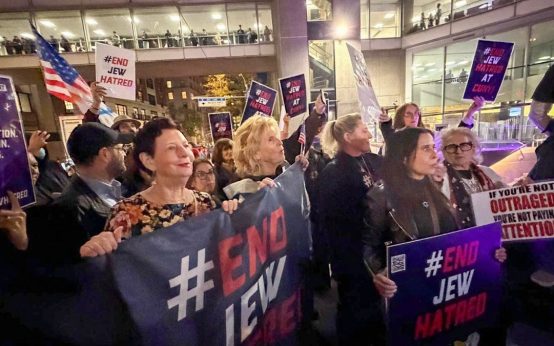 Jewish Activist Criticizes Event Cancellation at CUNY School
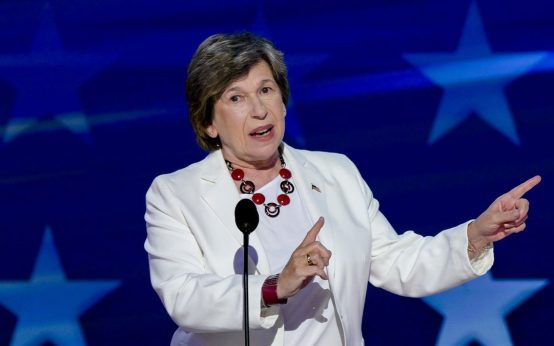 Debate on School Choice in Texas Elections
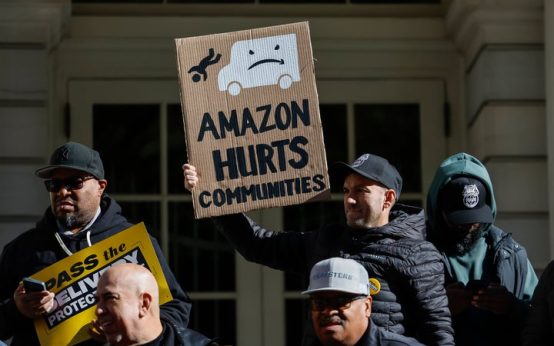 Amazon Enlists NYC Customers Against City Council Bill
 Amy Klobuchar Takes On Governorship with Promises for Minnesota’s Growth
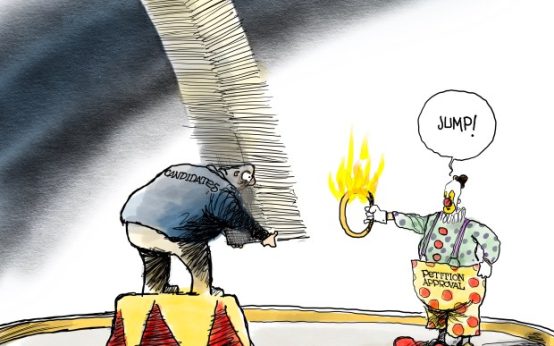 Challenges of Signature Requirements for Political Candidates in Illinois
 Debate Rekindled Over Gray Wolves and Livestock Losses