FBI Special Agent Ryan Presley spoke about the investigation into an explosive device discovered in Peoria. He commended the rapid coordination between the FBI, Peoria Police Department, and the ATF. Presley stressed the importance of community vigilance and reporting suspicious activities as key to national security.
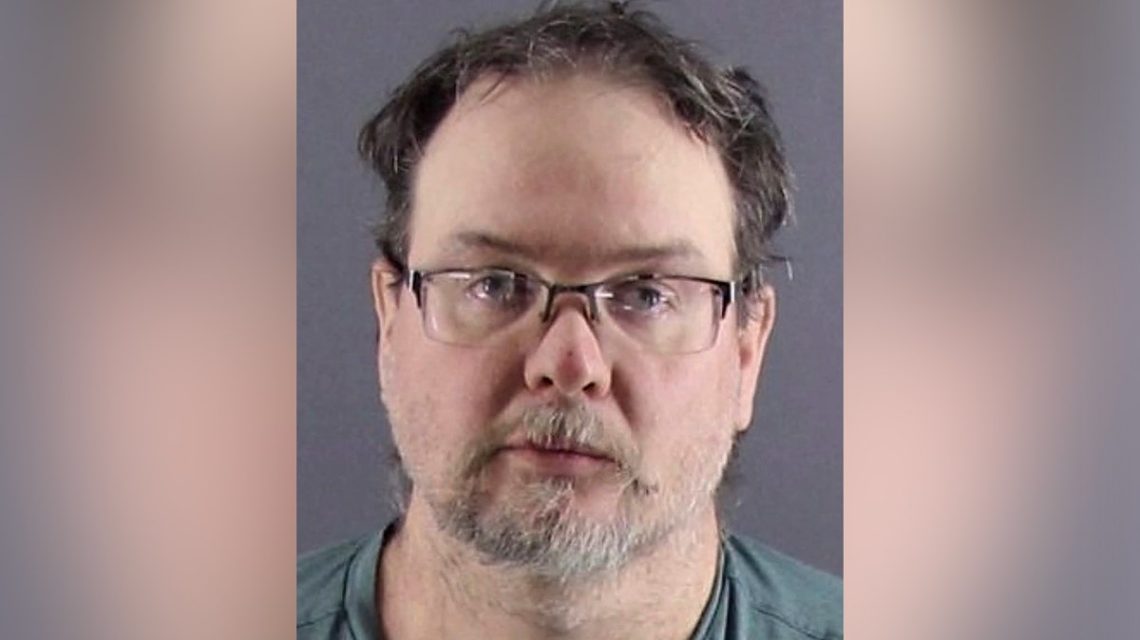
An Illinois ethanol plant worker, Andrew M. Kozak, is accused of sending a bomb threat to his workplace. He will remain in custody until his trial. Federal authorities found bomb-making materials and a facility map during property searches. Judge Ronald L. Hanna highlighted the potential danger of the explosive found at BioUrja Renewables, which could have caused fatalities and significant damage.
Prosecutors connected items seized from Kozak’s home and vehicle to the events of November 13. This incident led to the evacuation of around 2,500 homes and businesses in Peoria and East Peoria for nearly a day. A search of Kozak’s residence on November 16 revealed components matching a damaged device found at the plant. Prosecutors stated that Kozak faces federal charges for the incident.
Investigators discovered a laptop missing its hard drive, later found in Kozak’s vehicle beside a map of the BioUrja facility. Files on the drive included information on shaped-charge explosives and videos about copper-based explosives. Internet searches connected to ethanol tank blasts and an explosion investigation were also found.
Prosecutors linked Kozak to the warning email sent to plant employees, using security and internet records. Surveillance footage captured Kozak at a Peoria store before the email was sent. His vehicle was seen leaving shortly after.
Security expert Bill Daly noted the unusual nature of the case, as bombers typically do not warn targets in advance. Daly suggested investigators would explore if the threat was an attempt to highlight security gaps or stemmed from workplace issues.
Kozak’s public defenders argued that items like batteries, tape, and wiring were household items. They emphasized the absence of charges for constructing or planting the device. Daly explained that prosecutors often start with threat charges to maintain custody as investigations continue.
Kozak’s prior criminal history includes burglary convictions and prison time. He worked at BioUrja for ten months before his arrest. He pleaded not guilty to charges of making bomb threats and sending threats across state lines. A pretrial hearing is scheduled for December 3.