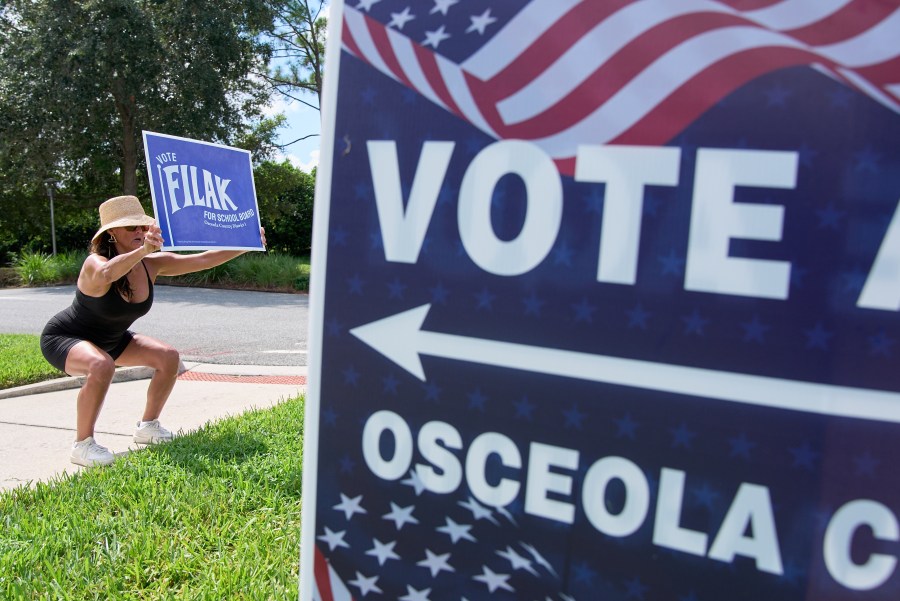
When you plan to vote, consider how outward support for a candidate might affect your voting experience. Over half of U.S. states do not allow voters to don campaign apparel at polling locations, and nearly all prohibit signs or literature nearby, as noted by the National Conference of State Legislatures (NCSL).
These rules aim to maintain neutral voting spaces. In 2024, a notable incident occurred when a woman voting shirtless was spotlighted after being told her Trump shirt violated electioneering restrictions. Quinn Yeargain, a law professor at Michigan State University, emphasized the importance of keeping polling places impartial. “This isn’t about chilling free speech; it ensures neutrality at polling venues,” he explained.
Avoid Campaign Apparel
The NCSL indicates that 27 states have rules against campaign wearables such as stickers, shirts, and buttons. Vermont authorities, for example, require the coverage of such items. Similar rules apply in Michigan, Minnesota, and Texas. Colorado, Louisiana, and Nebraska voters can’t wear campaign or ballot measure apparel. Delaware, Georgia, and Oklahoma have parallel restrictions as well.
States like Arkansas, California, Hawaii, Indiana, Kansas, Maine (allowing small buttons), Massachusetts, Montana, Nevada, New Jersey, New Mexico, New York, North Dakota, Ohio, Rhode Island, South Carolina, and Tennessee also prohibit campaign gear at polling places. Maryland and Iowa offer some leeway, permitting voters to wear relevant buttons or clothes if they leave right after voting. Pennsylvania’s regulations disallow any form of candidate endorsement inside the polling site.
Campaigning Proximity Restrictions
Most states restrict campaigning close to polling places. Massachusetts and Georgia ban electioneering within 150 feet of a polling site. Nebraska enforces a 200-foot limit, Idaho restricts campaign activities up to 250 feet, and Oklahoma and South Carolina have 300-foot and 500-foot limits, respectively. Louisiana extends this restriction to 600 feet.
In Pennsylvania, campaigning is prohibited within 10 feet from a voting-room entrance, while Alabama enforces a 30-foot restriction. Maryland ensures a 100-foot buffer region for electioneering, wherever feasible. Colorado adheres to a similar 100-foot restriction around polling locations and ballot drop-boxes. Minnesota, Texas, and West Virginia uphold the same 100-foot restriction.
New Hampshire mandates “no-electioneering corridors” extending at least 10 feet wide from polling place entrances. It’s advisable to review the specific campaigning restrictions applicable to your polling station before you vote.
 Carney Jokes About Trump During Press Dinner
 The Political Symbolism of Facial Hair: A Look at Mayor Mamdani’s Mustache
 Analyzing Gender Disparity in Chinese Politics
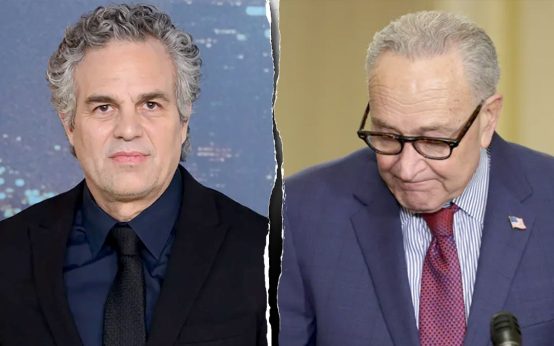 Mark Ruffalo Faces Backlash After Criticizing Sen. Chuck Schumer
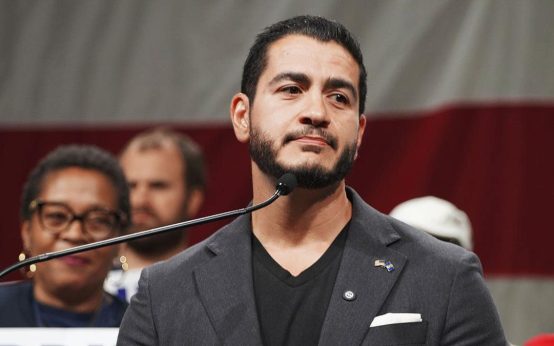 El-Sayed Questions Israel’s Identity as Democratic or Jewish State
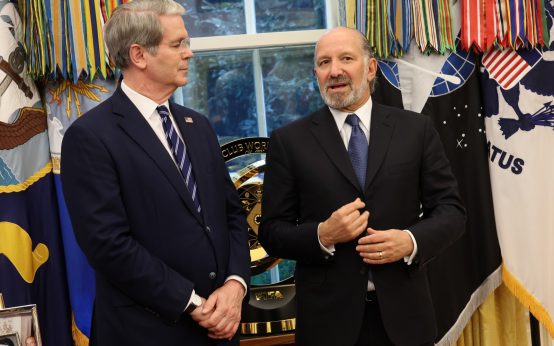 Tensions Rise Over AI Chip Exports to China Involving Trump Officials