Egyptian Football Association’s Response to Disputed Officiating
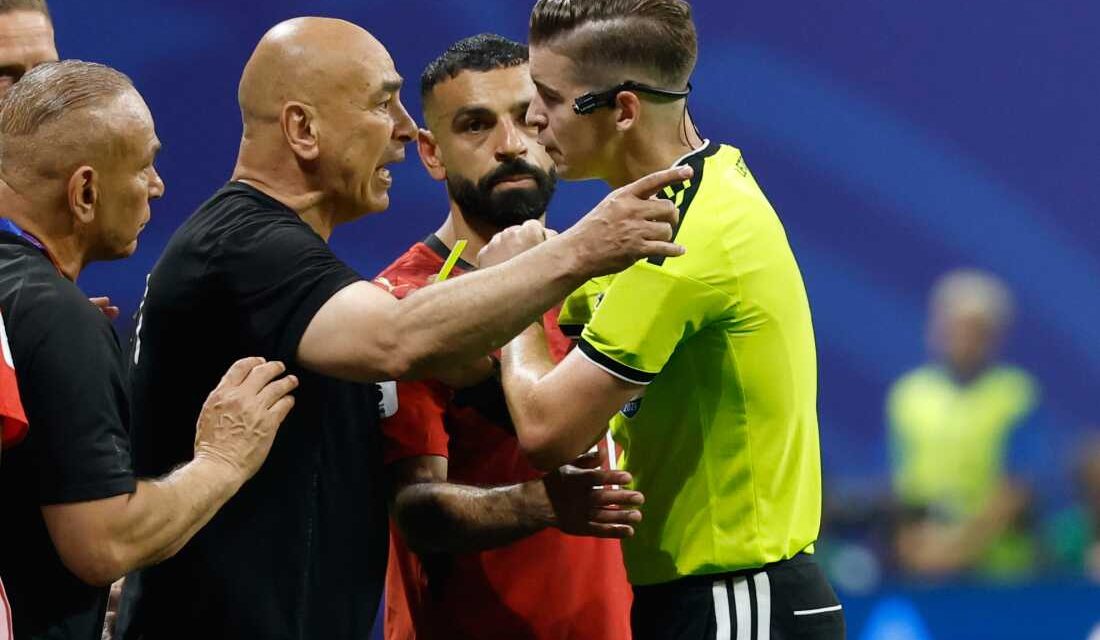
Egypt head coach Hossam Hassan engaged in a heated argument with referee Francois Letexier from France during the World Cup round of 16 match against Argentina in Atlanta. The match ended with a 3-2 loss for Egypt on Tuesday, July 7, 2026.
The Egyptian Football Association (EFA) publicly expressed dissatisfaction, claiming the officiating in the match was unfair and biased. The EFA released a statement on Wednesday emphasizing their responsibility to defend the rights and interests of the Egyptian national team.
“Defending the rights and interests of the Egyptian national team is not a matter that can be ignored, minimized, or treated as secondary,” the EFA declared.
FIFA’s chief of refereeing, Pierluigi Collina, responded to the criticism by defending the integrity of the FIFA World Cup match officials. Collina stated that while constructive discussion is welcome, unfounded allegations should not be made as they can lead to harmful reactions against referees and their families.
“Nobody can question the integrity of the FIFA World Cup match officials,” Collina remarked. “When this happens, it may provoke reactions that lead to threats against them and their families. This is not right.”
VAR Review Controversy
One major point of contention was the use of the Video Assistant Referee (VAR) system. Egypt’s potential second goal, scored in the 58th minute, was disallowed after a VAR review identified a foul by Egyptian player Marwan Attia on Argentina defender Lisandro Martínez.
The EFA raised serious concerns about the consistency and fairness of decisions. However, Collina defended the decision, explaining that VAR recommends an on-field review if a foul impacting the goal is detected.
“If a foul is identified in the build-up and is deemed to have had an impact on the goal, the VAR will recommend an on-field review,” Collina explained. “Attia clearly treads on the foot of Argentina No. 6 Lisandro Martínez.”
Collina emphasized that a foul detected by VAR can lead to intervention if the referee did not see it during live play.
Egypt’s Struggles and Argentina’s Comeback
Mostafa Ziko scored later to give Egypt a 2-0 lead. However, Argentina mounted a comeback when Lionel Messi assisted Cristian Romero in the 79th minute, which was the first of three unanswered goals.
Hassan signaled racial abuse after Argentina’s winning goal during stoppage time, holding his arms in an “X” shape. He accused the soccer establishment of favoring Messi and Argentina.
The dramatic end to the match included a red card for Egypt’s goalkeeping coach Saafan Elsaghir and several yellow cards for Egyptian players. Expert analysts supported Egypt’s concerns, highlighting the need for fairness and transparency in officiating.
“Every player who wears the Egyptian shirt, and every supporter who stands behind the team, deserves fairness, respect, and equal application of the laws of the game,” the EFA stated.
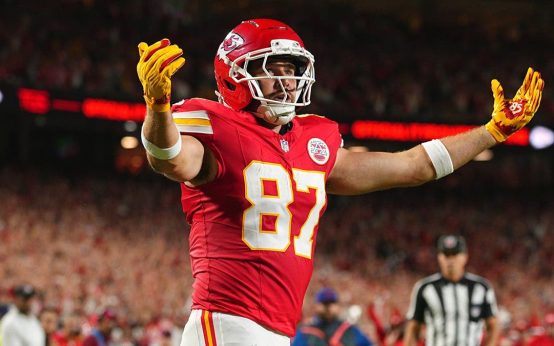 Travis Kelce Sparks Excitement at Arrowhead Stadium
 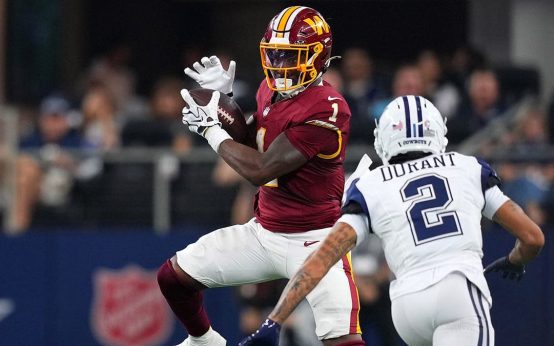 Dallas Cowboys Defeat Washington Commanders Amid Player Injury
 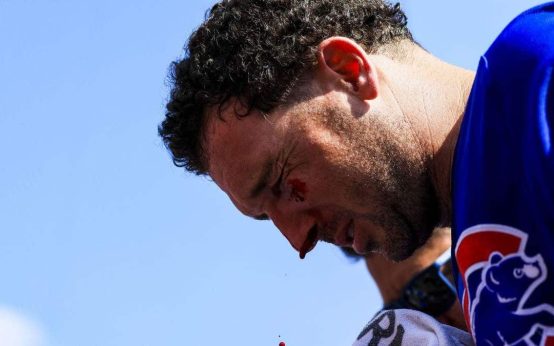 Chicago Cubs’ Alex Bregman Suffers Facial Injury from Foul Ball
 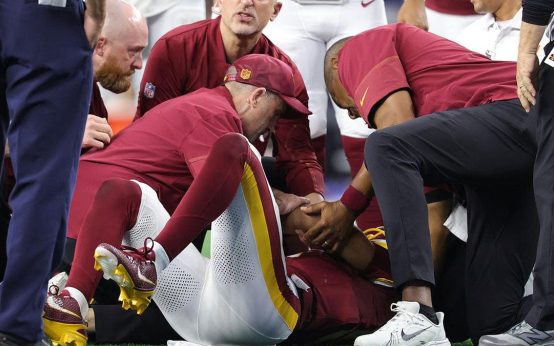 Washington Commanders Face Major Setback as QB Jayden Daniels Suffers Elbow Injury
 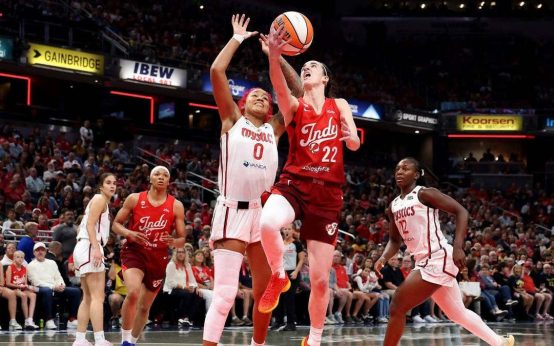 Indiana Fever’s Struggles Against Washington Mystics
 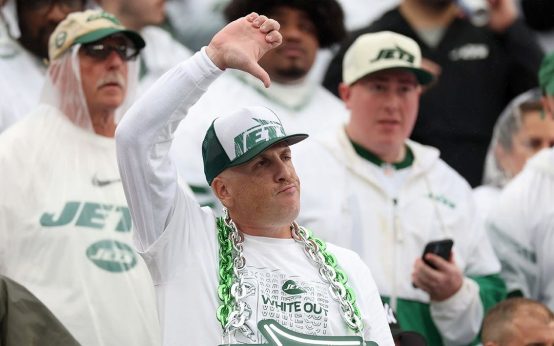 New York Jets Fall to Green Bay Packers After Fourth-Quarter Collapse