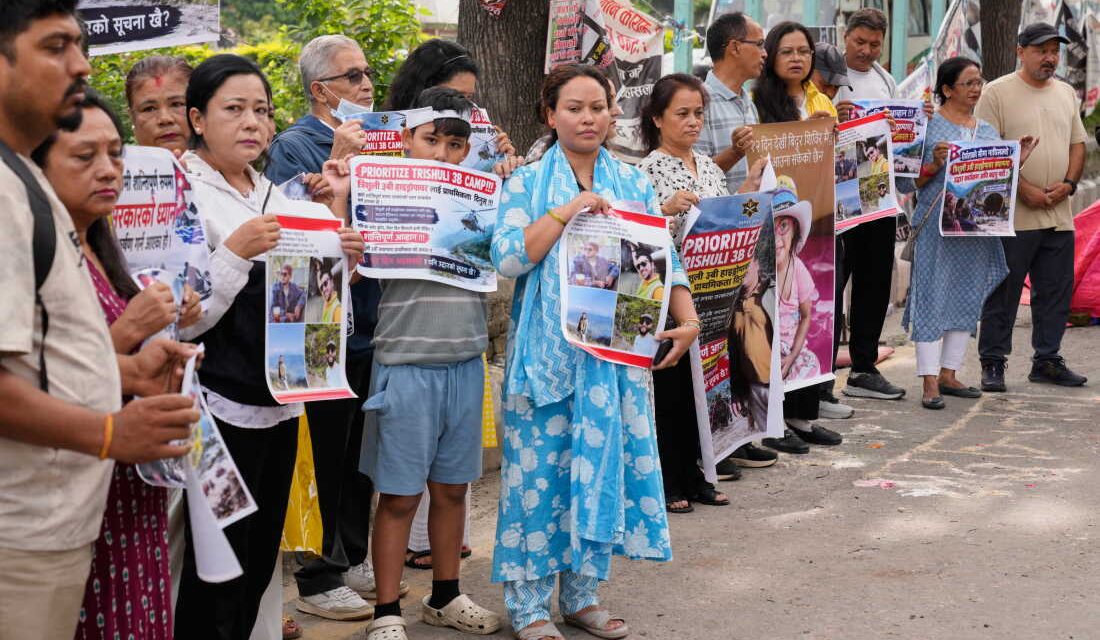
Flash Flood Victims and Public Demonstrations
On Monday, relatives of flash flood victims in Kathmandu, Nepal, held banners during a demonstration. They urged authorities to intensify efforts to locate their missing loved ones. This protest reflects the deep distress and urgency among families of those affected.
Contrasting Official Responses from Nepal and China
Following the devastating flash floods at the Nepal-China border on August 26, Nepalese authorities promptly released a list detailing the names, ages, and nationalities of hundreds of missing foreigners. In contrast, Chinese authorities delayed disclosing information, taking five days to confirm that 261 foreigners missing in Tibet come from 23 countries.
Twelve days later, information about the victims in Tibet remains scarce. Chinese authorities have imposed restrictions on reporting about the floods. Official reports from Nepal indicate over 1,300 deaths and nearly 5,000 missing individuals. Meanwhile, China reports over 40 dead and more than 500 missing.
Information Control and Media Censorship in China
David Bandurski, affiliated with the China Media Project, highlights how state-controlled outlets like Xinhua and CCTV dominate information dissemination. These platforms aim to guide public opinion. Although censorship is longstanding in China, Bandurski observes that controls have significantly tightened over the past decade.
Discrepancies in Access and Reporting
Rights groups tracking disaster relief efforts note stark contrasts between Nepal and China regarding media access. International observers and humanitarian organizations gained immediate access to flood-affected areas in Nepal. On the Chinese side, however, foreign journalists faced restrictions in Tibet.
Despite repeated requests, it took over a week for China to grant limited access to a small selection of foreign media outlets. NPR was not included. Reports suggest around 300 homes were destroyed in Gyirong County, yet casualty figures may exceed official claims. Tibetans from heavily impacted regions were moved to tightly controlled areas, curtailing outside communication and hindering local rescue operations.
Official Statements and Media Coverage in China
China’s foreign ministry hasn’t responded to NPR’s inquiries. During a prior briefing, spokesperson Guo Jiakun asserted that reports of understating casualty figures are unfounded. He claimed China released disaster details openly and promptly, denouncing smear and disinformation.
Chinese Media’s Coverage of the Disaster
China’s commercial media, although censored, historically had latitude to cover disasters. Professor Rose Luqiu of Hong Kong Baptist University notes that media outlets like Beijing News and Southern Weekly attempted independent reporting. However, they concentrated on interviewing tourists, avoiding direct engagement with affected locals.
Previously, media outlets defied bans to report on disasters, like the 2008 Sichuan earthquake. This approach contrasted with recent coverage, where outlets like Southern Metropolis Daily, known for investigation, reprinted Xinhua articles without additional reporting.
Bandurski notes that Chinese commercial media is now tightly controlled. Xi Jinping’s administration ensured such control over narratives and basic information.
Suppression of Independent Media Efforts
Spokesperson Guo denied allegations of video deletions and limiting firsthand accounts online. Yet Bandurski reports many flood-related videos were actively removed. Recently, Chinese authorities penalized individuals for disseminating what they termed as misinformation.
State media, including Xinhua and CCTV, have embedded journalists with rescue teams, chronicling their operations. Coverage emphasizes rescue logistics and government leaders’ swift reactions, overshadowing reports on affected individuals and communities.
 AI Fears Impact Trump-Xi Dialogue Amidst Challenges
  Venezuelan Leadership Highlights U.S. Relations
  Controversy Surrounds Piers Morgan Following Claims in Earl Spencer’s Memoir
  Ontario Synagogue Shooting During Yom Kippur
 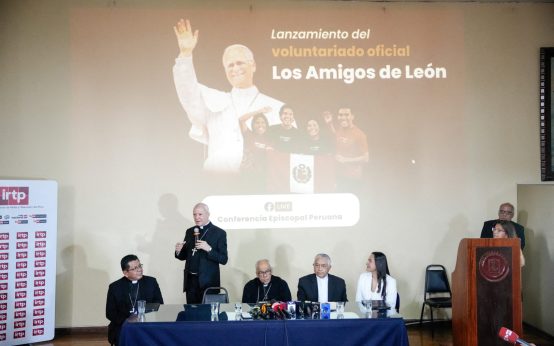 Pope Leo XIV’s Upcoming Visit to Latin America
 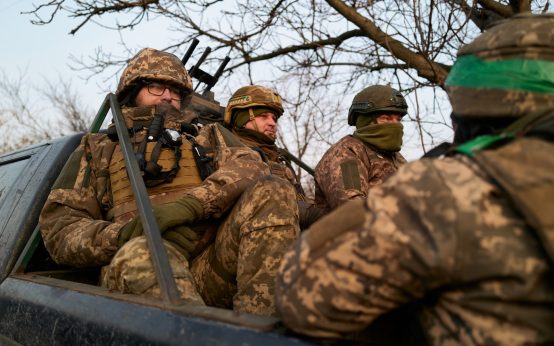 Ukraine Deploys Ground Robots in Operation Vivaldi