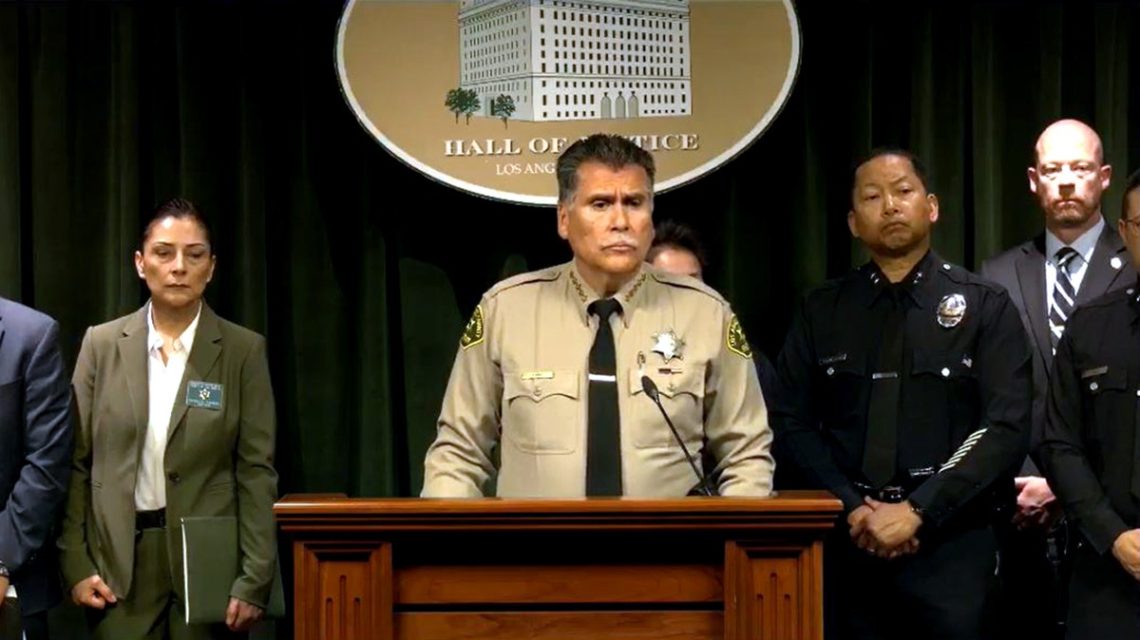
The Los Angeles County Sheriff’s Department (LASD) has addressed lengthy delays in processing concealed carry permits following a lawsuit by the Department of Justice (DOJ). This lawsuit accused LASD of leaving many applications unprocessed, forcing gun owners to wait for up to three years.
Federal officials announced the dismissal of the lawsuit after LASD implemented changes that align with California’s permitting timelines. The department added staff and new processing software to meet these deadlines.
This case placed one of the country’s largest law enforcement agencies under the spotlight of the Trump administration’s agenda to enforce Second Amendment rights. The DOJ hailed the resolution as a significant victory for LA County residents and gun owners.
Settlement Overview
The settlement concludes a case that began when the DOJ alleged LASD had excessive permitting delays, effectively denying constitutional rights. The lawsuit, filed in September 2025, was the first of its kind in support of gun owners’ rights.
Before the lawsuit, applicants faced an average wait of over nine months to get a permit decision. LASD has now reduced waiting times significantly, complying with state statutory deadlines.
The sheriff recognized the issue and allocated significant resources to drastically cut waiting times, and we commend their efforts,” said Assistant Attorney General Harmeet K. Dhillon.
Background of the DOJ Lawsuit
The DOJ launched its investigation in March 2025, questioning whether LASD was limiting residents’ rights to carry arms via long permit delays. At that time, the DOJ received numerous complaints about LASD’s handling of applications.
The lawsuit outlined that from January 2024 to March 2025, LASD received 3,982 new applications but approved only two by May 2025. The federal government highlighted an average wait of 281 days and a median delay of 372 days, with some applicants waiting as long as nearly three years.
California law mandates licensing authorities to issue a permit decision within 90 days, and the DOJ argued that LASD’s delays constituted a pattern of depriving people of their rights.
Implications of the DOJ’s Actions
The DOJ suit criticized LASD for delaying permits to law-abiding citizens, citing constitutional protections under the Second Amendment. The legal action paralleled separate suits by gun rights groups challenging restrictions on concealed carry permits in California.
These suits led to a preliminary injunction that allowed non-California residents to apply for permits. Consequently, California altered laws to accommodate qualifying non-resident applications.
The DOJ, influenced by the Trump administration’s expanded civil rights enforcement, formed a Second Amendment Section to contest firearms laws and ensure fair permitting practices.
Under the recent settlement, LASD will adhere to procedures that ensure processing under clear standards without delays. The DOJ praised Sheriff Robert Luna’s department for implementing new systems and staffing to tackle the backlog.
The DOJ also assured that its Second Amendment Section will remain open to receiving complaints regarding infringements on the right to bear arms.