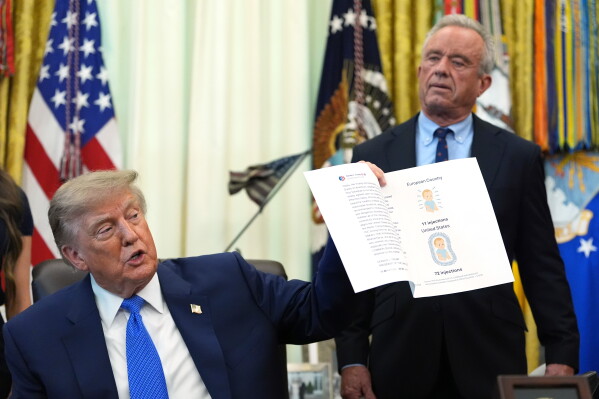
Medical professionals criticize President Donald Trump’s executive order on vaccines. They believe it may foster fear and confusion among parents during an outbreak of measles. With declining immunization rates and children returning to school, this order raises concerns.
Dr. Molly O’Shea, a Michigan pediatrician, emphasized the importance of vaccinations in back-to-school medical checkups. She condemned the order’s implications on vaccine safety and efficacy.
The order suggests separating the measles, mumps, and rubella (MMR) vaccine into three single-disease vaccines. It also recommends administering all childhood vaccines at different appointments. These changes were previously attempted by Trump’s health department but were blocked by a federal judge.
The health department is led by Robert F. Kennedy Jr., an anti-vaccine movement leader. Trump has often suggested a link between vaccines and autism spectrum disorders, despite numerous studies disproving this connection over decades.
Experts Reject Claims and Highlight Risks
Dr. Paul Offit, a vaccine researcher, criticized Trump and Kennedy’s recommendations as lacking scientific basis. He highlighted that these suggestions sow chaos, leaving parents uncertain about vaccination protocols.
Before signing the order, Trump called the current MMR vaccine “lethal.” His statement sparked strong criticism from doctors who asserted the vaccine’s extensive safety record. The diseases the vaccine addresses pose a much greater threat.
Dr. O’Shea noted there is no scientific or immune-based rationale for separating the vaccines. Administering them together enhances immune response.
Currently, separate vaccines for measles, mumps, and rubella do not exist in the U.S. The executive order instructs the health department to plan for offering these as individual vaccines. Trump spokesperson Kush Desai argued this would give parents more scheduling options, potentially boosting vaccine uptake.
Doctors expressed frustration at Trump reviving debunked autism theories. Autism rates have climbed, partially due to broader definitions. Genetic and environmental factors also contribute, with no evidence of a vaccination link.
Confusion from Competing Schedules
The executive order introduces confusion over vaccine schedules, doctors noted. During Trump’s first year, Kennedy attempted to change immunization guidelines, replacing a vaccine advisory panel. His changes recommended injections for 11 diseases, with additional vaccines decided with a doctor’s input.
The American Academy of Pediatrics maintained its guidance to protect against 18 diseases by 2026. Dr. O’Shea praised this thoughtfully designed schedule for aligning with children’s immune readiness.
Insurance coverage, through Medicaid, CHIP, and private plans, should cover vaccines, as confirmed by Chris Regal from AHIP.
Concerns About Rising Vaccine Hesitancy
Pediatricians anticipate more inquiries from parents amid rising skepticism. However, they fear hesitancy might continue. Federal data shows declining vaccination rates among U.S. kindergartners, with exemptions reaching a peak in the 2024-25 school year.
Experts worry families may defer or space out vaccines, risking preventable diseases between appointments.
Michael Osterholm of the University of Minnesota stressed the need for evidence-based guidance to maintain confidence in vaccinations. Conflicting messages erode this trust, potentially harming children.
The Associated Press Health and Science Department receives support from the Howard Hughes Medical Institute and the Robert Wood Johnson Foundation. The AP is responsible for all content.
 Addressing Congressional Spending Habits
 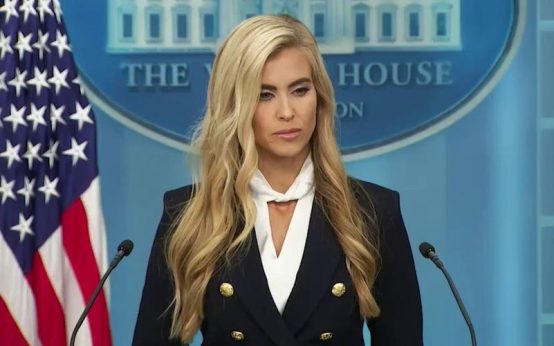 White House Confirms Guilfoyle’s Resignation as Ambassador
  Indiana State Senate 6th District Faces Leadership Change
 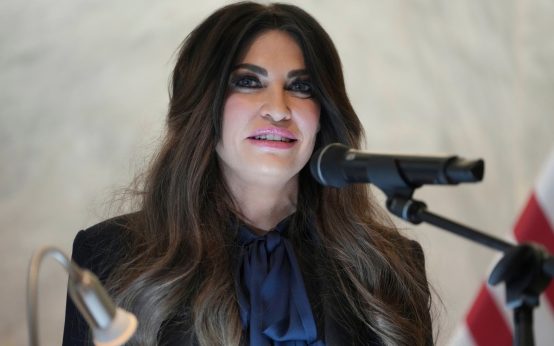 Kimberly Guilfoyle Asked to Resign as U.S. Ambassador to Greece
 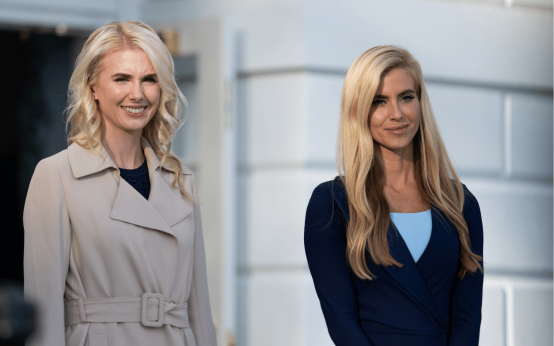 Katie Zacharia Steps into Role as Trump’s New Press Secretary
  Ambassador to Greece, Kimberly Guilfoyle, Asked to Resign Amid Allegations