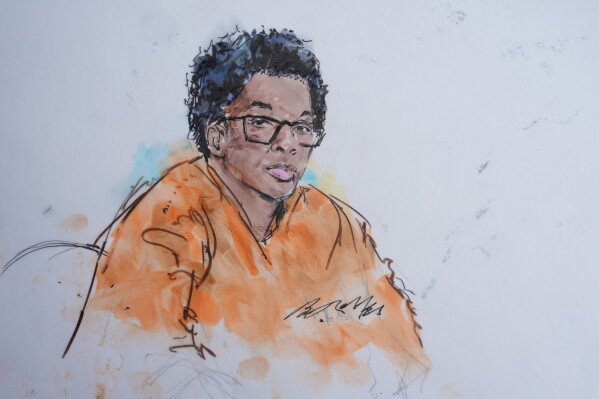
In Los Angeles, a DNA expert testified about crucial evidence in the case against indie-pop singer D4vd. The evidence consisted of DNA traces found at his Hollywood home, alleged to match those of 14-year-old Celeste Rivas Hernandez. Authorities accuse D4vd of murdering and dismembering the girl after she threatened to disclose their relationship, potentially harming his career.
Detectives collected samples from various items in the garage of D4vd’s home. Samples were taken from a rubber floor mat, a rowing machine, and a Tesla charger. Testimony from Los Angeles police criminalist Samantha Tosch indicated the samples matched Rivas Hernandez’s DNA.
Preliminary Hearing Developments
The testimony was given during the third day of a preliminary hearing determining if D4vd will stand trial on charges of murder, child sexual abuse, and body mutilation. D4vd has pleaded not guilty, with his legal team prepared to defend him rigorously.
Tosch highlighted that the DNA evidence analysis showed the samples were “one septillion times more likely” to be from Rivas Hernandez compared to anyone else. This figure equals a number with 24 zeros.
Earlier court filings mentioned the presence of DNA evidence, but this hearing was the first time it was presented publicly. DNA testing investigated various items, including a trash bag in the garage containing cleaning wipes stained with Rivas Hernandez’s DNA.
Challenges to DNA Evidence
Additional police testimony revealed that many stains in the garage were not visible until a chemical test illuminated them. The defense questioned Tosch about the certainty of whether the DNA came from blood, or through other means such as touch. She conceded the DNA origin and duration of presence could not be precisely determined.
Berk, D4vd’s lawyer, scrutinized the investigation’s focus. She inquired why further DNA tests on other items were not conducted, such as small chainsaws found in the garage. LAPD criminalist Lauren Wallace testified that lack of initial blood signs led to handles not being swabbed for DNA.
Defense Strategy and Prosecution Claims
The defense is exploring alternative narratives about Hernandez’s death and the discovery of her dismembered body in D4vd’s vehicle months later. The legal team queried prosecution witnesses about possibly overlooked testing areas in D4vd’s home and car.
D4vd, known for his music with dark themes, faced these charges following the release of his album, “Withered,” two days after the claimed murder date. In court, he remained composed, interacting with lawyers during recesses.
Prosecutors outlined intentions to demonstrate D4vd initiated a sexual relationship with Rivas Hernandez at age 13. They allege jealousy over his interactions with others led her to threaten his career. The prosecution claims D4vd arranged to have her transported to his residence on April 23, 2025, and killed her upon arrival.
 Family Remembers Cook County Judge Raymond Myles During Sentencing Hearing
  Foster Facility Manager Sentenced for Sexual Assault
  Former Cornell Student Sues University Over Alleged Sexual Assault
  Juror’s Stand Leads to Mistrial in Lindsay Clancy Case
  Maryland Parents Arrested After Infant’s Death with Severe Injuries
  Jury Deliberations in Lindsay Clancy’s Murder Trial Stir Controversy