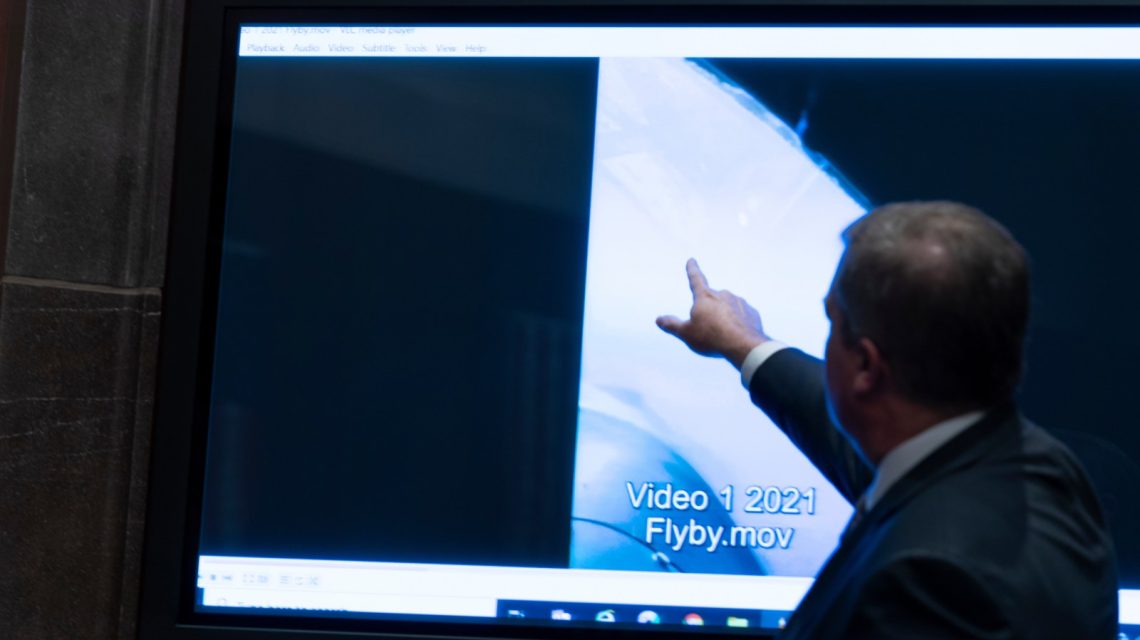
Government Transparency Initiative
The Department of Defense announced a legal waiver for disclosing Unidentified Anomalous Phenomena (UAP) information. This waiver is for current and former military personnel, civilian employees, and contractors. They can now share information with the Presidential Unsealing and Reporting System for UAP Encounters (PURSUE).
This step comes amidst growing interest in UAP investigations following congressional hearings and whistleblower reports. The release of previously classified records contributed to this interest. UAP witnesses once faced concerns about legal penalties or administrative repercussions for speaking out.
With the waiver, they can share UAP-related information without violating secrecy agreements.
PURSUE’s Role
The new process establishes a formal way to review, evaluate, and potentially declassify UAP information. Supporters push for legal protections, believing it will encourage insiders to share vital information. This could help lawmakers and the public understand unexplained incidents better.
Dr. Julia Mossbridge praised the initiative’s transparency efforts as positive steps forward.
She highlighted organizations advocating for full transparency, such as the Public Interest Declassification Board and others. The goal is more disclosure and understanding.
Previous Restrictions
Before the waiver, personnel with classified UAP information were bound by non-disclosure and Special Access Program Indoctrination Agreements. These agreements deterred sharing due to potential legal issues.
The waiver removes enforcement provisions for disclosures to PURSUE representatives. However, it does not allow unrestricted public disclosure. The information undergoes security reviews and may be declassified for wider release.
Recent UAP Disclosures
The Department of Defense published its fifth release via PURSUE, including civilian UAP sightings.
Reports included thermal video footage and other UAP encounters. Prominent figures like David Grusch and others have pressed for stronger whistleblower protections and transparency.
Grusch testified before the House Oversight Committee, sharing concerns about alleged secret UFO programs. His statements emphasized potential advances from studying alien technology.
Grusch hopes revelations from investigations will lead to technological progress and a reassessment of priorities.
He aims for global cooperation through increased knowledge and curiosity.
Additional testimony from former Navy commander David Fravor and others supported the call for safe information sharing.
Focus on Disclosure
The waiver aims to let individuals share UAP program knowledge without legal consequences. As the new mechanism takes effect, attention will focus on more witnesses coming forward. The declassification process may reveal previously undisclosed records.
 Animal Self-Medication Insights
  Carlo Rovelli’s Perspective on Physics and Ultimate Reality
  Ancient Ring Offers New Insight on Pontius Pilate’s Authority
  Lost City Linked to Jesus Discovered Near the Sea of Galilee
  Genetic Study Links Personality Traits to Health Outcomes and Life Patterns
 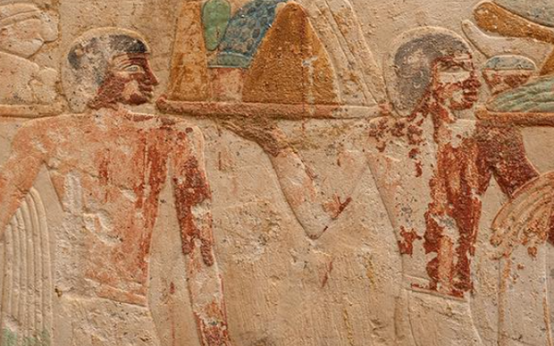 Archaeological Discovery of Ancient Tomb Near Cairo