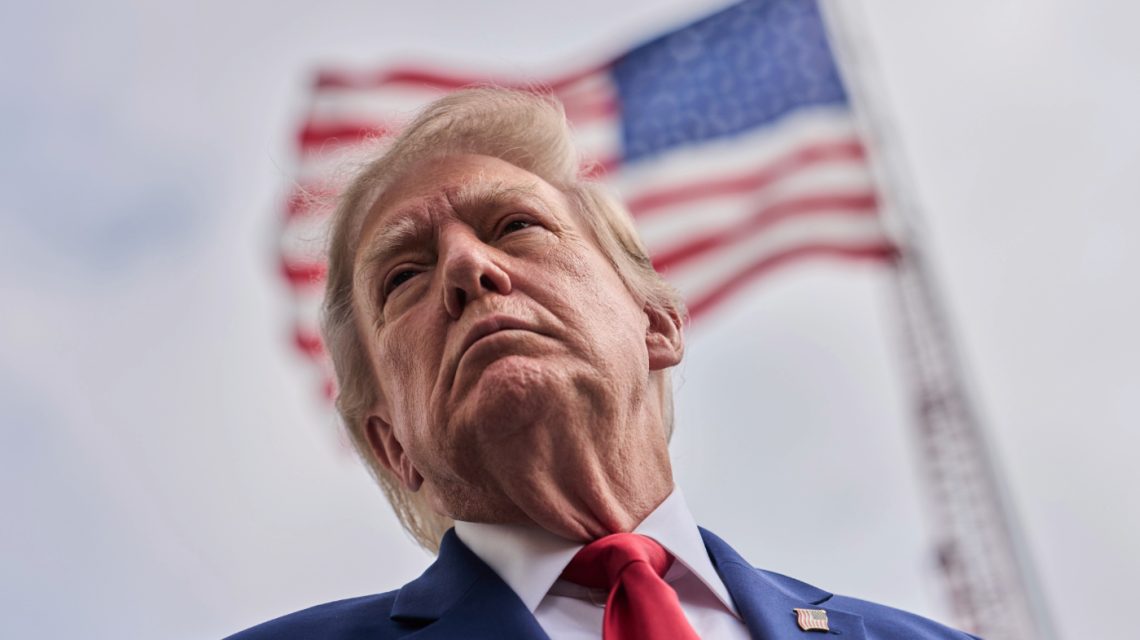
The American flag flutters as President Donald Trump speaks to reporters on the South Lawn of the White House on October 16, 2026. The 2026 midterm elections saw ad spending surpass $11.21 billion, exceeding the 2024 presidential cycle’s $11.2 billion. Campaigns flooded various media with ads, marking the 2026 cycle as inescapable. Yet, despite this financial effort, Republican plans to address Trump’s economic issues failed to convince voters.
The Republican Party entered the midterms with the burden of an unpopular president and a significant affordability crisis. The election ultimately alienated many voters gained in 2024. By midnight, predictions of a Democratic wave proved accurate. Democrats secured key Senate wins in states like Kansas, Iowa, Texas, Ohio, South Carolina, and North Carolina.
In Texas, James Talarico defeated Trump’s nominee, Ken Paxton, by nearly 20 points. Georgia witnessed Keisha Lance Bottoms becoming the first Black female governor, a significant shift for a state once central to the Confederacy. The Democratic triumph was undeniable, even leading Trump to concede the election results as legitimate. Trump acknowledged the need to work with Democrats, marking a notable shift.
The election’s impact extended to the Republican base, causing cracks in the MAGA movement. Florida Governor Ron DeSantis publicly differed from Trump on key issues a day before the vote. Long-standing Trump allies like Rep. Scott Perry lost their seats, highlighting Trump’s declining influence. Moving into 2027, Trump faces fewer allies in Congress, leaving him in a vulnerable position.
For Democrats, these elections vindicated their strategy. They rebounded from their 2024 defeat by focusing on Trump’s economic and foreign policy failures. The Democrats communicated effectively, addressing the concerns of diverse voter groups, including Latinos and young people. Their message emphasized that Trump was making citizens poorer, resonating with voters across different demographics.
Exit polls from the Associated Press indicated that affordability and corruption were top concerns for voters. Most Americans blamed Trump for worsening their circumstances. The results revealed the Republican Party’s struggles to answer these crises. Their challenge compounded by voter disillusionment and a demoralized base. Republicans now face the dilemma of moving beyond Trump, a figure who maintains his spotlight hold. The stage is set for the political battles leading up to 2028.
 Trump Dismisses Third Impeachment Prospects
 Custody Dispute Involving Rep. Max Miller Delayed
 Attorney General Addresses Post-Midterm Democratic Threats
 Senator Elizabeth Warren and the Future of Crypto Regulation
 Bipartisan Opportunities in Foreign Policy
 Political Shifts and Concerns Post-Midterms