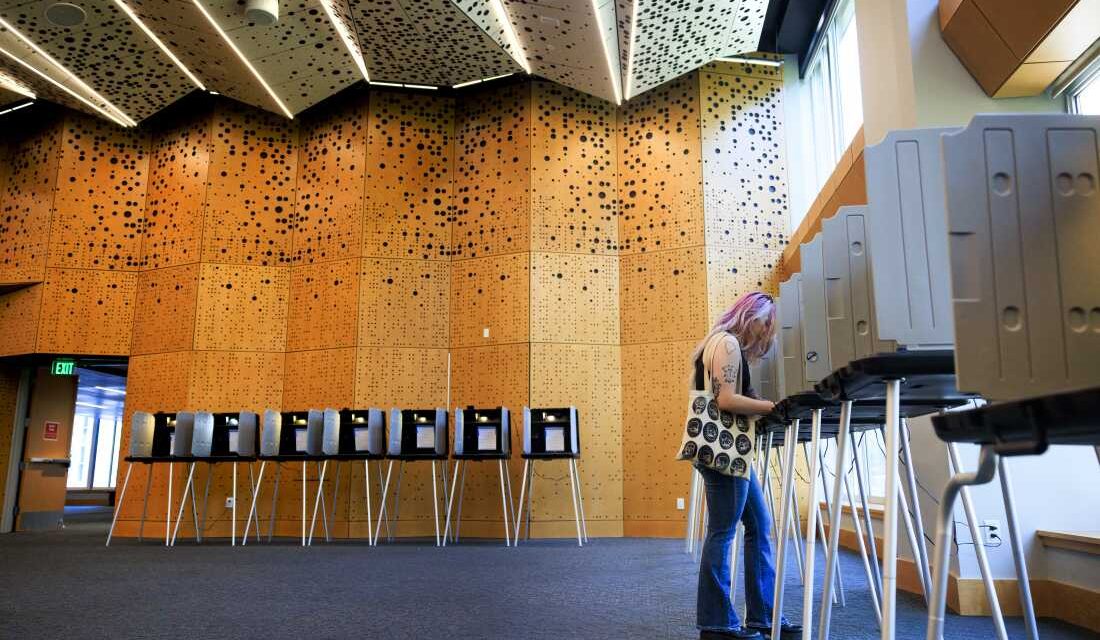
In the recent Colorado primary election, held at Denver’s Central Library on June 30, Democratic candidates have largely focused on economic concerns, especially high prices affecting working individuals. This focus on affordability is a strategy many believe will help Democrats regain power in Congress.
However, some within the party think candidates should also address democracy, especially with President Trump questioning the integrity of elections without evidence. Jane Kleeb, vice chair of the Democratic National Committee, emphasized that Democrats should discuss the integrity of U.S. elections, particularly after Trump’s recent accusations of electoral misconduct.
As Democrats, we have to keep on showing that we are fighting on all of those fronts, that we are not ceding any ground, and that we’re not talking like robots.
A report from California researchers suggests that focusing too much on democracy might deter working-class voters. Many activists worry it might distract from issues voters prioritize, such as housing, groceries, and healthcare costs.
According to Lindsay Owens, president and CEO of Groundwork Action, Democrats should emphasize President Trump’s economic mismanagement. Polls indicate a shift in voter trust towards Democrats on economic matters, marking a significant change in over 15 years.
Owens highlighted the Republicans’ policies exacerbating inflation and urged Democrats to capitalize on affordability issues during the elections. Amanda Litman from Run for Something believes Democrats should focus on the economy and address democracy-related concerns later. She stated that complex arguments linking gerrymandering to affordable housing aren’t appealing to voters.
It’s a really hard sell for someone to hear ‘ending gerrymandering will make your housing more affordable.’
Despite differing opinions, Kleeb denied a binary choice between economy and democracy. She reflected on lessons from the 2024 elections, where democracy discussions proved motivational, even if not explicitly revealed in polls.
Nathan Johnson, running for Texas attorney general, noted that democracy discussions lacked definition, with voter suppression not dominating public attention compared to everyday economic concerns.
Johnson suggested linking democracy with economic issues to show voters their intertwined nature. Malcolm Kenyatta, a Pennsylvania state representative, echoes this approach, highlighting corruption linked to economic struggles.
The cost-of-living crisis is in many ways a direct result of the endless corruption and the intent of blowing up our institutions to make that corruption even easier.
Litman noted that young people often feel disconnected from democracy, impacting campaign effectiveness. Melissa Toufanian from Navigator Research stated messaging on voting issues has varied effects depending on demographics.
Her firm surveyed 1,000 infrequent Democratic voters, revealing mixed responses to election fraud discussions. For some, these issues motivated voting, but for others, especially younger Black and older Hispanic voters, it had a demotivating effect.
 A Mother’s Tragic Journey Under Abortion Ban
  U.S. Strategic Goals Remain Unmet Amid Prolonged Conflict
  The Impact of Arts and Closure on Democracy
 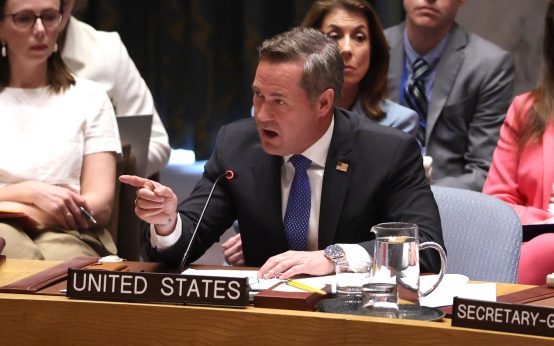 U.S. Ambassador Comments on Iran War Duration Amid Political Concerns
 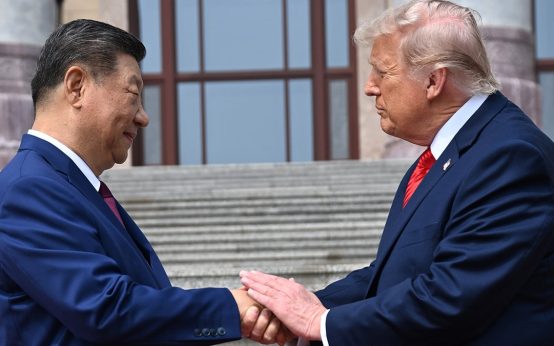 US-China Relations Under Scrutiny: Expert Warns of Escalating Tensions
  No Timeline for End of Iran Conflict