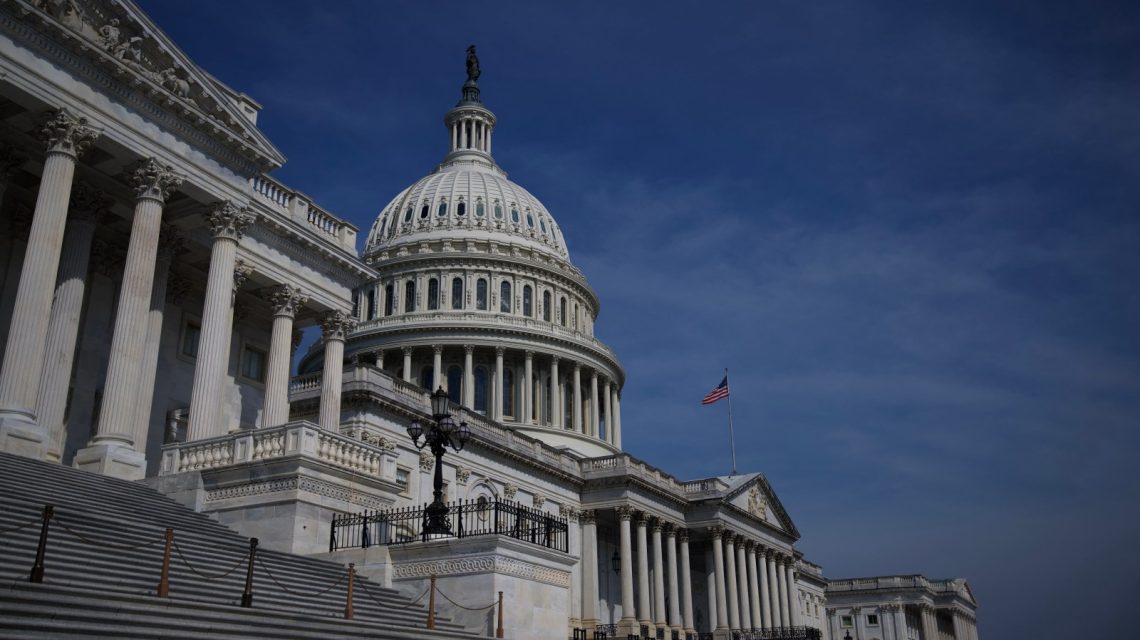
Republicans face challenges in the upcoming Senate elections, with forecasts indicating a disadvantage in nine out of twelve competitive races. Nate Silver’s Silver Bulletin shows Democrats leading in several states, including North Carolina, Georgia, Minnesota, Maine, Ohio, New Hampshire, Michigan, Texas, and Alaska. Republicans hold leads in Iowa, Kansas, and Florida.
Democrats need to overturn four Republican seats and retain all their current seats to gain Senate control, currently held 53-47 by Republicans. Silver’s averages suggest Democrats are leading in the four required GOP-held races, positioning them close to their goal with minimal margin for mistakes. These insights align with the Cook Political Report, which moved six battleground races towards Democrats’ favor since April.
South Carolina Senator Tim Scott, chair of the National Republican Senatorial Committee, remains optimistic about Republicans maintaining Senate control. Scott voiced concerns about the Democrats, describing them as dangerous and radical.
Democrats argue that the Senate map provides them multiple avenues to secure a majority, emphasizing their candidates’ focus on affordability and health care.
Six Key Democrat Target States
North Carolina: Democratic candidate Roy Cooper maintains a significant lead over Republican Michael Whatley. Cooper, a two-term governor, has extensive political experience, contrasting with Whatley, who lacks ballot experience. Polls show Cooper with a strong advantage, and his fundraising exceeds Whatley’s by a substantial margin.
Maine: Democratic challenger Troy Jackson faces Republican incumbent Susan Collins. Polls indicate a tight race, with Jackson maintaining a narrow lead in some surveys. Trump’s influence poses challenges for Collins, as his policies have affected her popularity.
Ohio: Sherrod Brown aims to win back a seat lost in 2024. Brown faces Republican Jon Husted, and the polls indicate a competitive race. Brown is viewed favorably in Ohio, a state where Democrats have had limited statewide success.
Texas: This race is closely monitored due to its unusually competitive nature for Texas. Democratic candidate James Talarico challenges Republican Ken Paxton. Polls vary, with both candidates showing close numbers. Talarico’s economic message resonates with working-class voters.
Alaska: Democrat Mary Peltola leads a challenging race against Republican Dan Sullivan. Alaska’s ranked-choice voting adds complexity, but Peltola consistently shows strength in recent polls.
Iowa: Republicans hold a slight lead with Ashley Hinson against Democrat Josh Turek. No Democrat has claimed a Senate seat here since 2008, and trade issues impact voter opinions.
Other Races to Watch
Outside these six main targets, Democrats hope to maintain their lead in Michigan and New Hampshire. Georgia and Florida present potential opportunities, though they remain difficult to conquer.
The Kansas race is unexpectedly competitive despite Trump’s previous success there. Florida’s Senate race remains challenging with Republicans currently retaining strong control.
Elections on November 3rd will reveal whether these trends hold. Observers note possibilities for unexpected developments as broader shifts in voter understanding emerge.
 Details on Trump’s Response After WHCA Dinner Incident
  Political Influence over NIH Grantmaking Concerns
  Protest Following ICE Shooting in Austin: Investigation into Organized Activism
 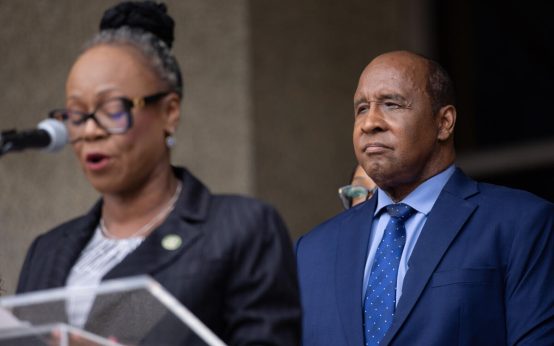 Inglewood Mayor Faces Allegations Amidst Political Turmoil
  Mayor Mamdani’s Strategic Engagement with President Trump
 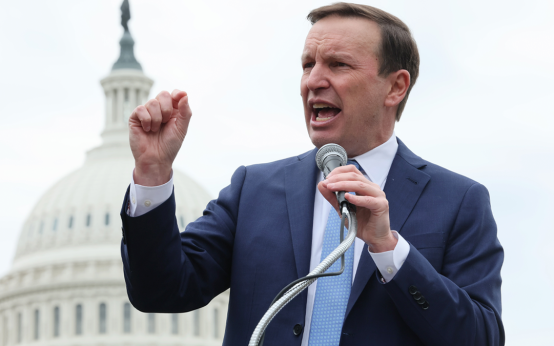 Senator Murphy Calls for Internet Regulation to Prevent Influence of Demagogues