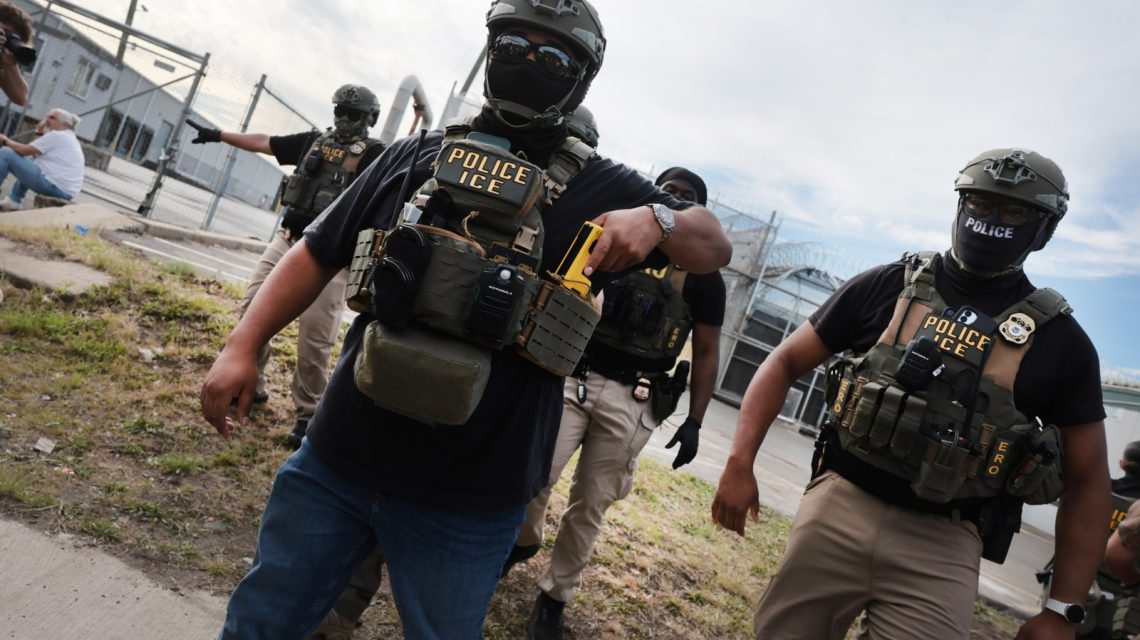
Six Democratic members of Congress who supported a funding bill for the Department of Homeland Security (DHS), which included allocations for Immigration and Customs Enforcement (ICE), retained their seats following Republican challenges in the midterm elections. This occurs as Democrats gain control of both the House and Senate, raising questions about whether the party will seek to limit or repeal ICE funding with its new majority.
The election outcome further reflected a difficult night for President Donald Trump and the Republican Party, as the Democrats’ victory resulted in a shift of power in both chambers. The shift has implications for Trump’s policy agenda, particularly his administration’s stringent immigration enforcement.
With the new Congressional majority, Democrats possess potential leverage to scrutinize the administration’s immigration policies, assess ICE operations, and explore funding limitations for the agency. Particular focus has been drawn to the six Democrats who supported the DHS funding including ICE allocations while successfully defending their seats.
“Congress has an obligation to fund federal agencies that provide essential public services and resources to all Americans,” stated Congressman Vicente Gonzalez.
The reelected Democrats include Don Davis in North Carolina, Vicente Gonzalez and Henry Cuellar in Texas, Tom Suozzi and Laura Gillen in New York, and Marie Gluesenkamp Perez in Washington. Each faced and overcame challenges from Republican opponents.
In North Carolina, Don Davis led Laurie Buckhout with a 10,305 vote margin. In Texas, Gonzalez held 34th District with approximately 99% of the vote counted, and Cuellar secured his reelection in the 28th District with a robust margin. In New York, Suozzi and Gillen retained their respective seats with comfortable leads. In Washington, Gluesenkamp Perez won against State Senator John Braun.
The funding bill drew stark responses from progressives who felt the legislation insufficiently reined in Trump’s immigration enforcement activities. Some Democrats, including Gillen and Gonzalez, voted against a similar measure in March, emphasizing the importance of supporting critical agencies like FEMA alongside budgetary concerns.
“Strong, reliable support for disaster relief is non-negotiable,” explained Don Davis when discussing the funding bill.
Henry Cuellar, who holds a prime role on the House Appropriations Subcommittee on Homeland Security, defended his support for the bill, citing necessary oversight of ICE coupled with maintaining funding for key agencies. Jared Golden of Maine, who announced he would not seek reelection, emphasized the need for federal law enforcement funding while expressing regrets over perceived support of ICE-related issues.
As Democrats anticipate assuming control, the legality of altering ICE fund allocations through Congress becomes more complex. Existing multi-year funding agreements, such as The One Big Beautiful Bill Act and the Secure America Act, have set substantial budgets for ICE and its activities. Revoking these funds requires new legislation to rescind or restrict those appropriations.
The legislative avenue to achieving change would generally involve passing new House bills with a simple majority, while Senate procedures usually necessitate overcoming filibusters, requiring 60 votes. Additionally, any measures merit presidential approval or enough congressional support to override a veto.
Budget reconciliation offers a strategic path to bypass typical Senate vote thresholds; however, this method is bound by budgetary constraints and cannot uniformly apply to any intended policy revision.
The current challenge for Democrats, even with legislative control, involves navigating these procedural complexities to address ICE funding, ensuring critical aspects of governance are maintained, while addressing opposition to their immigration enforcement practices.
 Jewish Activist Criticizes Event Cancellation at CUNY School
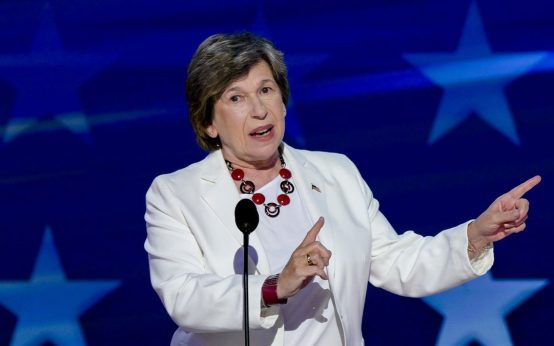 Debate on School Choice in Texas Elections
 Amy Klobuchar Takes On Governorship with Promises for Minnesota’s Growth
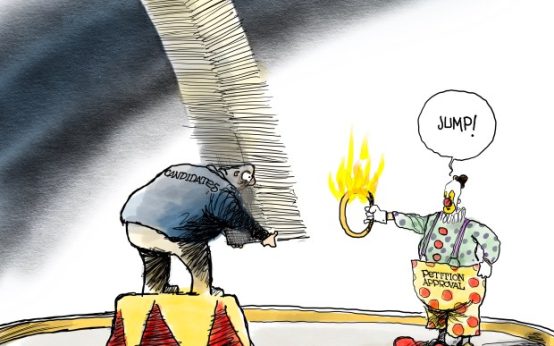 Challenges of Signature Requirements for Political Candidates in Illinois
 Debate Rekindled Over Gray Wolves and Livestock Losses
 White House Faces Backlash Over Controversial Video