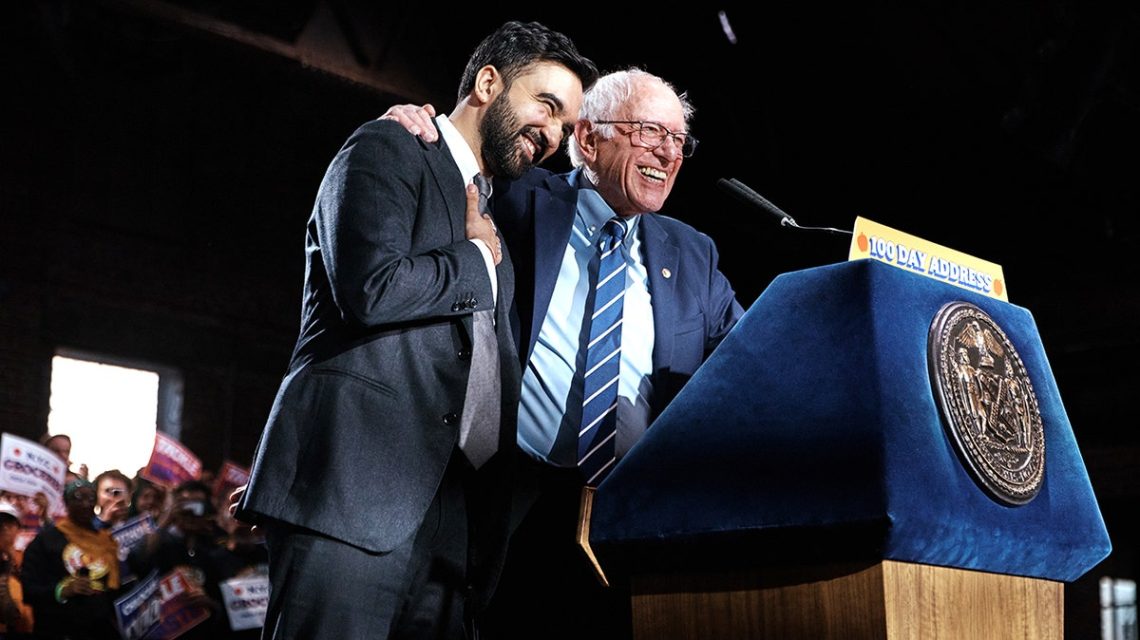
The Democratic Party is experiencing a shift as Democratic socialism gains a significant influence, moving from a fringe idea to a governing force. This change has sparked a debate within the party about its direction and priorities.
Rising Influence of Democratic Socialists
The Democratic Socialists of America (DSA) have rapidly expanded their influence within the Democratic Party. In recent elections, their presence has grown from minimal to substantial. A notable example is New York City, where Mayor Zohran Mamdani, a DSA supporter, now holds office. The DSA is promoting drastic policy changes, including a proposal to abolish the U.S. Senate, signaling a shift towards more radical ideologies.
The DSA’s Demographic and Election Performance
While the DSA advocates for socialist policies, their demographic support does not align perfectly with their messaging. For instance, during elections in New York City, Mamdani initially struggled to secure support from Black and brown voters, key demographics his movement claims to represent. He faced significant challenges in lower-income areas, highlighting the gap between DSA ideals and voter priorities.
In New York’s 13th Congressional District, DSA candidate Darializa Avila Chevalier defeated a long-term incumbent, yet succeeded mainly due to support from younger, college-educated voters, rather than the working-class Hispanic base of the district. This pattern suggests that the DSA’s influence is heavily reliant on a specific demographic that does not reflect the broader community.
Internal Criticism and Challenges
Criticism from within the Democratic Party has emerged, focusing on the DSA’s policies and approach. Some Democratic leaders and analysts warn that DSA’s strategies may alienate key voter groups. Notably, a senior advisor to Mamdani’s campaign sparked controversy by labeling Black homeownership as a tool of white supremacy, leading to backlash from community leaders.
A 2021 internal survey of the DSA revealed that its membership is predominantly white and highly educated, which raises questions about its claim to represent working-class interests. This demographic disconnect is a critical issue for the DSA as it seeks to gain broader support.
Democratic Concerns Over DSA Agenda
The DSA’s policy proposals, including abolishing the police and prisons, have stirred debate. Critics argue these policies undermine public safety and property rights, with potential negative impacts on minority communities. The National Black Empowerment Action Fund has invested significantly in campaigns against such agendas, stressing their potential to reverse social and economic progress for Black Americans.
Political Implications and Future Outlook
Republican observers, including former communication figures like Harrison Fields, note that the DSA’s rise might threaten the Democratic Party’s broad coalition, potentially benefiting Republicans electorally. However, concerns extend beyond partisan politics. The potential consolidation of socialist policies within a major American party poses broader implications for the U.S. political landscape.
The debate highlights the tension within the Democratic Party as it navigates ideological divides. For the party to maintain electoral viability, it may need to reconcile its socialist and moderate factions to align more closely with the interests of diverse voter bases.
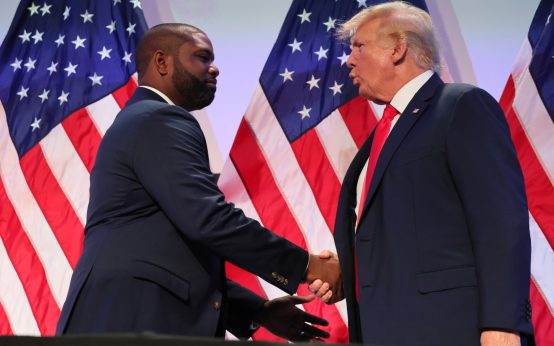 Byron Donalds Adjusts Campaign Strategy as Florida Governor Race Intensifies
  Trump’s Engagements at the UN: Focus on Ukraine and White House Developments
 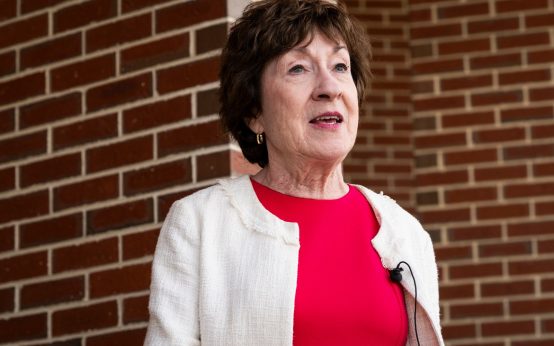 Collins Faces Scrutiny in Tight Maine Senate Race Amid Donor Allegations
 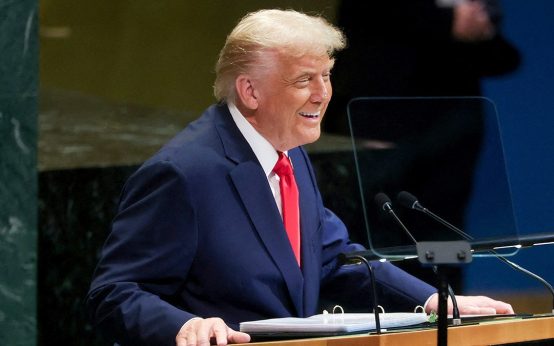 Trump’s Vision for Global Security: Iran, AI, and the Role of the U.S.
  Nevada Attorney General Faces Questions Over Clemency Bid
  Trump Administration’s Crackdown on ACA Coverage