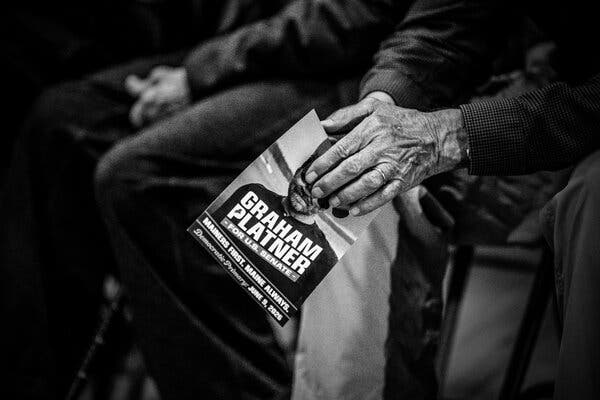
Recently, the Democratic Party encountered a setback with the suspension of Graham Platner’s U.S. Senate campaign in Maine. A Marine combat veteran and oyster farmer, Platner attracted significant attention by inspiring large crowds and earning an endorsement from Bernie Sanders. However, his campaign collapsed following a rape allegation, which he denies. This situation left Maine Democrats rushing to find a replacement candidate before the state’s deadline, jeopardizing their chances of gaining a critical Senate seat.
This incident highlights not only the importance of a rigorous candidate vetting process but also the need for the party to focus on substantive goals rather than charismatic personalities alone. The enthusiasm that surrounded Platner, evident in his ability to mobilize large gatherings and engage volunteer support, underscores a broader desire within the party for genuine leadership.
While Democrats recognize the necessity for fresh, charismatic, and young candidates, the party’s strength relies on being inclusive and open to differing viewpoints. Demonstrating a commitment to broad and constructive debates is essential, as voters can discern between genuine coalitions and superficial consensus.
In the midst of the current midterm cycle, the party has missed opportunities to actively discuss and promote its core beliefs. Key issues such as immigration, housing costs, public education, and the societal impact of artificial intelligence have been inadequately addressed. Voters continually express a desire for actionable change, growing weary of perceived management without true progress.
Surveys, like those conducted by Associated Press-NORC, reveal discontent among Democrats, with many labeling the party as weak or ineffective. Only around 70% of Democrats view the party positively, a notable decline from previous levels. Its favorability rating among the general electorate remains below 40%.
An internal review conducted by the Democratic National Committee in May provided further evidence of the party’s challenges. Instead of offering clear insights and future direction, the report mirrored an incomplete effort, failing to capitalize on a moment to redefine the party’s path forward.
 U.S. Considers Belarus for Potash Purchases to Cut Fertilizer Costs
 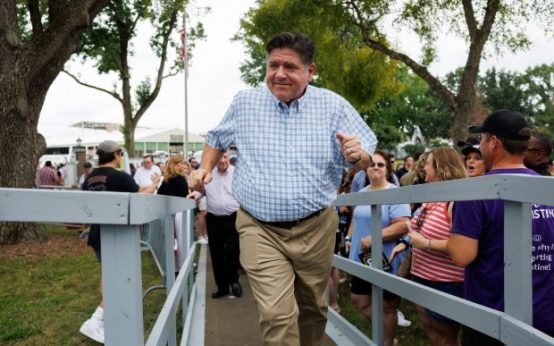 Gov. JB Pritzker Reveals Type 2 Diabetes Diagnosis and Weight Loss Journey
  Trump’s Media Ban Affects Event Coverage
 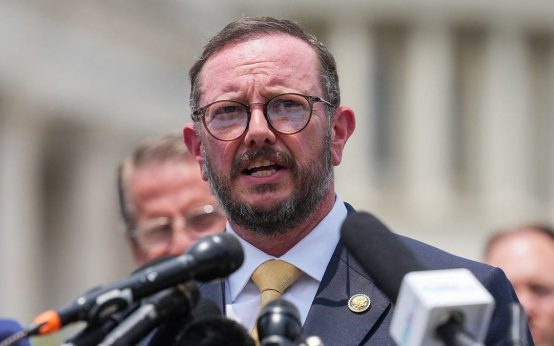 A Critical Perspective on National Spending and Healthcare from Representative Eric Burlison
 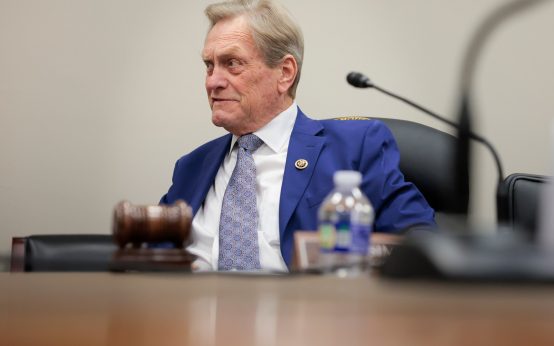 House Republican Criticizes Funding for Trump’s Arch Proposal
  House Bill Proposes Dual Benefits for Combat-Injured Veterans