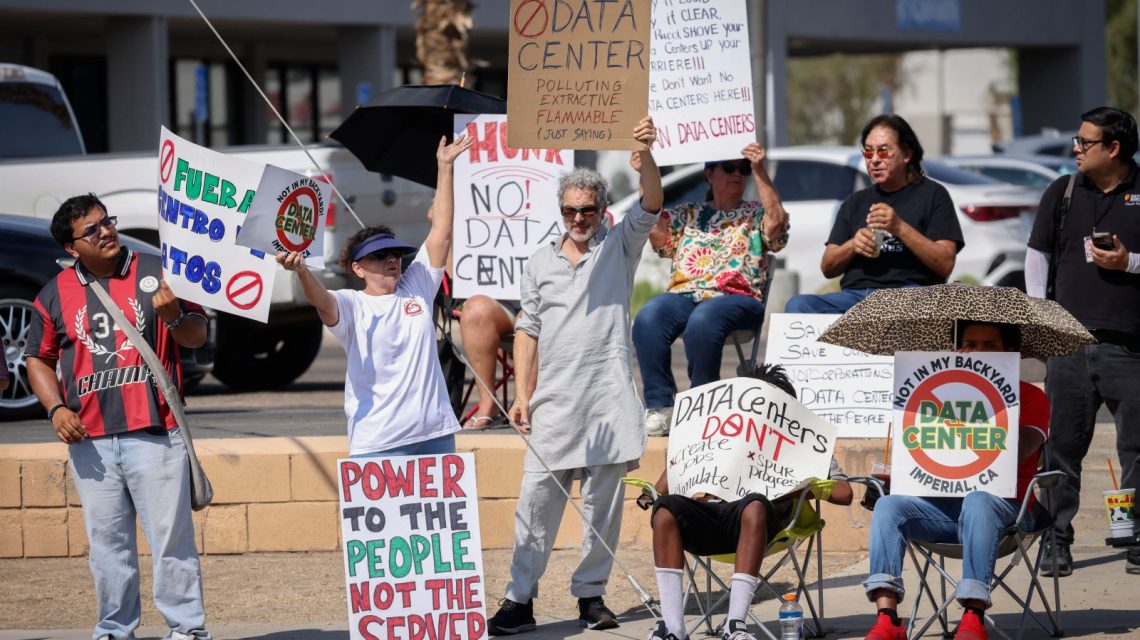
With the recent midterm elections resulting in Democratic control of both chambers of Congress, there is growing attention on how the party could use its new majorities to introduce tougher regulations for the expanding data center industry. Data centers emerged as a significant topic in various races and ballot initiatives nationwide, with many Democrats campaigning on proposals to restrict development or make operators bear more associated costs.
While the development of these sites can create jobs, boost infrastructure investment, and increase tax revenue, there are widespread concerns regarding their impact on electricity bills, water consumption, and neighborhood noise disruption. An analysis by Newsweek found that candidates strongly supporting accelerated data center development were more likely to lose their reelection bids.
‘Americans have expressed clear concerns over data center development,’ Kathryn Kline Tyndall, associate director of the Bipartisan Policy Center’s Energy Program, emphasized.
Data centers featured in 41 ballot measures across ten states during the midterms, including California, Florida, Illinois, and New Jersey. In all but one measure, voters supported restrictions or bans.
John Ashford, CEO of the Hawthorn Group, noted, ‘The data center industry will face a fundamentally new political reality and will need to adapt to work collaboratively with communities and lawmakers.’ He stressed the importance of demonstrating the crucial role data centers play in daily life to these new lawmakers.
Potential Democratic Actions
Ed Tarnowski from the R Street Institute mentioned that while it is early to predict specific congressional actions, existing proposals offer insights. Vermont Senator Bernie Sanders and New York Representative Alexandria Ocasio-Cortez had previously introduced legislation to halt new AI data center constructions, while New Jersey Representative Frank Pallone Jr. supported a moratorium.
Democrats in the Senate blocked the Ratepayer Protection Act, labeling it as ineffectual. Instead, they backed actions like the GRID Savings Act, demanding that data centers using over 150 megawatts cover related grid costs. The bipartisan GRID Act aims to prevent new facilities demanding more than 20 megawatts from grid connection.
Tarnowski highlighted that campaign rhetoric and actions suggest many congressional Democrats may favor federal mandates over voluntary standards.
Lauren Bridges from the University of Virginia suggested Democrats are likely to focus on protecting ratepayers, enhancing environmental safeguards, and increasing transparency in data center approvals. Potential measures could include setting separate rate structures, prohibiting cost-shifting, and imposing direct taxes.
Tim Profeta from Duke University’s Nicholas Institute shared the likelihood of Democratic leaders pausing data center development to evaluate community, environmental, and economic needs. Recent actions by Democratic governors in Virginia and New Jersey have suggested frameworks for stricter oversight and accountability.
‘Infrastructure investment driven by AI represents a significant opportunity. Done right, it can foster clean energy investment and bolster grid technologies,’ Profeta added.
This new generation of leaders will need time to craft and implement policies that seize this opportunity effectively.
 Trump Criticizes Biden on Air Traffic Control Issues
 Iranian Threats Prompt Relocation of U.S. Officials to Military Bases
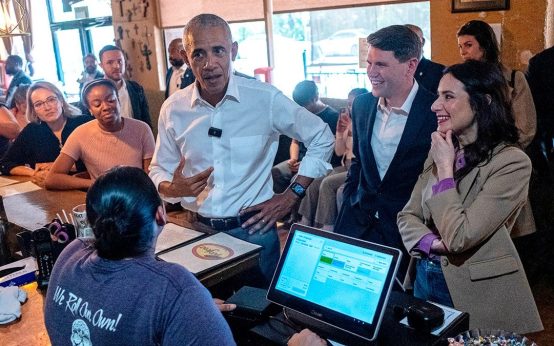 The Changing Political Landscape in Texas
 Tech Founders Who Faced Ouster from Their Own Companies
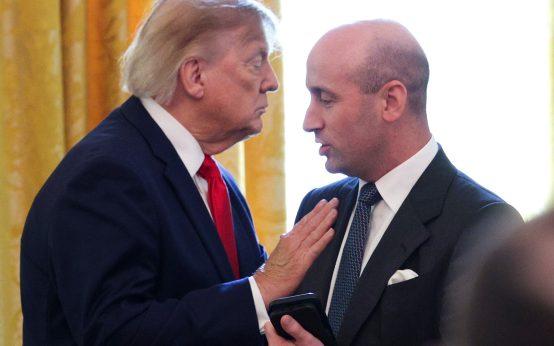 Stephen Miller Implements New Lobbyist Rules in the White House
 New Charges in White House Correspondents’ Dinner Shooting