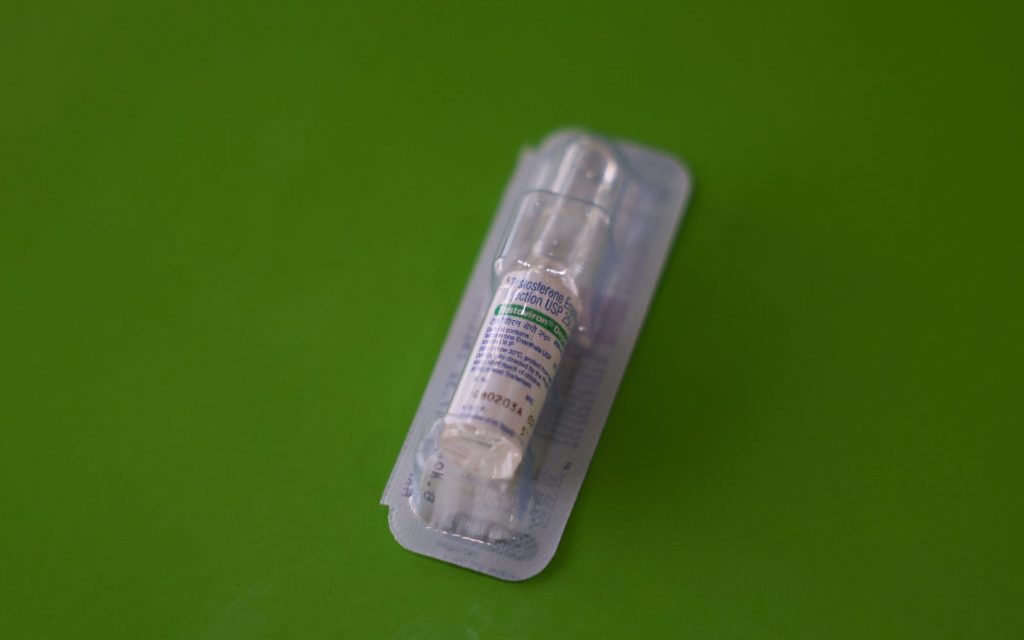
Defense Secretary Pete Hegseth announced plans for annual testosterone level checks for U.S. service members. In a statement, Hegseth advocated for a ‘High-T Department of War’, explaining that service members aged 30 and older would undergo these screenings during their regular health assessments. Younger members have the option to participate voluntarily. If low testosterone is identified, treatment options like testosterone replacement therapy are available by choice.
Hegseth emphasized that this initiative aims to enhance soldiers’ natural capabilities and longevity. However, determining optimal testosterone levels is complex. There is no universal measure for what constitutes a low level, as it depends on several factors, including age and symptoms. Not every low test result necessarily requires therapy, which, while beneficial, bears risks.
The Department of Defense confirmed that screening for testosterone deficiencies will be mandatory for active duty and reserve personnel aged 30 and above, but specific implementation details remain unclear.
Understanding Healthy Testosterone Levels
The amount of testosterone the body needs and produces varies individually. There is no single ‘healthy’ number, but doctors recognize some acceptable ranges. For adult men, normal testosterone levels range from approximately 300 to 1,000 nanograms per deciliter, according to the Endocrine Society. A study of over 9,000 men from the U.S. and Europe supports a similar range of 264 to 916 nanograms per deciliter. In contrast, adult women’s levels range from 15 to 46 nanograms per deciliter, per Cleveland Clinic reports, and can go up to 70 nanograms according to other sources.
Testosterone levels naturally decline with age. Between 30 and 40 years, men’s levels may decrease by about 1% to 2% annually.
When Are Testosterone Levels Considered Too Low?
No definitive low threshold exists for testosterone, but a blood test diagnosis of hypogonadism can occur if symptoms accompany low hormone levels. Symptoms include decreased libido, erectile dysfunction, infertility, and more. Men generally require at least two morning tests showing low levels before diagnosis is confirmed, as levels vary day-to-day.
For women, low testosterone diagnosis relies on symptoms and test results. Symptoms in women include reduced sex drive, fatigue, and depression.
Testosterone Replacement Therapy (TRT)
TRT involves taking external testosterone to replenish the body’s natural levels. Available forms include patches, injections, pellets, and creams. The therapy depends on the patient’s condition, with some requiring daily applications, others needing weekly injections.
Dr. Ravi Iyengar of UC San Diego Health recommends TRT for those with confirmed hormone deficiencies. The primary goal is to encourage natural hormone production first, as taking hormones can lead to complications.
Benefits and Risks of TRT
For those affected by testosterone deficiencies, TRT can help restore energy, libido, metabolic function, and more. But starting TRT comes with significant risks, such as infertility and decreased natural hormone production. Men might also experience aggravated sleep apnea or increased red blood cell production, while women might see increased acne or hair growth.
Women’s Options for Low Testosterone
No FDA-approved TRT exists explicitly for women. Off-label treatments are possible, particularly for menopause-related symptoms. Research supports such treatments, especially for low sex drive improvement.
TRT as Gender-Affirming Care
TRT can also serve as gender-affirming care, aligning with gender identity. It has applications beyond transgender care, historically used for varied medical needs like height adjustment and breast reduction.
University of Massachusetts Professor Theodore Schall suggests that understanding patient perspective is key to determining if a procedure is gender-affirming. Common treatments, including hormone therapy, help individuals align their experiences with their identities.
 Medical Diagnosis Errors: Understanding the Crisis
  The Impact of Arts and Closure on Democracy
  U.S. Ambassador Comments on Iran War Duration Amid Political Concerns
  Lymphatic Drainage and Ice Sculpting: Emerging Wellness Trends
  US-China Relations Under Scrutiny: Expert Warns of Escalating Tensions
  No Timeline for End of Iran Conflict