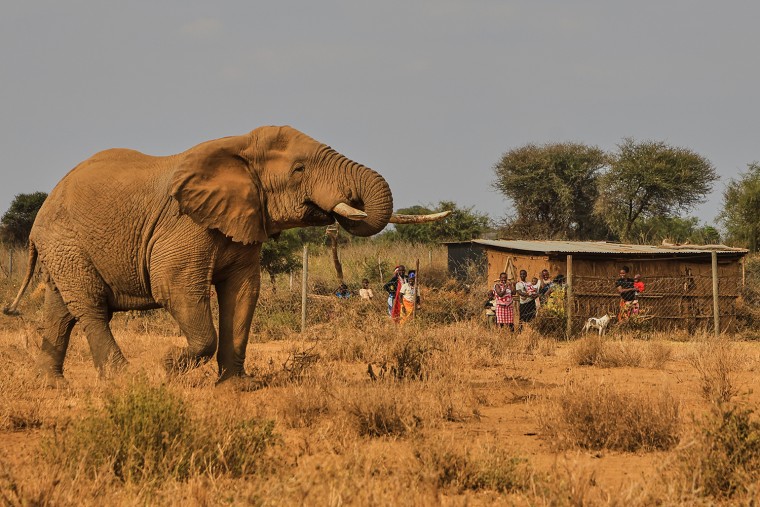
In Kimana, Kenya, 15 elephants have died under suspicious circumstances in Amboseli National Park, raising concerns of cyanide poisoning. The deaths reportedly occurred after the elephants ate tomatoes from nearby farms.
Investigators are examining how cyanide might have entered an ecosystem shared by both wildlife and agriculture. Local farmers dispute the claims linking their produce to the poisoning. This conflict spotlights the increasing tension between expanding agricultural activities and wildlife conservation.
Kenya has worked hard to restore its elephant population, growing it to over 36,000 individuals by reducing poaching and protecting elephants. However, recent events have highlighted the challenges of coexistence between elephants and the farming communities surrounding Amboseli.
Elvis Muchai, a farmer who has lived near Amboseli for two decades, expresses skepticism about the reports. He insists that no one in the farming community would intentionally poison wildlife.
We are used to the animals eating from our farms,says Muchai, noting incidents of crop destruction during dry seasons.
Last month, the Kenya Wildlife Service stated that 15 elephants died within the Amboseli ecosystem over a month. Laboratory tests showed cyanide traces, and postmortem exams revealed the presence of tomatoes in their stomachs. Dr. Isaac Lekolool, head of veterinary services at the wildlife agency, indicated signs of cyanide poisoning, but more tests are needed to understand its source.
Kimana is a productive agricultural area near Amboseli Park where farmers grow tomatoes, onions, and French beans. Farms have inched closer to the park, leading to conflicts with elephants, the second leading cause of deaths after poaching. The Kenya National Elephant Plan reports over 1,160 elephants died from conflicts between 2000 and 2020.
Duncan Juma of Kenya’s wildlife service denies human-wildlife conflict as the cause, affirming community support for the elephants. However, the International Fund for Animal Welfare (IFAW) emphasizes the need to address the root causes of these conflicts.
As people and elephants increasingly share space, protecting wildlife and safeguarding communities’ livelihoods must go hand in hand,stated IFAW.
IFAW also called for investigation into the cyanide poisoning and solutions to protect communities near the park. Ben Wandago, East Africa Director of IFAW, stressed the importance of regulating toxic substances to prevent environmental contamination.
Farmers doubt cyanide came from agricultural products. Muchai insists chemicals used locally are government-regulated, affirming they have never seen or used cyanide. Like many farmers, Muchai has suffered economic losses due to elephants destroying crops.
Rymondy Mrosso, another farmer, questions the link to local pesticides, observing that only elephants were affected, not other animals grazing in the fields.
 Patrick Clancy Shares Insights into Tragic Family Loss
  Midair Altercation on Bangladesh to London Flight
  Revival of Organized Labor in 2026
  EPA Dismantles Greenhouse Gas Rules, Causing Concern
  How Battery Innovations Transform Renewable Energy
  Data Centers Stir Controversy in Texas Amid Growth Boom