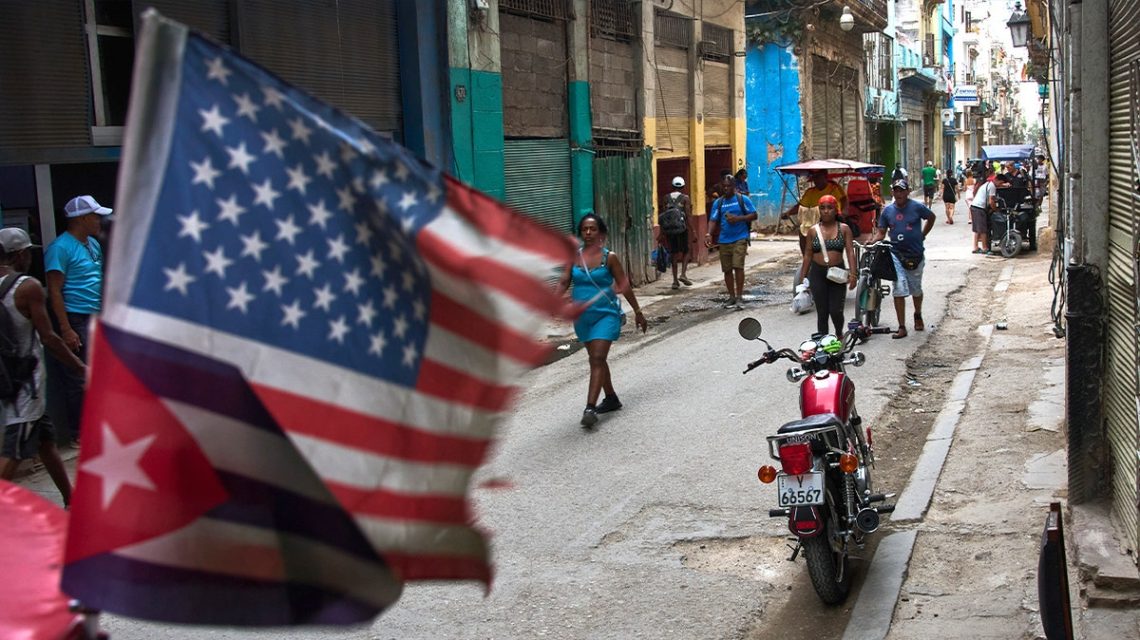
On Monday, an island-wide blackout plunged Cuba into darkness, highlighting the ongoing energy struggles affecting the nation. The outage left roughly 10 million people without power before limited electricity was gradually restored.
The state-run Electric Union in Cuba announced a “total disconnection of the National Electric Power System.” The causes for the disruption are currently under investigation.
Cuba has faced frequent power outages due to chronic fuel shortages and an aging electrical grid. The crisis intensified with additional U.S. sanctions imposed in January. These actions targeted countries supplying oil to Cuba, further straining the island’s power system.
Millions lose power across Cuba as sanctions persist amidst the deepening energy crisis.
During the blackout, public transportation ground to a halt. Authorities canceled tens of thousands of surgeries nationwide. According to The Associated Press, one generating unit resumed operations approximately two hours following the power collapse.
The Electric Union mentioned, “Microsystems are already operational throughout the country to ensure protection for vital services.”
The situation reflects a broader geopolitical struggle. A child was seen walking past solar panels used to charge batteries during the blackout in Havana.
Cuban officials, including the energy minister, accused the U.S. of exacerbating energy issues. Vicente de la O Levy highlighted challenges posed by what he described as an energy blockade. Cuban President Miguel Díaz-Canel condemned U.S. policies, labeling them as “genocidal.” He stated, “While the U.S. attempts to induce a social explosion by blocking fuel access to Cuba, the UNE mobilizes to reverse the SEN outage.”
Earlier this year, the crisis intensified further. A U.S. military operation resulted in the capture of Venezuelan President Nicolás Maduro, halting crucial oil exports to Cuba. The island relies heavily on Venezuelan oil, producing only about 40% of its fuel needs. In March, a Russian tanker delivered about 730,000 barrels of oil, which were depleted by the end of April.
The Cuban government responded to the crisis by implementing scheduled power outages. These disruptions have lasted over 24 consecutive hours in some areas. In early March, a blackout affected Cuba’s western provinces. Another outage in mid-March led to darkness enveloping the entire island.
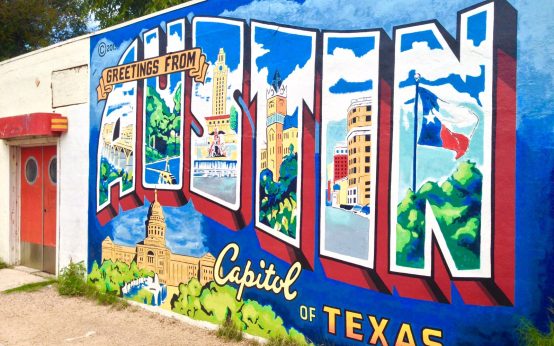 ICE Agent Shoots Civilian in Austin: Investigation Underway
  Sunday Sports Recap and Weekend Adventures
  Fatal Car Crash in Irvine Claims Two Lives, Including Car Show Co-Founder
 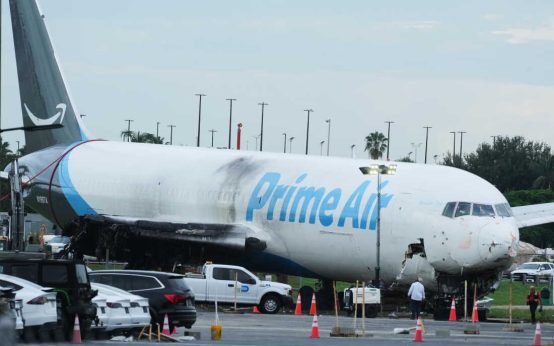 Amazon Suspends Partnership with 21 Air Following Miami Cargo Plane Accident
 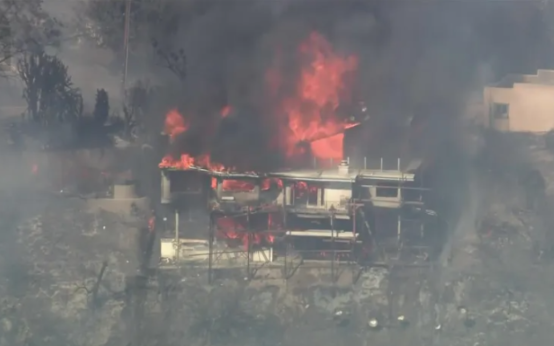 Brush Fire Prompts Evacuations in La Habra Heights
  Lawmakers Challenge NFL Streaming Costs and Scheduling