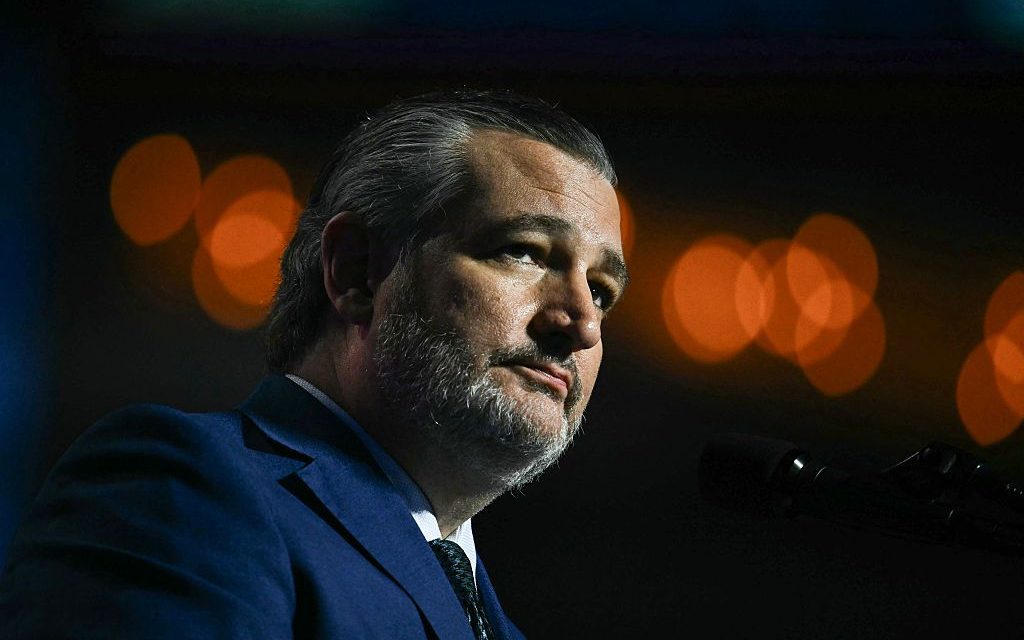
Senator Ted Cruz’s Warnings About James Talarico
Texas Senator Ted Cruz has intensified his critique of Democratic Senate nominee James Talarico, labeling him as a potential far-left senator akin to Bernie Sanders. This comment came during Cruz’s podcast, where he informed his supporters of the possible implications of Talarico’s election. He suggested that if elected, Talarico could follow in the footsteps of Bernie Sanders, who has consistently ranked as the most approved senator by Morning Consult’s national tracking.
Talarico competes against the Texas Republican Attorney General Ken Paxton in the state’s Senate race. The contest has attracted significant attention from voters, national Democrats, and media outlets, serving as a focal point in discussions around media access, federal regulations, and political discourse. Cruz’s assertions add fuel to the ongoing debates surrounding FCC pressure on late-night shows and incidents at GOP conventions.
The Sanders Benchmark in Texas Politics
Bernie Sanders is renowned as America’s most popular senator, often recording approval ratings above 60 percent in surveys. His political journey, marked by activism, two presidential runs, and strong democratic socialist policies, has shaped public perception and influenced the Democratic Party.
Sanders’ agenda includes universal healthcare, tuition-free college, climate action, and expanded labor rights. These positions have contributed to a leftward shift within the party since 2016. Cruz’s strategy in likening Talarico to Sanders informs voters that Talarico embodies a radical progressive approach rather than moderacy.
Cruz paints a picture of a Texas election leading to a senator with Sanders’ ideology but offering decades more impact in national politics. He contrasts Sanders’ lengthy record with Talarico’s youth, emphasizing the potential endurance of ideological influence in American politics.
The Rebranding Theory: Cruz’s Perspective
Cruz perceives Talarico as undergoing a political makeover, possibly altering or reversing previous stances on critical issues. On his podcast, Cruz predicts Talarico’s strategies could further modify public perception.
Alleging that Talarico’s recent interviews reflect political repositioning rather than authentic ideological change, Cruz scrutinizes previous comments related to gender, capitalism, and transgender policy. He mentions Talarico’s views on “six biological sexes” and “God is nonbinary” as evidence of repositioning.
Cruz believes Talarico’s generational identity distinguishes him from older Democrats who may have shifted focus from pandemic-era cultural debates. He asserts that Talarico is committed to these topics and would act accordingly if elected.
Media Challenges and FCC Pressure
The Talarico campaign has encountered unique media challenges, highlighted by late-night host Jimmy Kimmel’s recent announcement. Kimmel stated that his interview with Talarico would not be aired on ABC due to pressure from the Federal Communications Commission over equal-time rules. The network chose to upload the interview online.
Kimmel describes the FCC’s actions as retaliatory, a stance he hasn’t seen in his 20-year career. Earlier this year, CBS lawyer actions led to Talarico’s interview with Stephen Colbert airing only online.
ABC and Disney have taken legal action against the FCC, accusing it of violating the First Amendment and meddling with editorial choices. The FCC refutes these claims.
Implications of Cruz’s Warning
Cruz presents Talarico as a potential prominent progressive with the staying power of Sanders. This narrative elevates the Texas Senate race from a regional contest to a national ideological confrontation.
Texas voters are tasked with considering the long-term effects of electing a senator with the capacity for profound influence on the left. The ongoing trials involving broadcast networks and FCC scrutiny center around this transformative figure within the Texas political sphere. If Talarico succeeds, it could mark a significant shift in American politics.
 The Impact of Arts and Closure on Democracy
 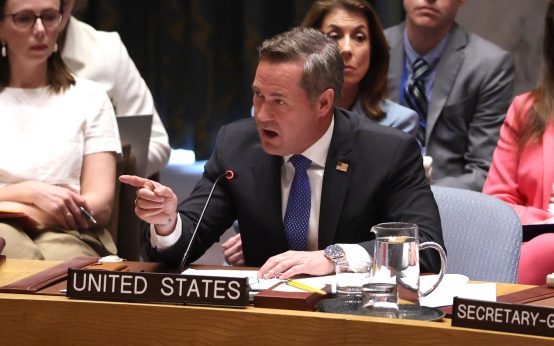 U.S. Ambassador Comments on Iran War Duration Amid Political Concerns
 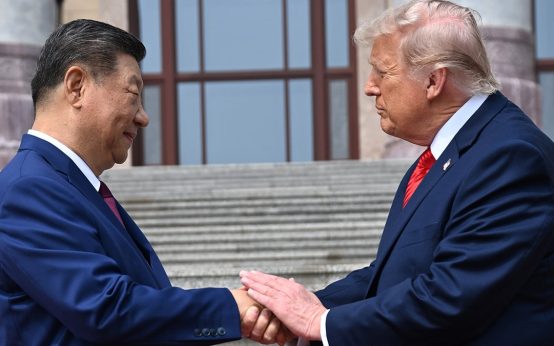 US-China Relations Under Scrutiny: Expert Warns of Escalating Tensions
  No Timeline for End of Iran Conflict
 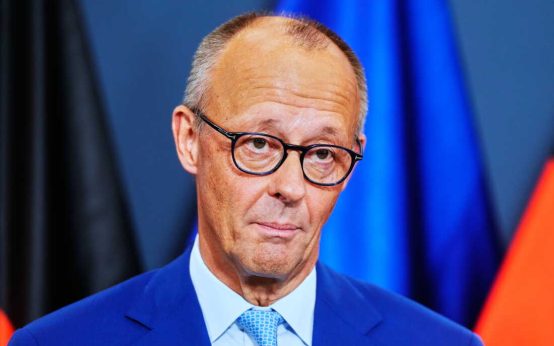 German Chancellor Merz Vows to Pursue Reforms Despite Election Setbacks
 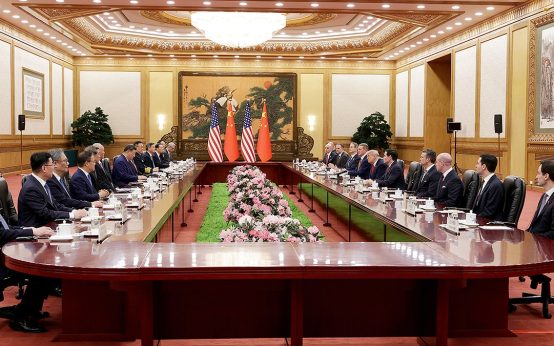 The Technology Rivalry: Trump’s Meeting with Xi and the AI Ecosystem Clash