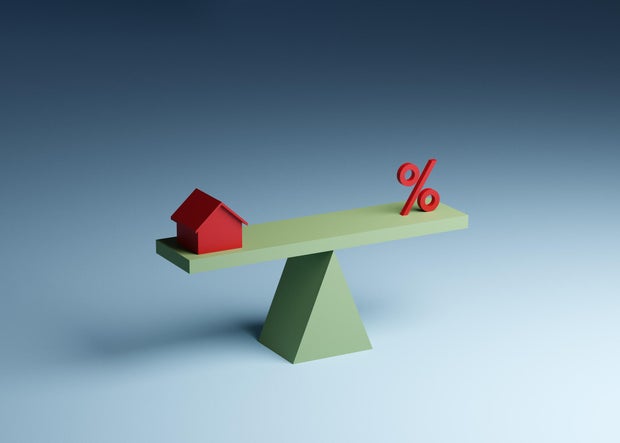
Prospective homebuyers received promising news about inflation recently. After persistent price growth, the latest data indicates easing pressures. The Consumer Price Index (CPI) rose 3.4% annually in July, down from 3.5% in June and 4.2% in May. Core inflation, excluding food and energy prices, also declined from 2.6% in June to 2.5% in July.
Impact on Mortgage Rates
These declines come at a critical time for those planning to buy homes, as mortgage rates remain elevated. The average 30-year fixed rate stands at 6.75%, much higher than the sub-3% rates seen earlier in the decade. The Federal Reserve considers inflation and labor market trends, and each economic report can affect borrowing costs.
The latest inflation decline is relevant for those looking to buy or refinance homes. Understanding how this fits into the broader economic picture helps borrowers anticipate potential changes in mortgage rates. Falling inflation could be a good sign for mortgage rates, but does not guarantee immediate drops. Mortgage rates are tied to multiple economic factors, with inflation being a significant one.
Influence of Inflation on Bonds and Loans
Mortgage rates closely relate to the bond market, particularly the 10-year Treasury yield. High inflation leads investors to desire higher returns on long-term bonds, pushing Treasury yields and mortgage rates up. Conversely, cooling inflation can lower Treasury yields and potentially mortgage rates.
The recent CPI report is potentially positive for mortgage borrowers. The Fed’s actions also influence mortgage rates. The Fed doesn’t set these rates but affects the markets that do. High inflation limits the Fed’s ability to cut its benchmark interest rate. As inflation nears the Fed’s 2% target, policymakers might reduce rates if economic conditions support it.
The Role of the Labor Market
Other indicators also signal possible changes. The latest jobs report showed a cut of 23,000 jobs in July, weaker than anticipated. A weakening labor market and cooling inflation could raise expectations for lower Fed rates. This could lead to mortgage rates falling before the Fed acts.
Despite this, significant mortgage rate drops aren’t certain. Inflation remains above the Fed’s 2% goal. One or two positive reports don’t establish a definitive economic direction. For homebuyers, the July report is part of a larger puzzle. If inflation continues falling and labor markets soften, conditions for lower rates might improve. Future inflation and employment reports, and market reactions, will provide clarity.
Finding the Best Mortgage Rate
With rates above 6%, even small differences can impact monthly payments and borrowing costs. Focus on factors you can control instead of attempting to time the market.
- Shop around with multiple lenders. Rates, fees, and terms can vary. Get quotes from at least three to five lenders.
- Strengthen your borrower profile. Improve your credit score, lower your debt-to-income ratio, and make a larger down payment.
- Consider your loan’s annual percentage rate (APR), not just the advertised rate. This reflects overall borrowing costs.
- Explore different loan types and rates. Government-backed or adjustable-rate loans might offer lower initial rates.
Conclusion
The recent inflation report suggests possible easing price pressures, potentially setting a more favorable environment for mortgage rates. However, rates depend on more than inflation alone. With inflation above target and economic uncertainty high, don’t expect dramatic near-term rate decreases. For those ready to buy a home, it’s wise to compare lenders and strengthen your financial position.
 Mortgage Rates Surge Above 7%
  States Take Action to Mitigate High Fuel Costs Amid Political Promises
  Inland Empire Faces Growing Housing Affordability Issues
  Los Angeles Multifamily Housing Market Challenges and Decline
  Former Chicago Federal Prosecutor Sells Lincoln Park Mansion
  Jevon Carter Sells Chicago Townhome in West Town Neighborhood