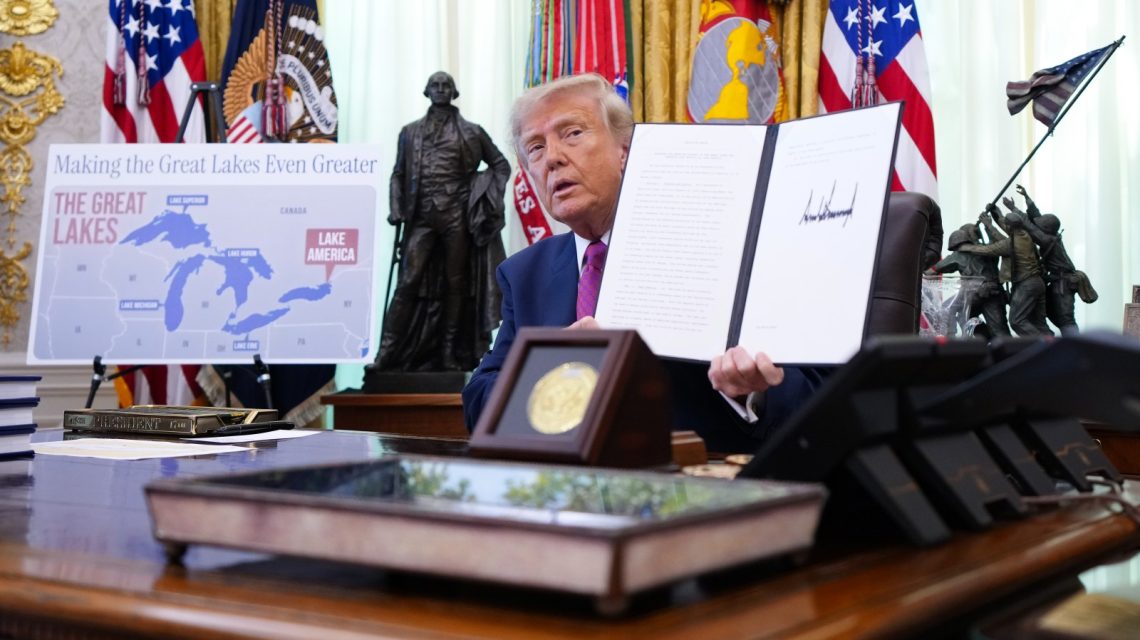
Google Maps has recently faced criticism due to changing the name of Lake Ontario to ‘Lake America’ for users in the United States. This decision has sparked negative feedback across various platforms, including Trustpilot and Google Maps review pages. Multiple users expressed their disapproval in comments under a 9to5Google report regarding this change.
Some of the adverse reactions included users deleting Google Maps or switching to MapQuest. Critics accused Google of providing incorrect information or of succumbing to political pressure from the Trump administration. Google made this change after the administration entered ‘Lake America’ into federal geographic records. Therefore, U.S. users view the new name, while Canadian users see ‘Lake Ontario,’ and users elsewhere might see both names depending on their location.
Switching to Competitors
One Trustpilot reviewer, Dennis Joslyn, stated that ‘Lake America does not exist. The correct name of the lake is Lake Ontario.’ Another user, Susan Buchan, expressed disappointment at what she perceived as Google caving to political pressure. She indicated her intention to explore alternatives to Google products.
Several individuals moved away from Google Maps, opting for competitors like MapQuest. MapQuest rejected the name change, resulting in a notable increase in downloads and usage. Business Insider reported that MapQuest rose to number four among free apps on Apple’s U.S. App Store and topped the charts in Canada.
Intensifying the situation, Trump urged Apple to adopt the same change on its platform. Interior Secretary Doug Burgum confirmed this request. At the time, Apple Maps still displayed Lake Ontario.
Responses from Mapping Companies
On August 27, Trump signed an executive order instructing the Interior Department and U.S. Board on Geographic Names to rename Lake Ontario to ‘Lake America’ in federal records. The order mandated updating the Geographic Names Information System within 30 days and required federal agencies to use the new name in maps, contracts, and communications.
The White House argued the name reflects the lake’s significance to U.S. interests. Trump contended that the U.S. had contributed significantly to Great Lakes conservation amidst a broader trade dispute with Canada. This order affected U.S. federal usage but could not dictate naming conventions for Canadian or international authorities.
Private mapping companies were not obligated to change the name. Google updated its Maps following the change in the federal database, citing a policy of reflecting names from official government sources. The company followed a similar process when the Gulf of Mexico was renamed to the Gulf of America in 2025.
Apple has yet to comment publicly, despite pressure from Trump. However, like Google, Apple adopted the Gulf of America name previously.
Conversely, MapQuest resisted adopting ‘Lake America,’ promoting on social media that they maintained the original name. MapQuest distinguished between federal naming policies and private mapping service choices.
Canada’s Stance on the Renaming
Canadian leaders have firmly opposed Trump’s effort to change the lake’s name, contending that a U.S. executive order cannot redefine a water body shared by two countries. Prime Minister Mark Carney emphasized the historical significance of the Lake Ontario name, dating back over 400 years, predating Canadian Confederation and the U.S. Declaration of Independence. Canada continues to use this name ‘then, now, and always.’
Ontario Premier Doug Ford showed his support with a sign declaring ‘Lake Ontario—Now and Always.’ The opposition also rallied against the renaming, with leader Pierre Poilievre rejecting any unilateral alteration by Trump.
Indigenous leaders were also vocally opposed. J. Conrad Seneca, Seneca Nation President, called for rescinding the order, arguing it attempted to erase cultural heritage. The original name of Lake Ontario derives from a Huron word meaning ‘lake of shining waters,’ and the Wendat term Ontari’io, interpreted as ‘the lake is beautiful, the lake is big.’
The province of Ontario ultimately took its name from the lake.
 The Cost of Challenging Beijing
  Tensions Escalate in Iran Conflict as Global Leaders Weigh Options
  White House Approves F-35 Sales to Saudi Arabia Amidst Regional Tensions
  Inside the Secret Deals Powering the President’s Push to Deport Migrants to Countries Not Their Own
  Navigating the Challenges of Third-Country Deportations
  Midair Altercation on Bangladesh to London Flight