The upcoming internal leadership elections in the House and Senate are set to be pivotal moments in congressional dynamics. Both Democrats and Republicans are preparing to select their leaders, and the anticipated shifts are significant. Yet, not all factions are aligning with the presumed leaders, introducing an element of complexity into this process.
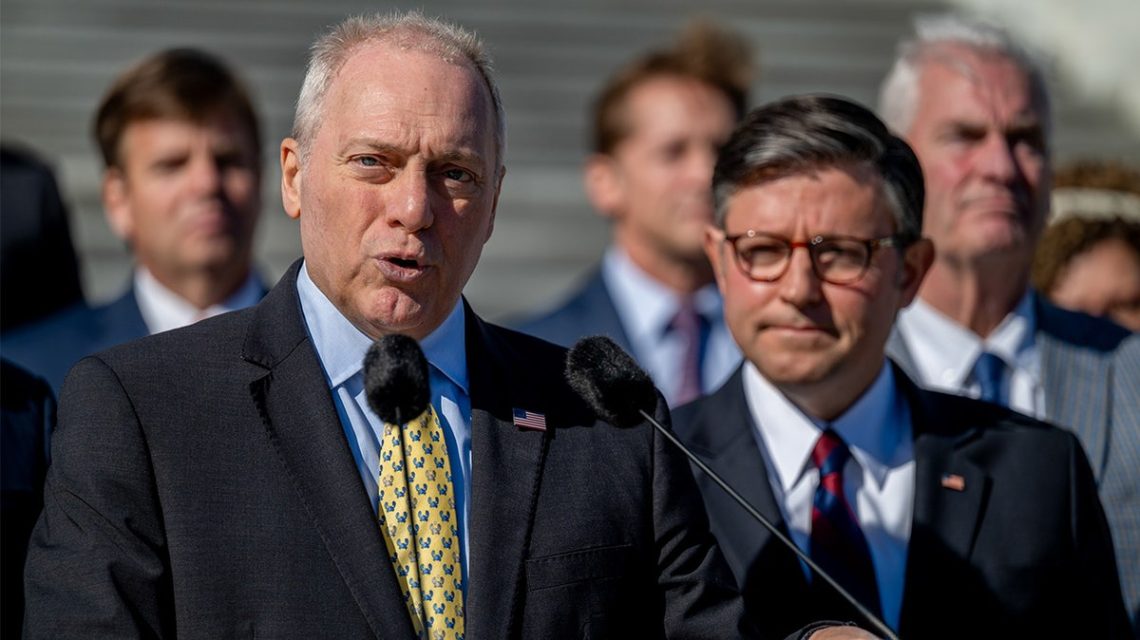
Republicans are initiating their elections, starting in the House and Senate on Tuesday morning. In the House, Minority Leader candidate Steve Scalise from Louisiana is campaigning against Ohio Representative Jim Jordan. Current Speaker Mike Johnson will not continue in a leadership role after the party transitions out of majority power.
With Democrats holding approximately 260 seats and Republicans about 175, the House Minority Leader’s election hinges on obtaining a simple majority. This would require 88 votes. The race between Majority Whip Tom Emmer and Representative August Pfluger for Minority Whip follows the same voting procedure.
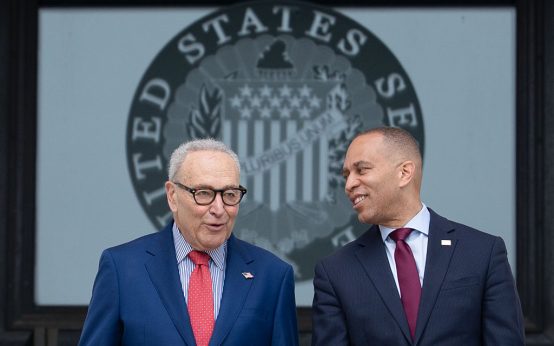
Senate Republicans are also organizing their leadership elections, with John Thune from South Dakota aiming to retain his spot. Meanwhile, Democrats will conduct their House leader elections on Wednesday, with Representative Hakeem Jeffries likely to secure the nomination.
In the Senate, although no official date for Democrat leadership elections is set, speculation surrounds the future roles. While some Democrats desire a challenge to Jeffries, no alternative candidate has openly surfaced, emphasizing the old adage that you cannot defeat someone without an opponent.
As for the Senate, should Democrats gain additional seats, leading figures like Chuck Schumer from New York or Brian Schatz from Hawaii might emerge as key candidates for leadership roles, given Schatz’s interest in succeeding Dick Durbin as Majority Whip.
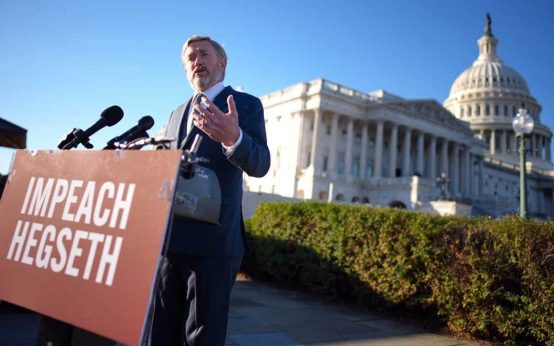
The House is concurrently seeing impeachment talk, spearheaded by Representative Thomas Massie from Kentucky against Pentagon Chief Pete Hegseth. Previous attempts were thwarted by procedural issues, but current momentum suggests a resurgence of these efforts. With some Republicans showing growing concern over Hegseth’s leadership, the impeachment articles might advance, particularly if attendance problems skew the vote in Democrats’ favor.
Should the House adopt the impeachment articles, they would be sent to the Senate, which could choose to dismiss them or proceed to a trial. However, historical patterns, like the quick dismissal of past impeachment articles against Alejandro Mayorkas, suggest a trial might be unlikely, although Senate dynamics could alter this outcome.
Impeachment proceedings and leadership election outcomes will significantly shape the legislative agenda and political climate in the next congressional term.
 Trump Supports Secretary Pete Hegseth Amid Impeachment Push
 Trump Opens the Door to an Immigration Deal
 The Impact of Film Subsidies on Politics and Markets
 U.S. Walkout from U.N. Human Rights Review Sparks Concerns
 Trump Discusses Immigration and Security Policies
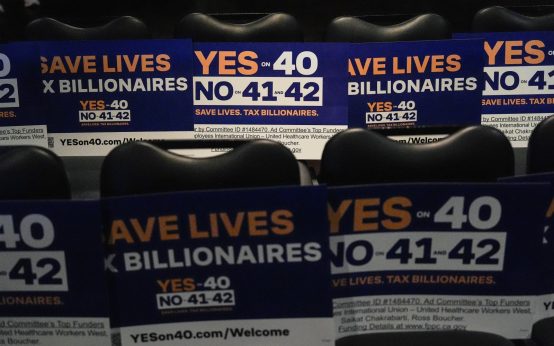 California Rejects Proposition 40 on Billionaire Tax