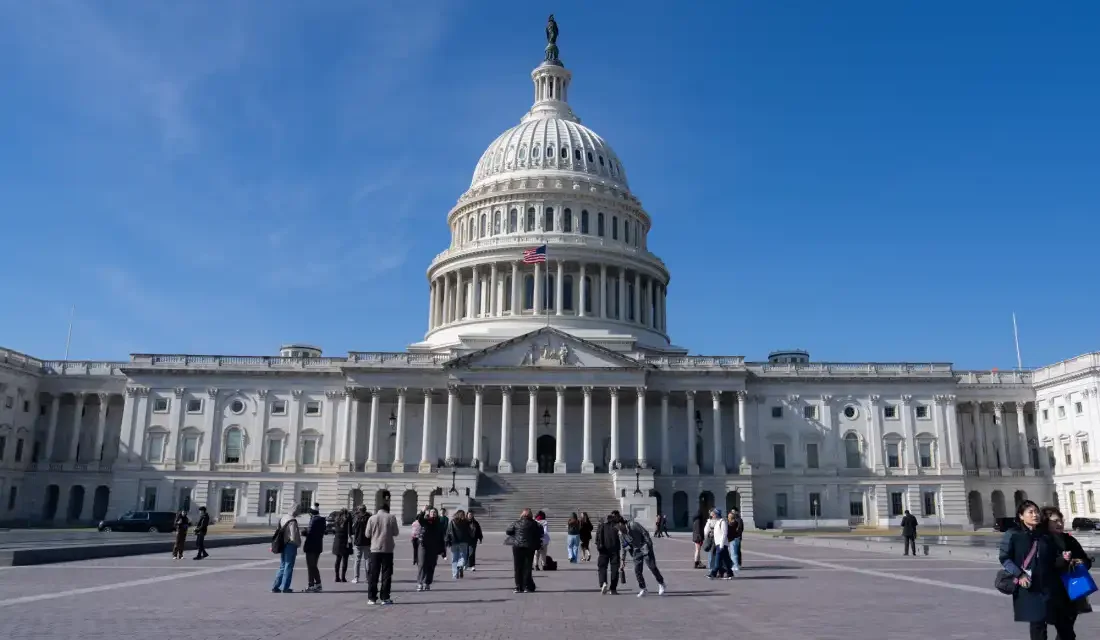
Lawmakers are reconvening in Washington as the 119th Congress approaches its conclusion. With Republicans shortly losing control of both the House and Senate, they have a narrow window to accomplish several tasks.
Main Objective: Government Funding
Preventing a government shutdown tops their agenda. Government funding expires on December 11, following the expiration of a stop-gap measure passed before the recent midterms. A new short-term bill, or continuing resolution, is expected as crafting 12 detailed appropriations bills requires more time and political consensus than is currently available.
National Defense Authorization Act
Congress must also address the National Defense Authorization Act. Historically essential, this year’s bill faces delays partly due to debates surrounding the Iran conflict, a point of contention for many, including President Trump, who credited it as a factor in losing his party’s hold on power.
Impeachment Vote Considerations
A potential vote looms on an impeachment measure against Secretary of Defense Pete Hegseth. Proposed by Thomas Massie, a Republican from Kentucky, the measure accuses the administration of bypassing Congress in military decisions. This reflects broader disenchantment among lawmakers.
Legislation Outlook
With Democrats poised to lead both chambers soon, bipartisan collaboration on significant laws will likely defer until next term. Efforts such as the Protect College Sports Act and energy permitting reforms face delays. Democrats’ slim majorities may further hinder legislative progress following setbacks in midterm elections.
Challenges and Motivations
Despite the challenges, several factors could encourage lawmakers to return to Washington. These include office closures, job transitions, and upcoming events like the White House Christmas party. Such factors might influence reluctant legislators to work towards concluding their responsibilities.
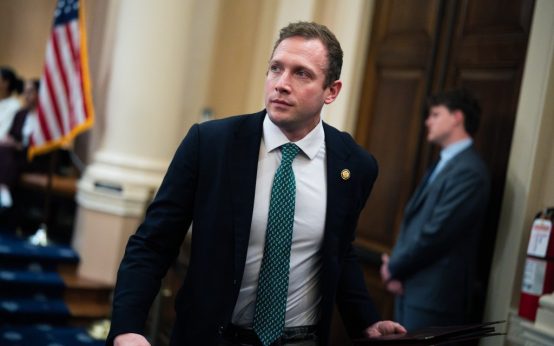 Custody Dispute Involving Rep. Max Miller Delayed
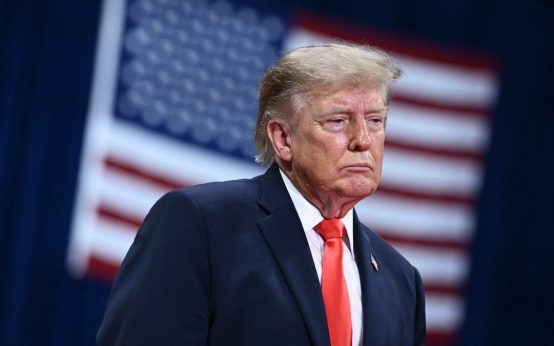 Attorney General Addresses Post-Midterm Democratic Threats
 Senator Elizabeth Warren and the Future of Crypto Regulation
 Bipartisan Opportunities in Foreign Policy
 Political Shifts and Concerns Post-Midterms
 Closing the Foreign Financing Loophole in American Lawsuits