
The White House is actively enhancing protective measures against biological threats, responding to the growing potential of artificial intelligence to facilitate the creation of dangerous pathogens. This initiative comes in light of reduced biodefense personnel during the second Trump administration, impacting expertise in managing biosecurity risks.
Recent staffing cuts have highlighted vulnerabilities in the nation’s preparedness against biological attacks, prompting urgent moves to restore and strengthen defense capabilities. The new safeguards, initially planned, have encountered delays, adding urgency to the efforts aimed at mitigating emerging threats.
Artificial intelligence’s role in the potential development of sophisticated pathogens is a central concern. This advanced technology poses new challenges, where quick and effective responses are crucial to counteract possible biosecurity threats. The administration aims to address these challenges by rebuilding its biodefense strategies and aligning them with modern technological advancements.
 Hospital Ownership Drives Up Costs for Patients
 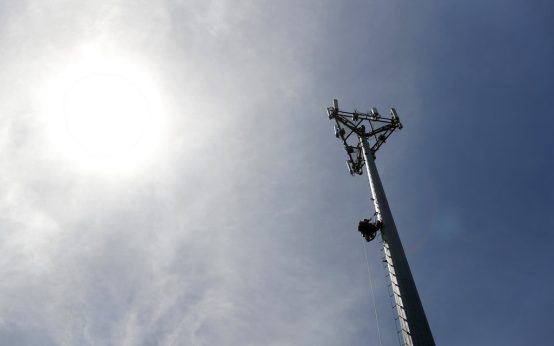 Addressing Rural Connectivity with Satellite Technology
  Debating Data Centers: A Political and Community Issue
 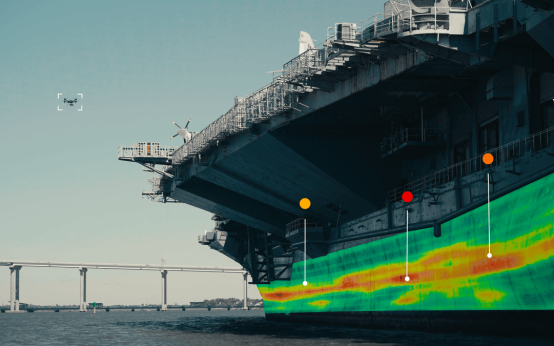 U.S. Navy Expands AI Inspection Contract with Gecko Robotics
  Understanding Lung Cancer Screening
  Maintaining Social Connections in Remote Work