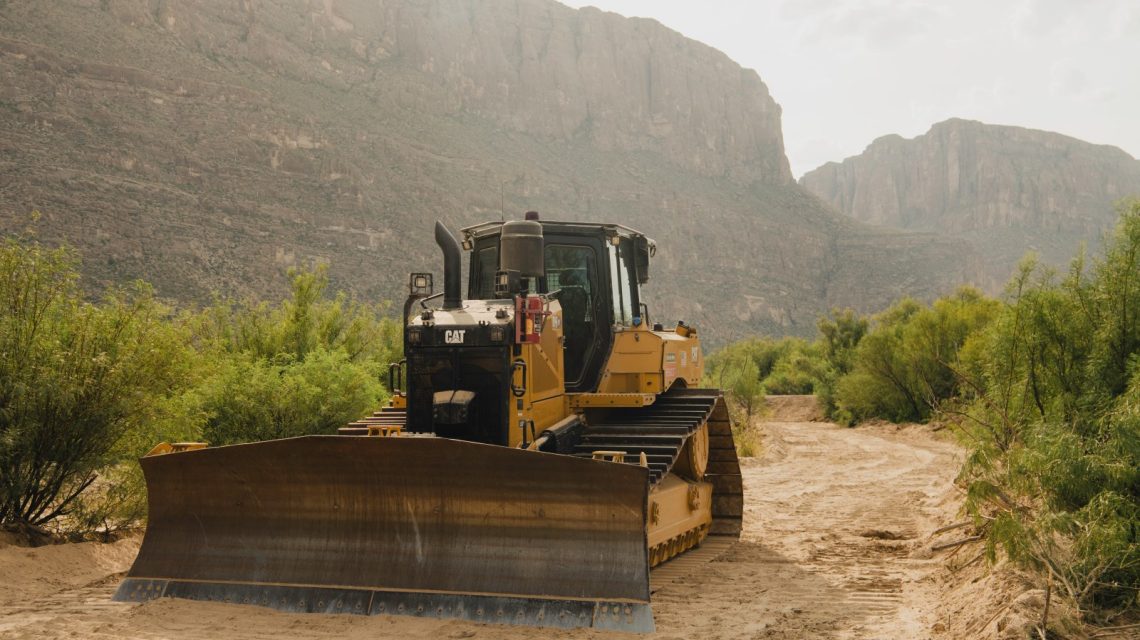
The border wall project under the Trump administration in Texas may necessitate blasting through Mariscal Mountain, part of Big Bend National Park. Federal maps, environmental groups, and House Democrats suggest this could be the case. U.S. Customs and Border Protection (CBP) has proposed a patrol road across the mountain, near Mariscal Canyon and the Rio Grande.
Detailed engineering plans have not been released, but critics argue construction on such a rugged route would require dynamite and substantial bulldozing. Sheriff Thaddeus Cleveland, familiar with the area, questions the need for a road. “People simply don’t cross there,” he explained, highlighting the impracticality due to the terrain.
Environmental groups and local officials, including former National Park Service leaders, oppose the project. They argue it will damage habitats, alter landscapes, and impact the local economy reliant on tourism. Despite a decrease in illegal crossings during Trump’s second term, the administration defends the project as a vital security measure.
“This is the most heinous attack on an American national park in generations,” declared Laiken Jordahl from the Center for Biological Diversity.
The Center for Biological Diversity states that “extensive dynamite blasting” is necessary due to the difficult terrain. A call to halt construction was made by House Democrats, urging detailed plans for the road design and rock management.
This project includes barriers, roads, and surveillance over about 205 miles in the Big Bend Sector. Alignments could change as designs finalize. Mariscal Mountain, a nine-mile limestone ridge, has historical significance due to past mercury mining operations.
Environmental concerns extend to wildlife disruption. Raymond Skiles, a former Big Bend wildlife biologist, cautioned that construction might endanger nesting sites for peregrine falcons, which are sensitive to disturbance.
The Department of Homeland Security and CBP cite nearly 89,000 migrant encounters and drug seizures in the Big Bend Sector from 2021 to 2025 to justify the project. Illegal crossing numbers have dropped significantly; from June 2023 to June 2026, encounters decreased by 85%.
Questions remain about the final route and rock management plans. Lawmakers ask for work to pause until these issues receive clarification.
 Ukraine’s Strategic Challenges in Air Defense
  Migrants Move North Through Mexico as U.S. Immigration Measures Intensify
 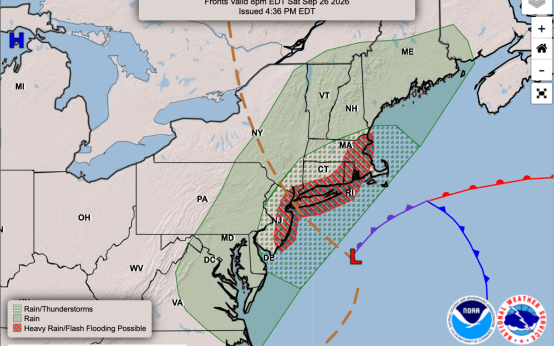 Severe Nor’easter Hits Northeast: Floods, Power Outages, and Travel Disruptions
  Relief through Routine: Spokane Students Find Comfort amid Loss
  Starbucks to Shut Down 250 Stores in North America
 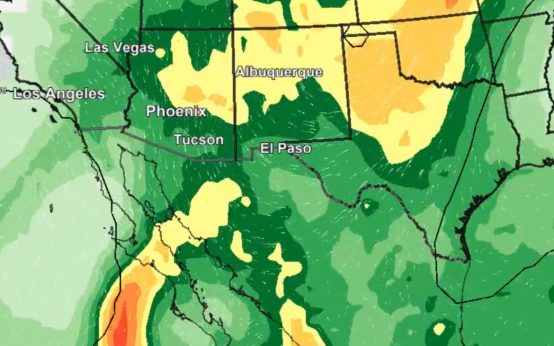 Multiple Storms Threaten U.S. with Flooding and High Winds