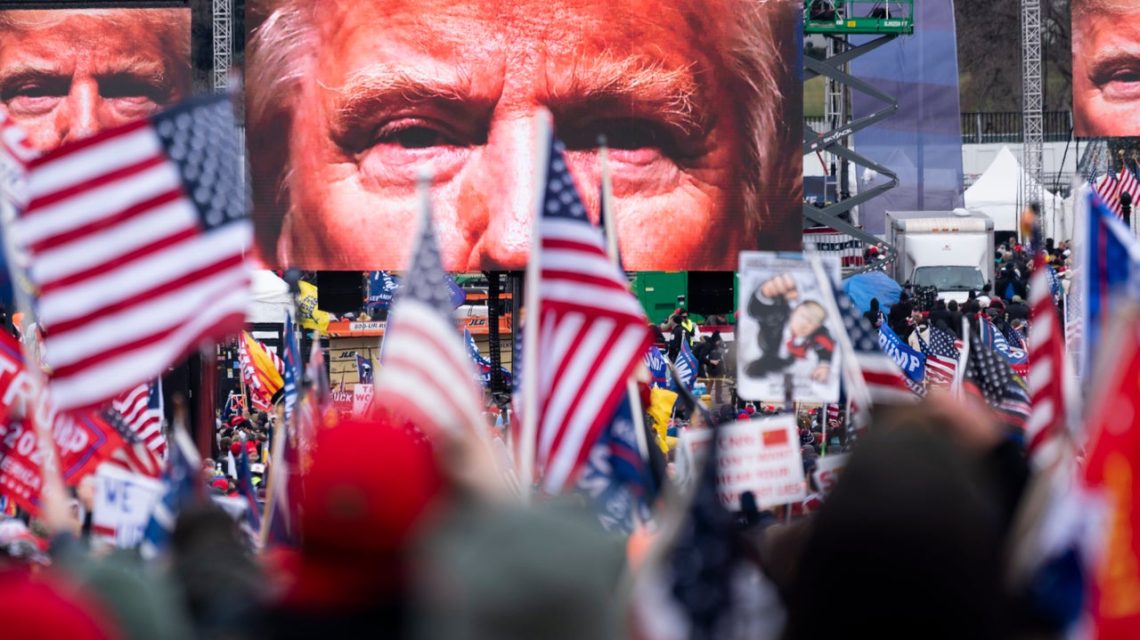
As the results of the midterm elections unfold, a critical question remains largely unanswered: what if Donald Trump refuses to accept the outcome and uses his power to overturn them?
The Constitution’s role in elections is clear, offering no power to the president over their administration. Yet, Trump’s past actions, including his incitement of the Capitol attack, defy legal boundaries.
Authoritarian Tendencies
Ty Cobb, a former lawyer in the White House Counsel’s office, has warned about Trump’s deep authoritarianism. He emphasized Trump’s past willingness to tolerate violence, such as threats against his vice president, showing Trump’s readiness to break the law for power.
Actions and Violations
Since returning to office, Trump has pushed legal limits. He’s deployed federal agents to cities against local wishes, leading to shootings and deaths. He engaged in military actions without congressional approval and ordered extrajudicial killings.
Midterm Election Concerns
Regarding the midterms, Trump has shown little commitment to following legal procedures. Reports suggest he considered illegal tactics to block Democratic congressional control. His comments on accepting election outcomes remain vague.
Trump’s repeated claims of cheating in elections further amplify fears. His administration leaves the definition of such ‘cheating’ unclarified.
“The depths of his authoritarianism cannot be overestimated.” – Ty Cobb
Legal Battles
Democracy advocates stress the importance of legal frameworks. They recount past failures of Trump’s administration to legally impact election outcomes. Norm Eisen, formerly of Obama’s White House, maintains confidence in the legal system’s ability to counter Trump’s threats.
Stephen Richer, an election official in Arizona, expressed concerns over potential disruptions to electoral processes, drawing on past observations of aggressive tactics following Trump’s 2020 loss.
Risks to the System
This history with Trump’s previous administration highlights dangers if election procedures are not respected. A Republican close to the White House noted worry regarding new Trump loyalists filling critical roles, replacing those who once prioritized constitutional integrity over Trump’s demands.
“We don’t want cheating. Do you understand me?” – Donald Trump
Trump’s Election Claims
Trump’s history of disputing election results began with the 2016 Iowa caucuses, claiming cheating without evidence. His incredulity persisted through his presidency, culminating in false claims about the 2020 election.
His baseless allegations of fraud prompt legal scrutiny. While courts have rejected many claims, his rhetoric persists.
Future Implications
Trump continues to insist elections are rigged, affecting public discourse. His claims of winning states he never won reflect deep-rooted strategies of disinformation.
Experts like Richer fear Trump could use presidential authority to challenge election processes if Republicans lose control in Congress.
Legal and Political Responsibilities
Walter Olson and other legal specialists emphasize the need for societal mobilization to uphold rule of law. Political figures like John Thune and Mike Johnson may play pivotal roles in tempering Trump’s actions and protecting democratic processes.
This scenario requires Republican leaders to prioritize national interests over party allegiance in the aftermath of potential electoral disputes.
“The elections are rigged like nobody’s ever seen.” – Donald Trump
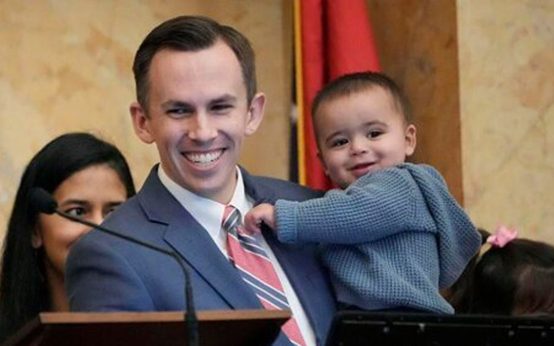 Mississippi State Auditor Shad White Announces Gubernatorial Bid
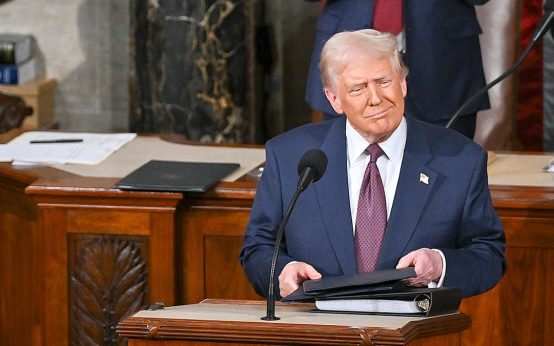 Trump Dismisses Third Impeachment Prospects
 Custody Dispute Involving Rep. Max Miller Delayed
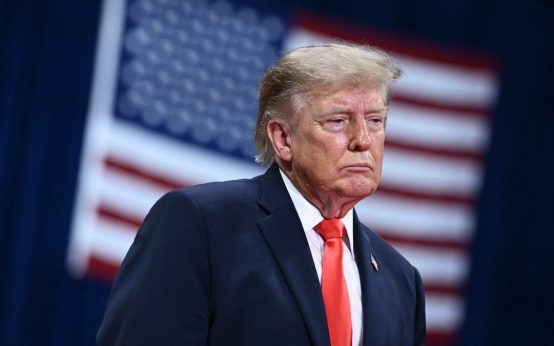 Attorney General Addresses Post-Midterm Democratic Threats
 Senator Elizabeth Warren and the Future of Crypto Regulation
 Bipartisan Opportunities in Foreign Policy