Community Assistance for Former ICE Detainees
After nine months in Immigration and Customs Enforcement (ICE) detention, Jesus Ramirez Ramos found himself in dire need of aid. His clothing was unclean from storage, and ICE lost his cellphone while he was detained in a Michigan jail. Far from his Kansas home, he had no clear path back.
Delight Lester, a 66-year-old advocate from Michigan, was present upon his release. Part of an advocacy group, she helps detainees with commissary accounts, legal aid, and transportation. She met Ramos at the detention center in Baldwin, Michigan, with fresh clothes, snacks, and a phone for the 900-mile journey back home.
“She helped me a ton. I’m very grateful.”
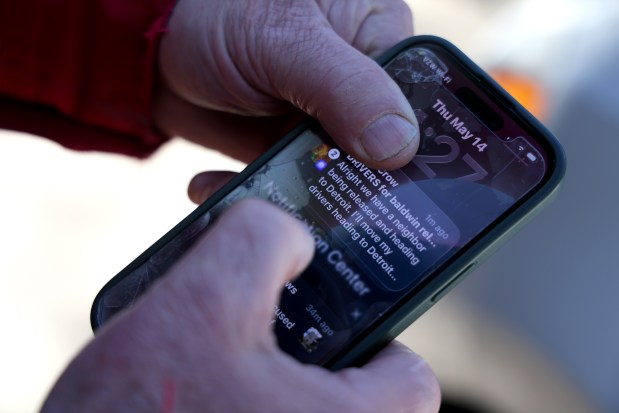
Lester is part of a network across the country assisting ICE detainees. While some immigrants are detained near their communities, others are transported to distant states. From California to Minnesota, volunteers coordinate travel for detainees via encrypted messaging apps and volunteer drivers.
Volunteer Efforts Across States
In Michigan, ‘Hope for Neighbors’ plays a crucial role. Elsewhere, there are similar groups such as Calor Humano in Kentucky and Haven Watch in Minnesota. Volunteers in Illinois, known as the Overground Railroad, organize relay-style rides to bring detainees home.
An example is Ricardo Hernandez-Navarrete. With the help of activists, he returned home from a Kentucky jail to graduate with his classmates in Chicago.
Challenges of ICE Policies
The Trump administration’s aggressive immigration enforcement resulted in numerous federal immigration arrests. Operation Midway Blitz in Chicago led to thousands of deportations, often affecting noncitizens without criminal records.
New policies aimed to detain immigrants indefinitely, drawing legal challenges and criticism. Legal petitions are filed to release detainees, but those released often find themselves far from home, without resources.
Humanitarian Networks Respond
Advocacy groups like ‘Hope for Neighbors’ focus on assisting detainees. The organization, initiated by Pastor Dale Dalman and reinforced by social platforms, now involves 250 volunteers. They provide supplies and legal support, highlighting changes in immigration law.
Their work includes arranging transport. Common routes cover Baldwin to Grand Rapids, extending further if needed, with funding for bus tickets beyond that.
The movement is inspired by faith for many, like Dalman and Lester’s family. Lillian Khatib, Lester’s daughter, coordinates volunteers, bridging her social work practice with this humanitarian effort.
The National Scope of Activism
Volunteers like Will Mendoza in Kentucky stepped up when community calls emerged for detainee transportation. Despite challenges such as bureaucracy and limited resources, volunteers adjust to unpredictable situations aiding detainees.
In places like Minnesota’s Whipple federal building, Haven Watch volunteers provide essential support with phones and comfort items. Another instance is Indiana AID, started in 2019, providing virtual support and entertainment for detainees.
On the East Coast, Delaney Hall attracts volunteers who aid detainees with essentials and transportation. Activists like Stephanie Campos and Kathy O’Leary coordinate these efforts.
Personal Stories of Impact
In Illinois, Rebecca De La Luz and other activists drive detainees home, navigating long distances and complex logistics. Her involvement includes assisting families, arranging legal aid, and delivering news of release to families eagerly awaiting their loved ones.
A memorable case is Luis Peña Martinez returning home to see his family after detention. Each welcoming embrace underscores the impact of volunteers on individuals and families.
 Fatal Car Crash in Grand Rapids Involving ICE Agents
  Orland Park Plans Traffic Enforcement Measures
  Congressional Hearing Addresses Fatal Shootings Involving Federal Agents
  Life Through Cancer: A Family’s Journey of Love and Resilience
  Texas Man Arrested in Shooting of 5-Year-Old Girl
  Star Meat Delivery Inc. Recalls Over 167,000 Pounds of Meat