When you post an article about college football, reading the comments can be predictable. Whether the piece discusses topics like Clemson’s struggles under Dabo Swinney or competition within the Big 12, reader reactions tend to focus on changes in the sport.
Comments often mention that NIL (Name, Image, Likeness) deals have disrupted college football. They suggest the sport has changed for the worse. While you admire college football, these developments have made following it more challenging. Yet you still enjoy watching games every Saturday.
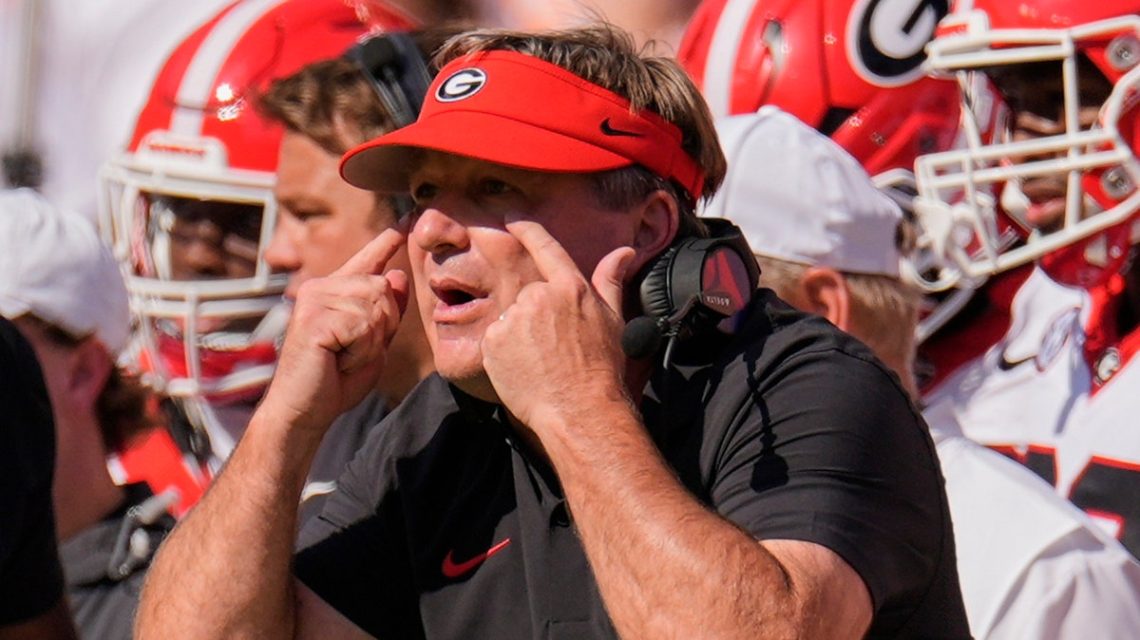
Recently, a new issue emerged that might align with critical opinions. The Georgia Bulldogs played a game, winning easily against their opponents. The details of the opponent aren’t crucial. What caught attention was the aftermath of the game.
The Georgia football team’s official account posted a teaser for a highlight film of the game. However, viewing the full video requires a $20 fee. This fee isn’t collected by the UGA athletic department but through a third-party site called Glory Glory.
Glory Glory positions itself as a platform for fans to access exclusive content while supporting players’ NIL funds. Basically, fans pay for team-related content and access in exchange for contributing to players’ earnings.
Fan reaction to this paywall has been largely negative. Comments express dissatisfaction, questioning where such practices will end.
This move is part of a broader trend. Revenue sharing, NIL collectives, and additional fees have become common. Schools like Tennessee even charge “talent fees” on season tickets directed at NIL.
Despite these issues, millionaire and billionaire boosters continue to play roles in NIL funding. This evolution in college sports has prompted discussions at governmental levels to “save college sports.”
Your love for college football is deeply ingrained, yet many fans are becoming disillusioned. Initiatives like Georgia’s paywall are contributing to this sentiment. Concerns grow as the sport feels increasingly commercialized and departing from its roots.
The fading enthusiasm resembles a ‘death by a thousand cuts’ scenario where cumulative changes cause significant harm, and action may be needed to preserve the sport’s essence.
 Saints’ Tyler Shough Leads Team to Win Amid Controversial Call
  NFL Week 2: Key Insights From Each Game
  Jets Coach’s Clock Management Sparks Debate
  Chicago Bears Struggle After Caleb Williams’ Injury
  Jayden Daniels Suffers Elbow Injury; Marcus Mariota Set to Start
  Significant Events in Chicago History on September 21