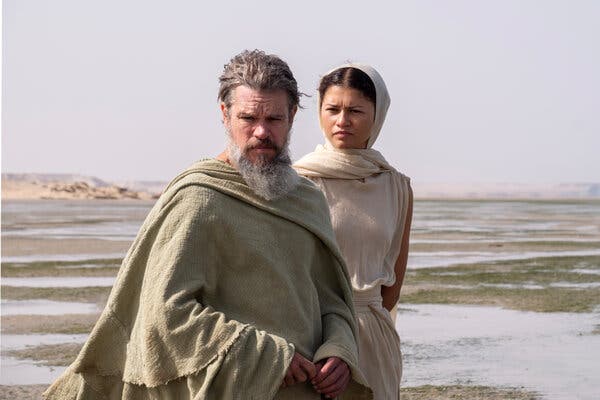
Christopher Nolan shines as a director by bridging the gap between art films and blockbusters. His latest achievement, ‘The Odyssey’, exemplifies his mastery. Throughout his career, Nolan has expertly handled expansive narratives, especially those centered on men’s struggles and warfare. His characters grapple with the boundaries of human potential, much as he challenges filmmaking’s possibilities. A line from his 2006 film ‘The Prestige’ suggests this duality, emphasizing ordinary elements achieving extraordinary feats, akin to Nolan’s cinematic philosophy.
Nolan’s passion for cinema is palpable throughout his body of work; it electrifies and inspires both his films and their audience. That energy drives his adaptation of ‘The Odyssey’, infusing it with thematic depth, formal innovation, and enjoyable thrills. Nolan excels in merging art and big-picture entertainment, consistently engaging viewers with this blend.
It was perhaps only a matter of time before Nolan tackled ‘The Odyssey’, a cornerstone of Western literature with a story rich in complexity and adventure. The original poem attributed to Homer spans 12,109 lines of nonlinear storytelling filled with gods, humans, monsters, and ritualistic themes. Its influence pervades modern storytelling, as seen in characters like Luke Skywalker and WALL-E.
This film is notable as the first to be entirely shot in IMAX. It is a unique studio project, blending a star-studded cast with a 3,000-year-old story to create a polished, intelligent, and nostalgic film. At its core is Odysseus, portrayed by Matt Damon, as a cunning yet relatable hero. Zendaya stars as Athena, enhancing the ensemble cast with her presence.
In Nolan’s retelling, Odysseus is missing for twenty years, cast adrift post-Trojan War. His absence causes turmoil for his wife, Penelope (Anne Hathaway), and their son, Telemachus (Tom Holland). Nolan’s adaptation emphasizes Odysseus’s enchanted journeys more than the poem, yet he persistently returns to the familial tribulations left in his wake. This approach highlights the overlooked emotional hardships on the home front, often sidelined in tales dominated by male protagonists.
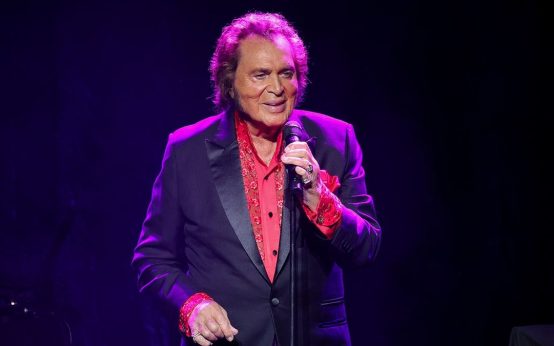 Engelbert Humperdinck Reflects on Life-Saving Shoelace During Army Service
 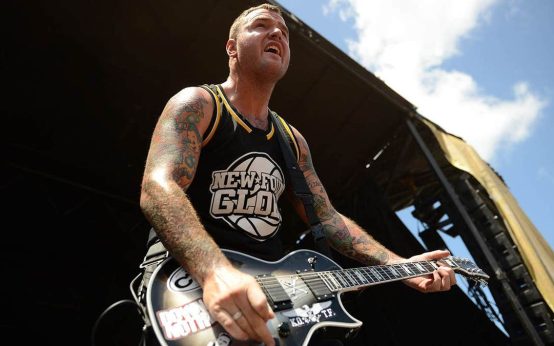 Chad Gilbert of New Found Glory Dies at 45
 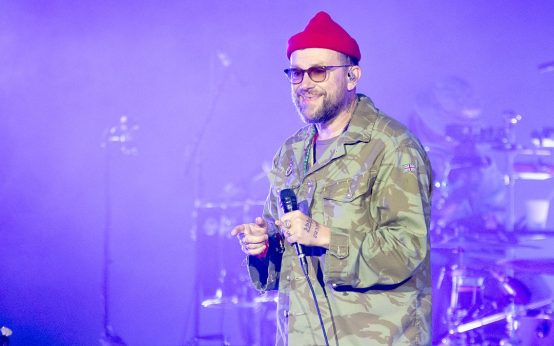 Gorillaz and Macklemore Respond to Controversy Over Israel-Palestine Statements
  Jack Osbourne Discusses Parenting Without a Nanny and Family Dynamics
  Frankie Muniz Reflects on Personal Challenges Amid Divorce
  Dakota Johnson Reflects on Career and Future Plans